


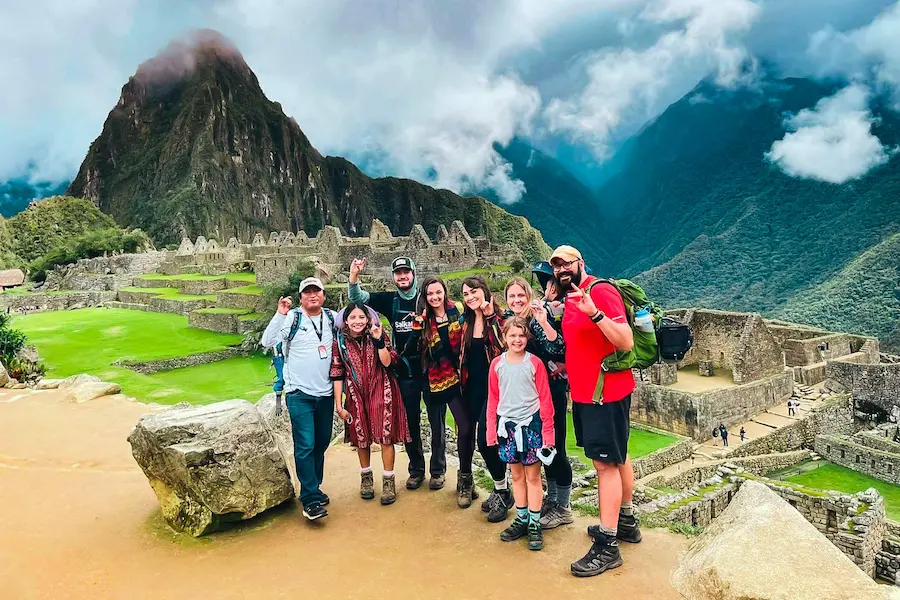
Family Vacations can become some of the most memorable travel experiences when the itinerary gives everyone something to enjoy. Peru offers a combination of ancient cultures, diverse landscapes, local traditions, wildlife, and outdoor adventures that can make a trip interesting for both children and adults.
Traveling as a family is not simply about choosing attractions that are suitable for children. It is about creating a journey where different generations can participate, learn, explore, and enjoy time together without making every day feel rushed.
From discovering ancient civilizations to tasting local dishes, seeing wildlife, exploring colorful towns, and spending time in nature, Peru offers many opportunities to turn a family trip into a shared experience rather than a simple list of places to visit.
The best family itineraries also leave room for flexibility. Combining active excursions with slower experiences allows everyone to enjoy the destination at their own pace while still making the most of the journey.
You might be interested in reading: Peruvian Turron: Peru’s Traditional Sweet
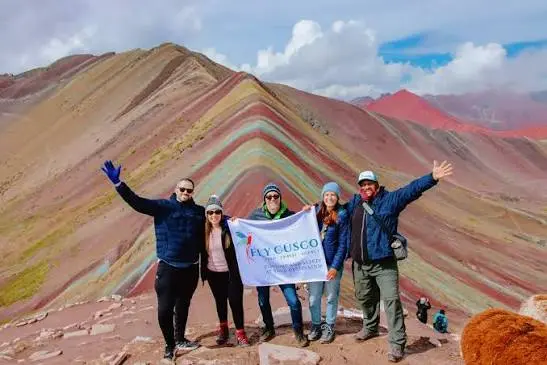
What Makes Peru Interesting for Family Travel
Peru offers a wide variety of experiences within one country. Families can move from historic cities to mountain landscapes, archaeological sites, rural communities, and tropical environments without following the same type of activity throughout the entire trip.
This variety makes it easier to create an itinerary that considers the different interests and ages within a family.
History That Children Can Experience
Ancient history can become much more engaging when children can see it rather than simply read about it.
Walking through archaeological sites, seeing ancient stonework, and hearing the stories behind important places can help younger travelers connect with Peru’s past in a more tangible way.
Nature in Different Environments
Peru’s landscapes change considerably from one region to another. Families can experience mountains, valleys, forests, rivers, and other natural environments during the same vacation.
This variety can make the journey itself part of the experience, especially for children who enjoy observing animals, landscapes, and changes in scenery.
Local Culture Through Everyday Experiences
Cultural experiences do not always need to involve formal tours or museums. Visiting a local market, trying regional food, meeting artisans, or seeing traditional crafts can introduce families to everyday aspects of Peruvian life.
These smaller interactions can often become some of the most memorable moments of a trip.
Experiences Families Can Enjoy Together
A successful family itinerary usually combines different types of activities. Instead of filling every day with sightseeing, families can choose experiences that encourage participation and give everyone an opportunity to enjoy the destination.
Explore Archaeological Sites
Visiting ancient sites allows families to combine travel with history. Children can see impressive structures, learn how different civilizations lived, and hear stories that give context to the places they are exploring.
Choosing sites with interesting landscapes or interactive elements can make these visits even more engaging for younger travelers.
Discover Local Food
Food is another simple way to experience Peru together. Families can try traditional dishes, visit markets, sample regional snacks, or participate in a cooking experience.
Trying something new together can become part of the story of the trip, especially when children have the opportunity to see unfamiliar ingredients or learn how a local dish is prepared.
Spend Time in Nature
Outdoor experiences can give families a break from busy city itineraries. Depending on the destination, this can include easy walks, wildlife observation, scenic viewpoints, or time near rivers and natural landscapes.
The activity should match the family’s interests and physical comfort rather than simply being chosen because it is popular.
Meet Local Communities
Community-based experiences can introduce travelers to traditions, crafts, food, and ways of life that may be very different from their own.
For children, these encounters can provide a more personal understanding of the country and help them see travel as an opportunity to connect with people rather than only visit places.
How to Build a Family-Friendly Peru Itinerary
Planning a family trip requires more than deciding which destinations to visit. The order of activities, travel time, and amount of free time can have a major impact on the overall experience.
A well-organized itinerary should leave enough room for unexpected moments while still covering the places the family is most interested in seeing.
Start With Shared Interests
Before choosing every activity, consider what everyone in the family enjoys.
Some travelers may prefer history and culture, while others may be more interested in wildlife, food, or outdoor adventures. Finding experiences that combine several interests can help prevent the itinerary from feeling designed for only one person.
Balance Different Types of Days
A family vacation does not need to be active every day.
After a long excursion, a slower day can give everyone time to rest, explore independently, or simply enjoy the surroundings. This balance can be especially useful when traveling with younger children.
Leave Space Between Activities
One of the easiest ways to make a family itinerary stressful is to schedule too many activities close together.
Allowing extra time between transportation, meals, visits, and excursions gives families more flexibility and reduces the pressure of constantly watching the clock.
Destinations That Can Be Combined on a Family Trip
Peru makes it possible to combine destinations with very different environments and experiences. The right combination will depend on the family’s interests, available time, and preferred travel pace.
Lima for Food and Coastal Experiences
Lima can be a useful starting point for a family trip because it introduces travelers to Peruvian food and urban culture.
Families can explore different neighborhoods, visit markets, enjoy local restaurants, and spend time along the coast before continuing to another region.
Cusco for History and Culture
Cusco offers opportunities to explore Peru’s Inca heritage while experiencing the city’s contemporary culture.
Its historic streets, archaeological sites, markets, and surrounding landscapes can provide several types of experiences without requiring families to spend every day doing the same thing.
The Sacred Valley for a Slower Pace
The Sacred Valley combines mountain scenery, archaeological sites, traditional communities, and agricultural landscapes.
For families, it can provide a change of pace from city exploration while still offering plenty of opportunities to learn about Andean culture.
The Amazon for Wildlife and Nature
For families interested in wildlife, the Peruvian Amazon can add a completely different dimension to the trip.
Boat excursions, forest walks, wildlife observation, and time in nature allow children and adults to experience an environment very different from the Andes and coastal regions.
Choosing Activities for Different Ages
Families rarely travel with everyone having exactly the same interests or energy levels. Considering age and individual preferences before booking activities can make the experience much more enjoyable.
Traveling With Young Children
Younger children often benefit from shorter activities, frequent breaks, and experiences that allow them to observe or participate.
Animals, markets, food experiences, easy walks, and interactive cultural activities can often be easier to enjoy than long days filled with transportation and sightseeing.
Traveling With Older Children
Older children can usually participate in a wider range of activities. Archaeological sites, outdoor excursions, cultural experiences, and wildlife activities can give them opportunities to explore while also learning about Peru.
Giving them some choice when planning the itinerary can also make them feel more involved in the trip.
Traveling With Teenagers
Teenagers may enjoy experiences that provide more independence, adventure, or opportunities to take photographs and explore new environments.
Depending on their interests, activities involving hiking, wildlife, local food, cultural experiences, or outdoor exploration can make the trip more engaging.
Making Family Vacations More Meaningful
The most memorable family trips are not necessarily the ones with the largest number of activities. Often, they are the trips where everyone has time to share experiences and remember them together.
Turn Food Into a Shared Experience
Instead of treating meals simply as breaks between activities, families can use food as another way to explore Peru.
Trying a new dish, visiting a local market, or taking part in a cooking activity can create moments that everyone can participate in regardless of age.
Encourage Children to Explore
Children can become more interested in a destination when they are given small opportunities to observe and ask questions.
Encouraging them to look for wildlife, identify local foods, photograph interesting details, or remember stories about the places they visit can turn sightseeing into a more active experience.
Create Time for Unplanned Moments
Not every part of a family vacation needs to be scheduled.
Leaving some free time allows families to stop at an interesting place, spend longer at a favorite attraction, or simply enjoy a meal without rushing to the next activity.
Practical Considerations for Family Travel in Peru
A little preparation can make a significant difference when traveling with children. Families should consider transportation, altitude, weather, walking distances, and the overall rhythm of their itinerary before confirming their plans.
Consider Travel Times
Long transportation days can be tiring, particularly for younger travelers.
When possible, organizing the route logically and avoiding unnecessary backtracking can make the journey more comfortable.
Prepare for Different Weather
Peru has several geographic regions and climates. Families traveling between destinations may experience significant changes in temperature and weather.
Packing versatile clothing and checking conditions before each excursion can help everyone remain comfortable.
Take Altitude Into Account
Some of Peru’s most popular destinations are located at significant elevations. Families should consider this when planning their itinerary and avoid making the first days unnecessarily demanding.
Allowing time to adjust before strenuous activities can make the trip easier for everyone.
Keep the Itinerary Flexible
Even a carefully planned family trip may require adjustments. Children can become tired, weather can change, or a particular activity may take longer than expected.
A flexible itinerary gives families the opportunity to adapt without turning an unexpected change into a stressful situation.
Family Vacations and Responsible Travel
Traveling as a family can also be an opportunity to teach children how to interact respectfully with different cultures and environments.
Small decisions during a trip can contribute to a more responsible experience.
Respect Local Communities
When visiting communities or cultural sites, families should follow local rules and traditions.
Simple actions such as asking before taking photographs, respecting private spaces, and listening to local guides can help create more respectful interactions.
Protect Natural Spaces
Children can also become involved in responsible travel by learning not to leave waste behind, avoiding disturbance of wildlife, and following marked paths during outdoor activities.
These habits help protect the places that make Peru special for future travelers.
Support Local Businesses
Choosing local restaurants, artisans, guides, and family-owned businesses can help tourism contribute directly to local communities.
It can also provide families with more authentic opportunities to interact with the destination.
Frequently Asked Questions About Family Vacations
Planning a family trip often involves questions about destinations, activities, travel times, and how to keep everyone comfortable. These are some of the most common considerations when organizing a family vacation in Peru.
Is Peru a good destination for family vacations?
Peru offers a wide range of experiences that can work for different ages, including cultural visits, archaeological sites, food experiences, nature excursions, and wildlife activities. Families can create an itinerary based on their children’s ages and shared interests.
What are the best activities for families in Peru?
Activities can include visiting archaeological sites, exploring local markets, trying Peruvian food, experiencing traditional crafts, observing wildlife, and enjoying outdoor excursions. The best options depend on the family’s ages, interests, and preferred pace.
How many days are ideal for family vacations in Peru?
The ideal length depends on how many regions a family wants to visit. A shorter trip can focus on one area, while a longer vacation allows families to combine destinations such as Lima, Cusco, the Sacred Valley, Machu Picchu, or the Amazon.
Is Peru suitable for traveling with young children?
Yes. Families with young children can visit Peru by choosing activities appropriate for their age and allowing enough time for breaks. Shorter excursions, interactive experiences, and a flexible schedule can make the trip more comfortable.
How can families avoid a rushed itinerary?
The easiest approach is to prioritize a few meaningful experiences instead of trying to visit every attraction. Leaving free time between activities and balancing active days with slower ones can make the vacation more enjoyable.
Should families book tours in advance?
For popular destinations and experiences, booking ahead can help families organize transportation, schedules, and availability. It can also make it easier to choose activities that match the family’s preferred pace and interests.
Creating Memories Beyond the Itinerary
A family vacation is more than a collection of destinations. The moments shared between activities, the foods tried for the first time, the unexpected discoveries, and the stories that families bring home can become the most valuable part of the journey.
Peru offers the variety to create those moments in many different ways. Families can combine history, nature, food, culture, and adventure while building an itinerary that works for everyone.
With thoughtful planning and enough flexibility, Family Vacations in Peru can become an opportunity for every generation to experience something new while creating memories they can share long after the trip ends.
