


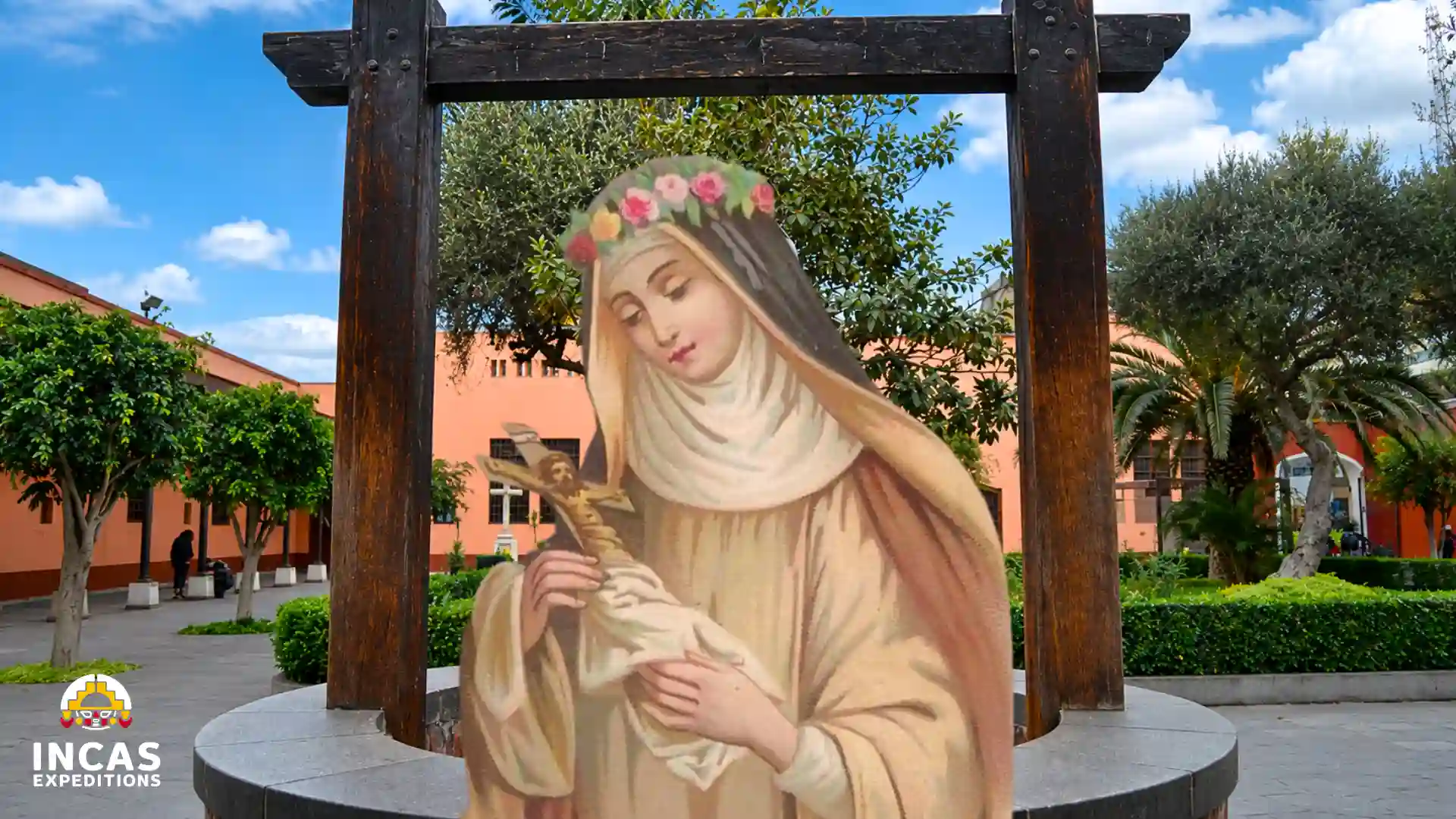
The Feast of Saint Rose of Lima is approaching, a special date to remember the first saint of the Americas, officially canonized in 1671. Celebrated every August 30th, this feast day honors the woman who dedicated her life to prayer, penance, and caring for the most needy without ever leaving her hometown. Her story lives on in the streets of Lima’s historic center, where each year thousands of faithful gather to leave flowers, letters, and petitions at her shrine, maintaining a tradition that is now more than four centuries old.
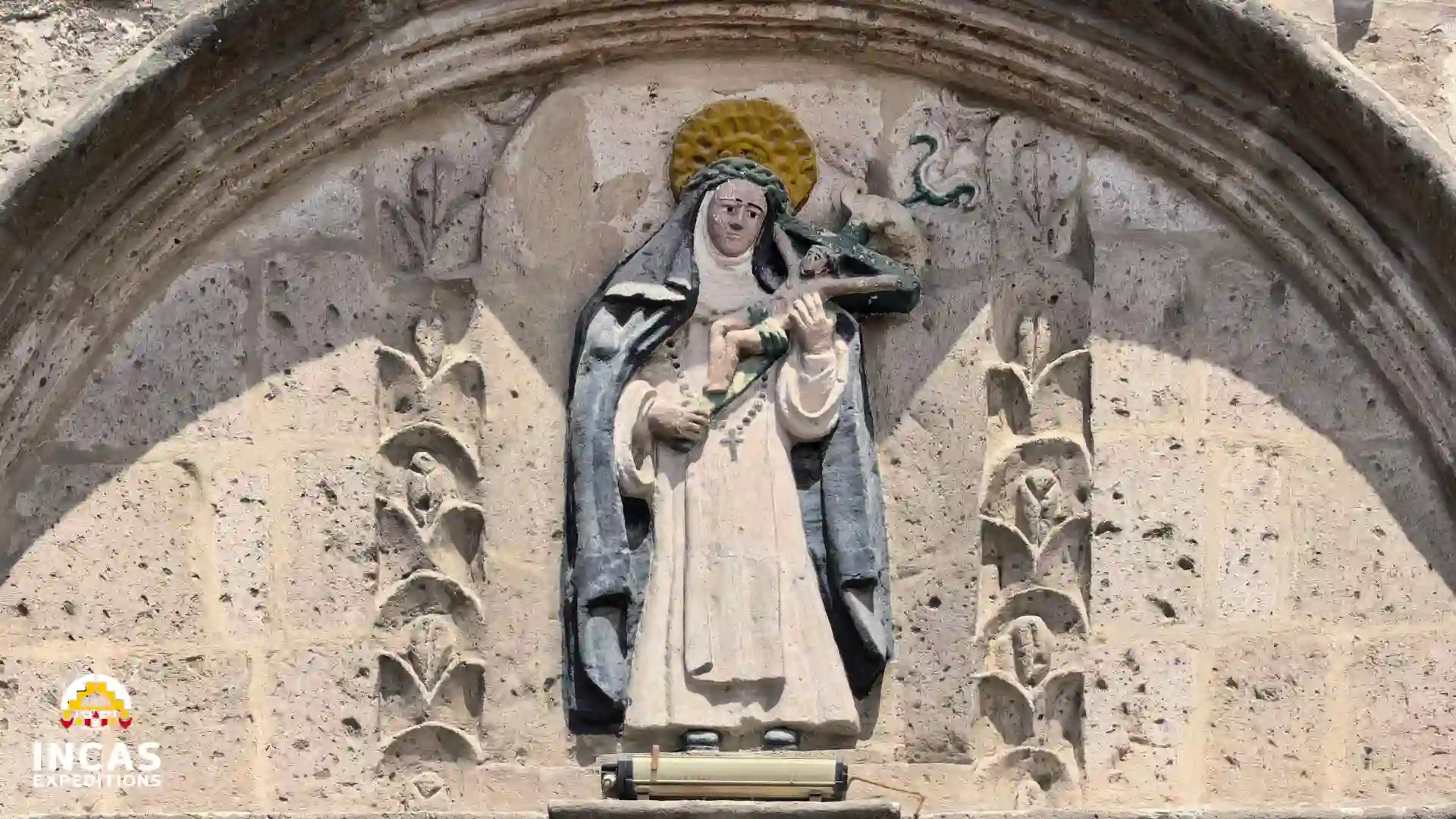
History of Saint Rose of Lima
Isabel Flores de Oliva was born in Lima on April 20, 1586, the daughter of a Spanish soldier and a mother of Inca and Spanish descent. A servant who saw her as a baby said her face resembled a rose, and this nickname eventually replaced her real name when she was confirmed in 1597.
From childhood, she led a life of fasting and penance, even going so far as to mark her face with pepper to ward off suitors attracted by her beauty, something that caused considerable tension with her parents, who expected her to marry. At the age of twenty, she entered the Third Order of Saint Dominic and transformed a corner of the family garden into a hermitage, never leaving her parents’ house, where she also cared for poor children and sick elderly people while supporting herself by embroidering and selling flowers.
Rosa died on August 24, 1617, at the age of thirty-one, at the home of close friends. Her funeral caused such a stir that the authorities had to bury her in secret to prevent people from taking relics of her body. She was beatified in 1667 by Pope Clement IX and canonized in 1671 by Clement X, becoming the first person born in the Americas to be declared a saint. Today she is the patron saint of Lima, Peru, and all of Latin America, and the Feast of Saint Rose of Lima is celebrated on August 23 in the general calendar, although in Peru the traditional date remains August 30.
Why is she the patron saint of the Americas
Pope Clement X named Rose the patron saint of Lima, Peru and all of Latin America shortly after her canonization in 1671, and she was later extended patronage over the Philippines and the West Indies as well. This recognition wasn’t just ceremonial. Rose became a symbol that holiness could rise from the New World itself, not only from Europe, at a time when the Catholic Church was still defining what colonial Peru meant to the wider faith.
Today her relevance goes beyond religion, and it’s part of why the Feast of Saint Rose of Lima still matters so much to the country. She’s a figure of national identity for Peruvians, someone whose story of humility, service to the poor and quiet defiance of social expectations still resonates in a nation that continues to celebrate her every August 30 with public holidays, processions and full churches from Lima to small Andean towns.
You may be interested: Best places to eat in Cusco
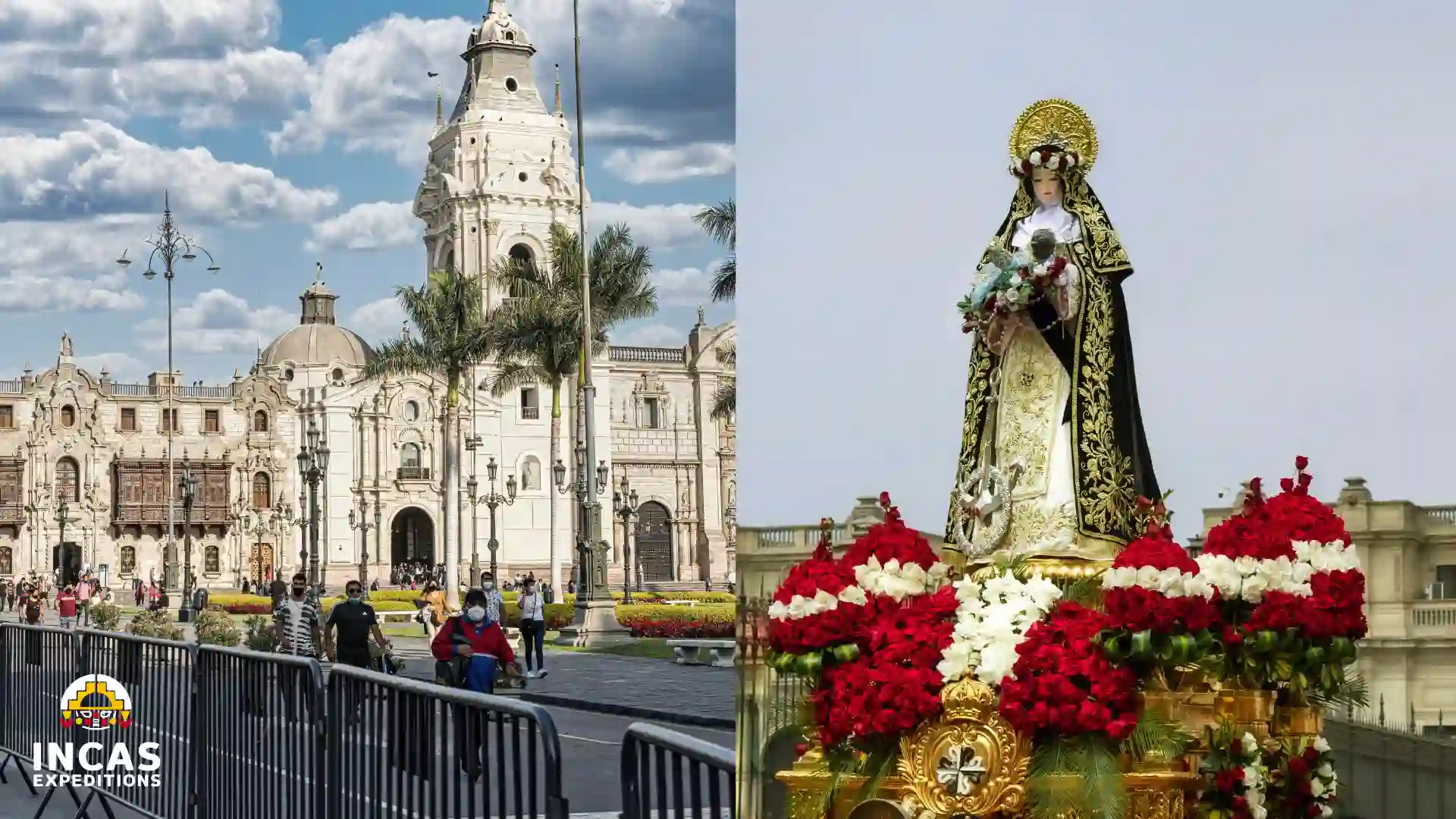
Feast of Saint Rose of Lima 2026
The feast of Saint Rose of Lima honors Peru’s first canonized saint, a woman known for her devotion, humility and lifelong care for the poor of colonial Lima. Each year the city marks the occasion with religious processions, floral offerings and Mass at the Basilica of Santo Domingo, where her remains are kept. For many Peruvians the day carries both spiritual and cultural weight, blending Catholic tradition with a strong sense of local pride.
When is it celebrated
Saint Rose’s official feast day on the Catholic calendar falls on August 23. In Peru and several other Latin American countries, however, the traditional date is August 30, which was the original feast day before a 1969 calendar reform moved it. Most public celebrations in Lima still follow the August 30 date, and it remains a public holiday across the country.
Where is it celebrated
The main celebrations take place in Lima, where the Basilica and Convent of Santo Domingo serves as the spiritual center of the festivities. Pilgrims and locals visit her sanctuary near the convent to leave flowers and prayer requests, following a tradition believed to bring good fortune. Processions also move through the historic center of the city, and smaller observances take place in churches and communities throughout Peru, given her status as patron saint of the country.
The wishing well during the Feast of Saint Rose of Lima
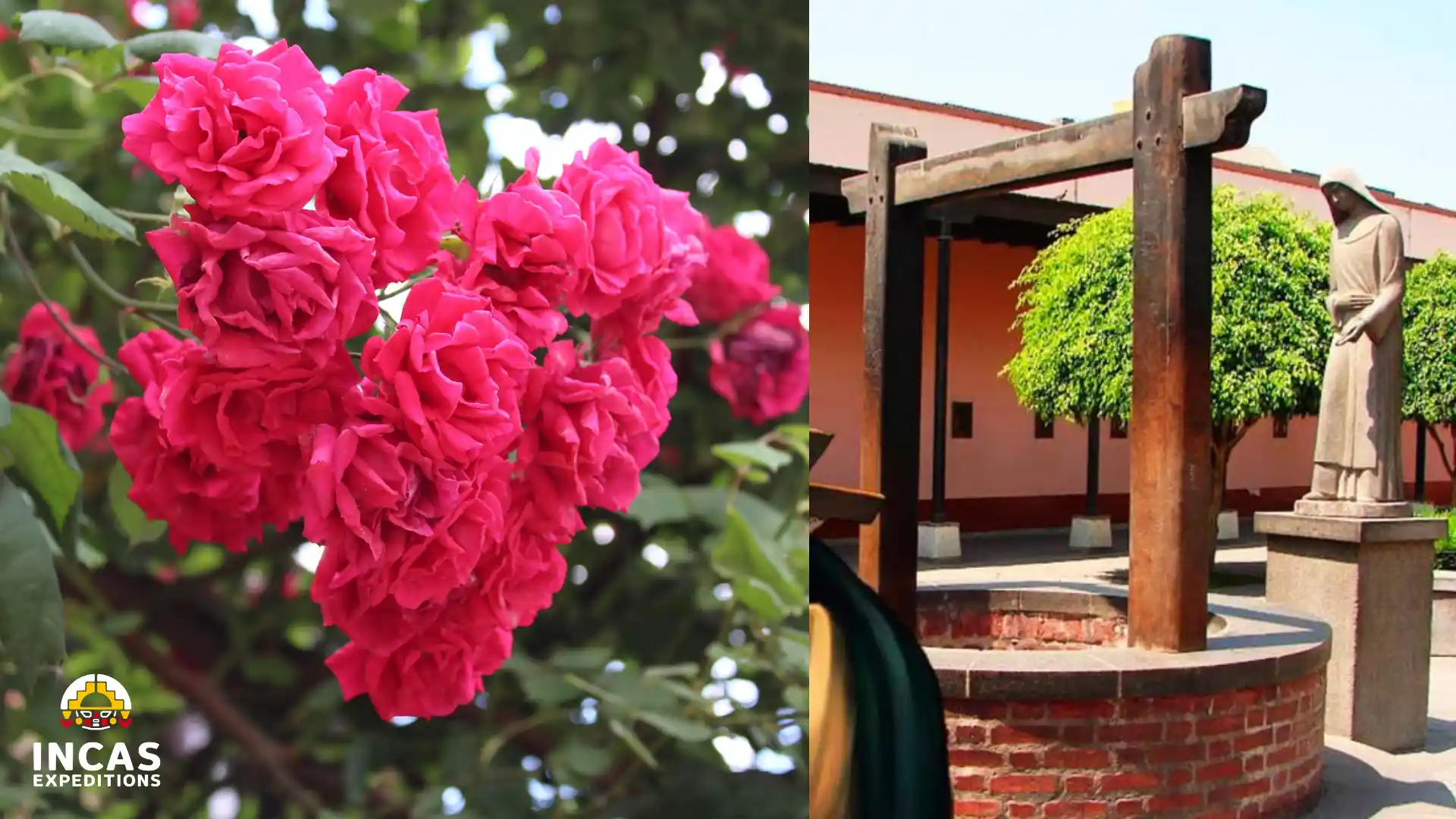
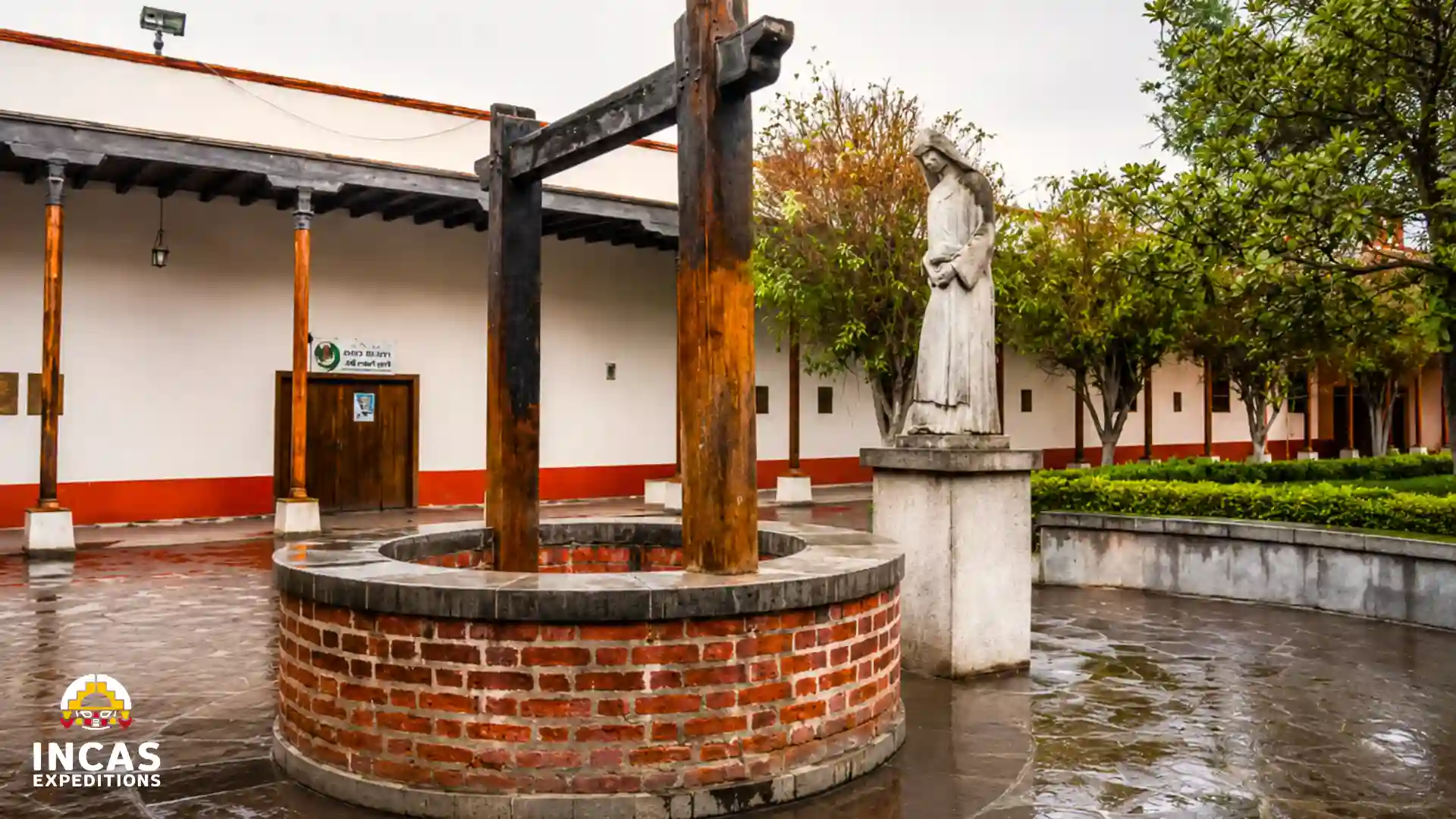
Inside the Sanctuary of Saint Rose of Lima sits one of the city’s most visited religious traditions: the pozo de los deseos, or wishing well, where devotees have left written petitions for centuries asking for the saint’s intercession. During the Feast of Saint Rose of Lima on August 30, the well becomes the focal point of the day, drawing thousands of visitors who come to leave a letter, say a prayer, or simply witness the tradition firsthand.
Visitors write a personal request or prayer, seal it in an envelope, and leave it near the well as an offering to the saint. It’s a simple, deeply personal act that doesn’t require any special preparation beyond the letter itself. For those who can’t visit in person, the sanctuary also accepts petitions sent by WhatsApp or email, which staff print out and place at the well on the person’s behalf.
Opening hours during the feast day
The church itself is open daily from 8 a.m. to 6 p.m. The garden and wishing well keep separate hours, open from 9 a.m. to 1 p.m. and again from 3 p.m. to 6 p.m. On August 30 specifically, expect these hours to fill up fast, since the well sees its heaviest traffic of the year on this date. Arriving right at opening, before 9 a.m., is the best way to avoid the longest lines.
Entrance cost
Visiting the sanctuary, the church and the wishing well is completely free, including on the feast day itself. There’s no admission fee at any point during the celebrations, though many visitors bring flowers or small offerings as a personal gesture rather than a required cost.
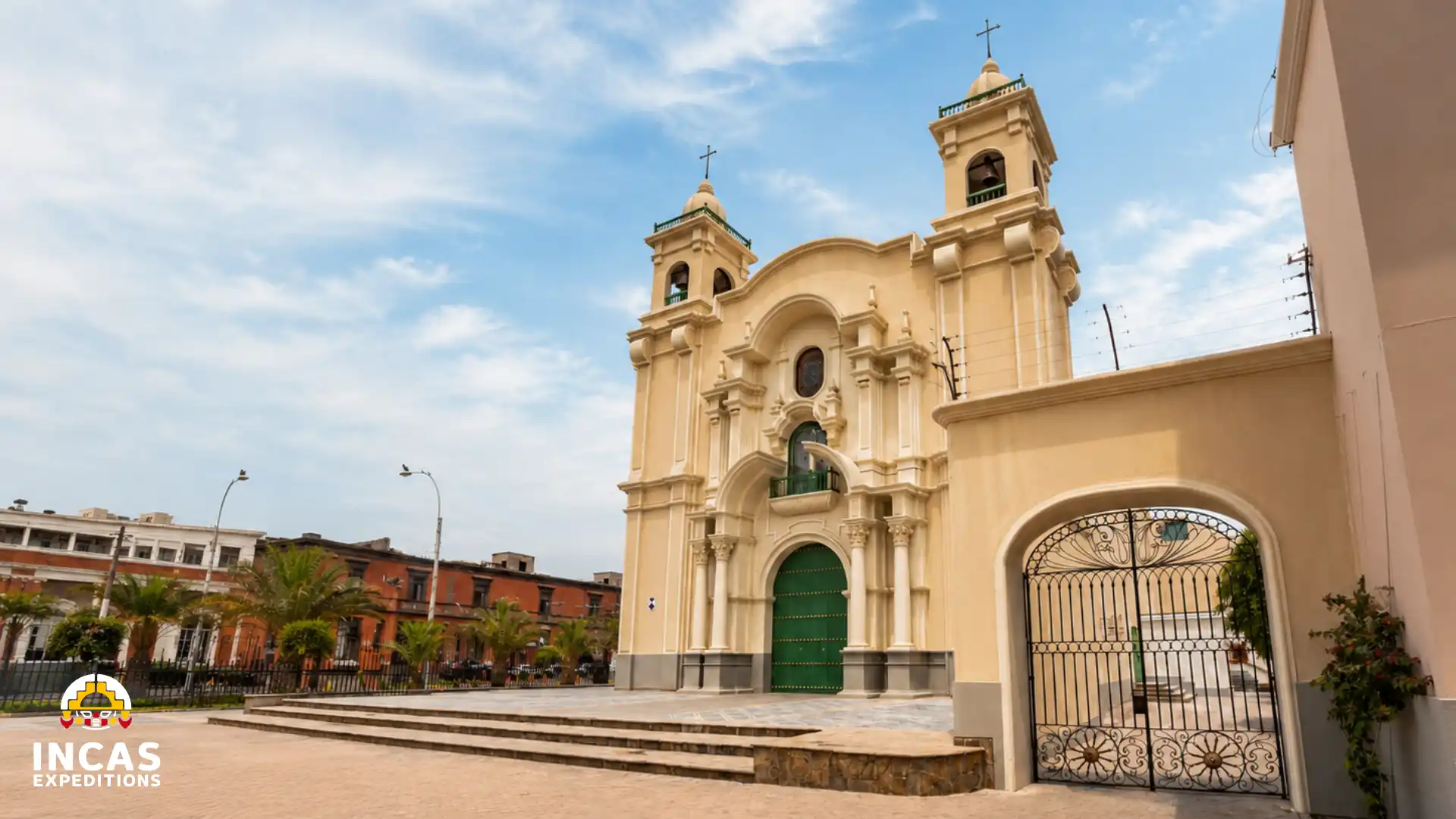
Saint Rose of Lima church
The Sanctuary of Saint Rose of Lima stands on the exact plot where Isabel Flores de Oliva was born in 1586 and spent most of her life. Run by Dominican friars, the complex combines a church, a museum and a garden, and it remains one of the most visited religious sites in Lima’s historic center, especially during the Feast of Saint Rose of Lima. Archaeological work under the building has even uncovered remains from the pre-Hispanic Lima culture, showing the site held spiritual significance long before colonial times.
Where is it located
The sanctuary sits at the corner of Avenida Tacna and Jirón Conde de Superunda, in the heart of Lima’s historic center, a UNESCO World Heritage Site since 1991. The entrance faces Conde de Superunda after renovations in 1991 widened Avenida Tacna and altered the original facade.
Opening hours
The church itself opens daily from 8 a.m. to 6 p.m. The adjoining garden and the famous wishing well keep separate hours, open from 9 a.m. to 1 p.m. and again from 3 p.m. to 6 p.m., seven days a week.
Entrance cost
Entry to the sanctuary, the church and the wishing well is free. There is no admission fee, and the site welcomes both worshippers and visitors interested in colonial history and religious art.
Interesting facts about Saint Rose of Lima
Beyond the official biography, Saint Rose of Lima’s life is full of details that rarely make it into standard summaries. From unusual acts of devotion to her lasting influence across the Americas, these facts round out the story behind the Feast of Saint Rose of Lima and the woman Peru still honors as its most famous saint.
She was the first person born in the Americas to become a saint
When Pope Clement X canonized her in 1671, Rose became the first person born in the New World to receive that honor from the Catholic Church, decades before any other American-born figure.
Her name came from a servant’s remark, not her parents
According to tradition, a household servant looked at Isabel as a baby and said her face looked like a rose. Her mother liked the comparison so much that the nickname stuck, eventually replacing her baptismal name at confirmation.
She disfigured her own face to avoid marriage
To discourage suitors drawn to her looks, Rose rubbed pepper into her skin and lime into her hands, deliberately causing blisters. Her parents wanted her to marry, but she was determined to remain unmarried and dedicate her life to religious devotion.
She was close friends with Saint Martin de Porres
Rose and Martin de Porres, another Dominican from Lima who was later canonized himself, knew each other personally and supported one another’s work caring for the sick and poor of the city.
She’s linked to a story about pirates
Local tradition credits her prayers with helping protect Lima from an attack by a Dutch pirate fleet in 1615, a story still repeated in accounts of her life.
Her funeral turned into a near riot
When she died in 1617, so many people wanted a relic of her body or clothing that officials had to cancel the public funeral and bury her secretly to keep the crowd from mobbing her remains.
What did Saint Rose of Lima do
Rose of Lima dedicated most of her adult life to prayer, penance and caring for people others overlooked, all without ever entering a convent or leaving her family’s home in Lima. Her daily routine combined intense spiritual discipline with practical service to the sick, the poor and the elderly of the city, a legacy still remembered every year during the Feast of Saint Rose of Lima.
She cared for the sick and supported her family
Rose converted a room in her parents’ house into a small infirmary, where she looked after destitute children and elderly people who had nowhere else to go. To help sustain the household, she also did needlework and sold flowers she grew herself, work that gave her some independence while her family disapproved of her religious ambitions.
She practiced severe penance and daily devotion
She fasted several times a week and imposed harsh physical penances on herself, including wearing a spiked metal band and a rough hair shirt, inspired by the life of Saint Catherine of Siena. She also received daily communion, an unusual practice for laypeople in the 17th century, and turned a small hut in her family’s garden into a private hermitage for prayer.
She joined the Dominicans without leaving home
At twenty, Rose became a Third Order Dominican, a lay member affiliated with the order without taking full monastic vows. This let her live a religious life of service while still residing with her parents, something they had long resisted.
Her outspokenness and mystical experiences drew attention
Rose openly criticized the exploitation carried out by Spanish colonists in the New World, unusual for a young woman of her era. Her visions and mystical experiences were significant enough that Church authorities in Lima opened a formal inquiry into her life shortly after her death in 1617, a process that supported her later beatification and canonization.
Tips for celebrating the Feast of Saint Rose of Lima
If you plan to visit the sanctuary on August 30th, it’s best to plan your day a little in advance, as it’s one of the busiest days in downtown Lima. These practical tips will help you make the most of your visit.
- Start early, before 9 a.m: The sanctuary opens at 8 a.m., but the garden and the wishing well don’t open until 9 a.m. Arriving just before then will help you avoid the long lines that form mid-morning and give you more time to explore the museum at your leisure.
- Wear comfortable clothing and sun protection: You’ll be doing a lot of walking between the sanctuary, the Cathedral, and Santo Domingo Church, so comfortable shoes are essential. A hat or cap is also helpful, as there isn’t much shade in that area of the historic center during peak hours.
- Prepare your wishing well letter in advance: If you want to leave a wish in the well, write your letter at home and bring it in a sealed envelope. This way, you avoid rushing at the site, with so many people waiting their turn.
- Bring cash in soles, even though admission is free: Entrance to the sanctuary, the church, and the well is free, but it’s a good idea to bring some cash in case you want to buy candles, holy cards, or a floral offering nearby.
- Also visit the Cathedral and the Convent of Santo Domingo: Since the sanctuary is just a few blocks from other important landmarks in the historic center, take the opportunity to walk to the Cathedral of Lima and the Convent of Santo Domingo, where the saint’s remains are kept. It’s a short walk that adds context to your visit.
- Be patient with the lines if you go around midday: If you can’t arrive early, consider going after 3 p.m., when the crowds tend to thin out compared to the morning. The well closes at 6 p.m., so there’s still time to enjoy your visit at a more leisurely pace.
Frequently asked questions about the Feast of Saint Rose of Lima
1. What is Saint Rose of Lima’s feast day?
Her feast day is celebrated on August 23 in the general Catholic calendar, though Peru and several other Latin American countries have kept the traditional date of August 30, which was her original feast day before a 1969 calendar reform. In Peru, August 30 is the date most closely tied to public celebrations and remains a national public holiday.
2. Where are Saint Rose of Lima’s remains?
Her remains rest in the Basilica and Convent of Santo Domingo in Lima’s historic center, alongside the remains of Saint Martin de Porres and Saint John Macias, two other Peruvian saints she was closely connected to during her life. This makes the convent one of the most significant pilgrimage sites in the city, drawing large crowds around her feast day, in addition to the sanctuary built on the site of her birthplace a few blocks away.
3. What is Saint Rose of Lima the patron saint of?
She is the patron saint of Lima, Peru and all of Latin America, a title granted shortly after her canonization in 1671. Her patronage was later extended to the Philippines and the West Indies as well. Beyond these broader roles, she’s also recognized as the patroness of embroiderers, gardeners and florists, reflecting the work she did to support herself, and of people who face ridicule or misunderstanding for their faith, a nod to the resistance she faced from her own family and community.
4. Was Saint Rose of Lima a nun?
Not in the traditional sense. Rather than entering a convent, Rose joined the Third Order of Saint Dominic at age twenty as a lay tertiary, a status that let her commit to a religious life of prayer, penance and service without taking full monastic vows. This allowed her to remain in her family’s home in Lima for the rest of her life, where she cared for the sick and poor while continuing her personal devotions.
5. How old was Saint Rose of Lima when she died?
She died on August 24, 1617, at the age of thirty one, at the home of close family friends where she had spent her final months. Despite her short life, the impact of her devotion was significant enough to lead to her beatification just fifty years later and her canonization in 1671.
6. What are 5 interesting facts about Saint Rose of Lima?
Here are five details that stand out beyond the basic biography:
- She was the first person born in the Americas to be canonized as a Catholic saint, recognized in 1671.
- Her nickname came from a servant who thought her baby face resembled a rose, and it eventually replaced her birth name, Isabel.
- She disfigured her own face with pepper and lime to discourage suitors who were drawn to her looks.
- She was close friends with Saint Martin de Porres, another Lima-born Dominican who was also later canonized.
- Her funeral drew such large crowds that authorities had to bury her in secret to stop people from taking pieces of her body or clothing as relics.
7. What was the miracle of Saint Rose of Lima?
Several miracles have been attributed to her over the centuries. During her life and after her death, people reported unexplained healings connected to praying for her help, including cases of leprosy. One of the most repeated stories involves an attack on Lima in 1615, when Dutch pirates who entered the Basilica of Santo Domingo reportedly saw Rose guarding the tabernacle and fled back to their ships. Perhaps the most famous account tied to her canonization holds that Pope Clement X prayed to her for a sign before declaring her a saint in 1671, and it began to rain roses.
8. What do you pray to Saint Rose of Lima for?
Devotees pray to her for a range of intentions tied to her patronages. She’s commonly invoked by embroiderers, gardeners and florists, given the work she did with needlework and flowers to support her family. She’s also a source of comfort for people who feel misunderstood or ridiculed for their faith, since she faced that kind of resistance from her own parents and community. More broadly, many Peruvians pray to her for the wellbeing of their families, for healing, and for the protection of Lima and the country as a whole, a tradition that continues at her wishing well, where visitors leave written petitions asking for her intercession.
Celebrate the Feast of Saint Rose of Lima with us
More than four centuries after her death, Rose of Lima still brings an entire city together every August 30th, and there’s something quietly moving about that. In a world that moves fast, it’s rare to find a tradition this old that people still show up for with the same sincerity as their great-grandparents did, letter in hand, hoping to be heard.
Whether you come for the faith, for the beauty of the colonial architecture, or simply to see Lima’s historic center full of life and flowers, the Feast of Saint Rose of Lima has a way of staying with you long after the day ends. It’s not just a celebration, it’s a glimpse into what still matters to the people of this city. If your trip to Peru happens to line up with this date, don’t let it pass you by. Walk through the sanctuary, sit for a moment by the well, and let yourself be part of a story that’s been unfolding for over four hundred years.
