


In this guide, we present the 15 must-see markets in Peru, places where history, food and local traditions remain part of everyday life. Lima’s organized market system began developing in the 19th century: a government decree authorized the construction of the city’s Central Market in 1846, work began in 1852, and the current Mercado Central building dates from 1967.
This heritage can also be seen in regional markets such as Cusco’s San Pedro Market, officially inaugurated on June 7, 1925. Today, Peru’s markets connect products from the coast, Andes and Amazon, including native potatoes, tropical fruits, medicinal plants, regional dishes and handmade textiles. Each stop offers travelers a direct look at customs that have been preserved by vendors, farmers and artisans for generations.
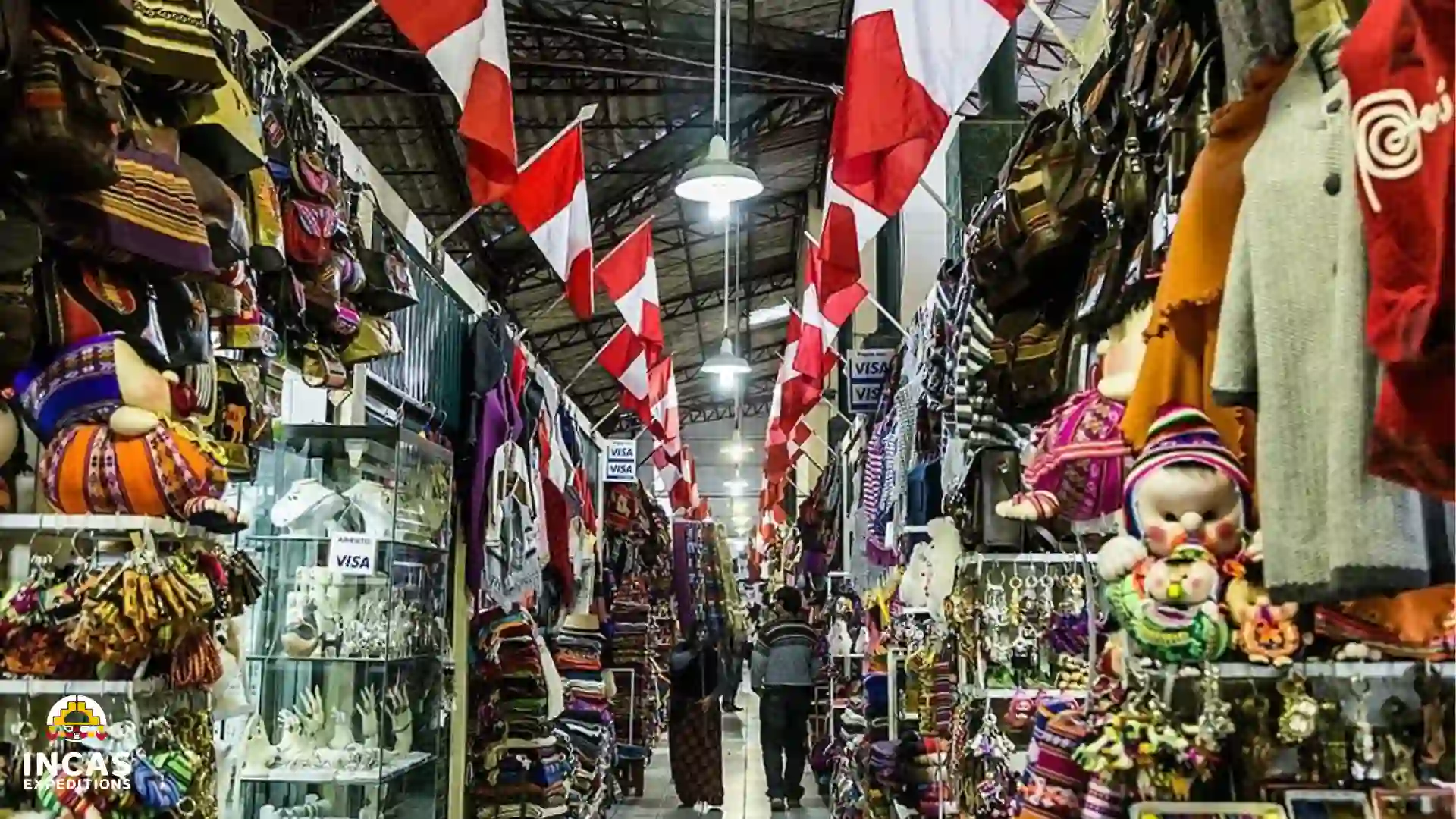
The peruvian market experience
From the highlands of Cusco to the Amazon rainforest and the bustling neighborhoods of Lima, every market reflects the identity of its region. Walking through the aisles allows travelers to see native ingredients, colorful textiles, handmade crafts and local customs that are difficult to experience elsewhere. Whether you are tasting exotic fruits, chatting with local vendors or looking for unique souvenirs, visiting a traditional market offers a genuine glimpse into everyday life in Peru.
Why visiting local markets is an essential part of traveling in Peru
Peruvian markets allow travelers to connect with the country beyond its archaeological sites and popular attractions. They offer direct contact with farmers, artisans and local families while showing the diversity of products from the coast, Andes and Amazon.
They are also excellent places to try regional dishes, buy locally made products and learn about traditional ingredients. Spending money at local stalls supports small businesses and makes the travel experience more authentic.
What can you expect from a traditional Peruvian market?
Many traditional markets in Peru have been part of their communities for decades, and some trace their origins back to colonial times or even earlier trading traditions. Today, they continue to preserve customs that have been passed down through generations, making them an important part of the country’s cultural heritage.
You may be interested: Best places to eat in Cusco
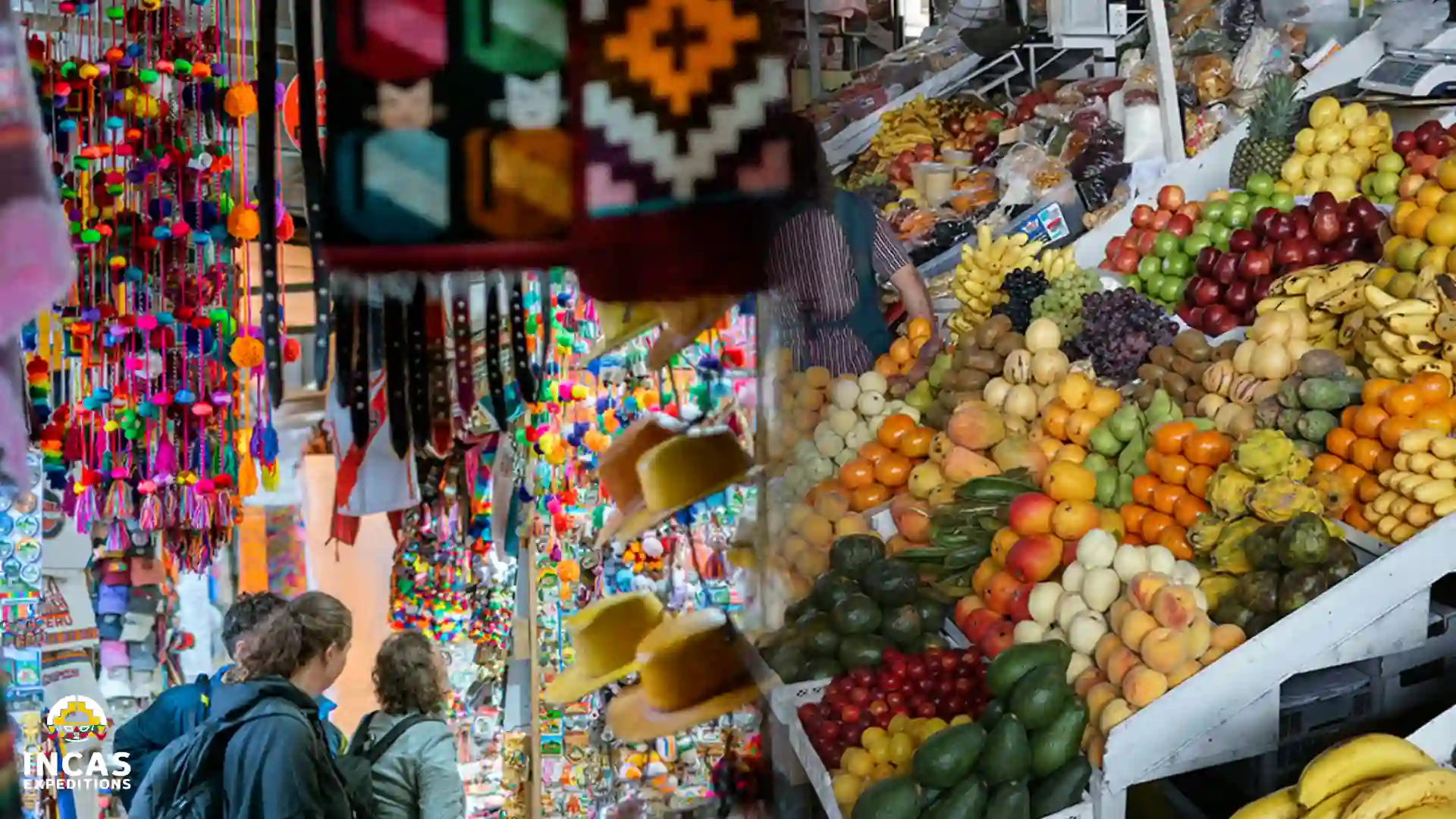
15 markets in Peru
Markets in Peru offer a real look at daily life, local food and handmade crafts, often at a fraction of what you would pay in a shop. From the covered halls of Cusco to the stalls of the Sacred Valley and the coast, here are 15 spots worth building into an itinerary.
1. Mercado Central de San Pedro, Cusco
San Pedro is the market most visitors picture when they think of Cusco. Built in 1925 and designed by the French engineer Gustave Eiffel, it holds around 1,180 stalls under a single iron and corrugated roof a few blocks from the Plaza de Armas.
Open daily from roughly 6.30am to 6.30pm, though many stalls wind down by mid afternoon. Best visited between 9am and 4pm to see the full range of stands. Expect fruit juices, alpaca charqui, quinoa, cheese, breads and a section dedicated to herbal remedies and coca leaf. A juice with fruit and milk runs about S/5 to S/8 ($1.5 to $2). Cash only, and it is worth asking before photographing vendors.
2. Pisac market, Sacred Valley
Pisac sits about 33 km from Cusco, roughly 45 minutes by colectivo from Puputi street (S/10 per person). The market runs every day but grows considerably on Sundays, Tuesdays and Thursdays, when highland communities come down to trade.
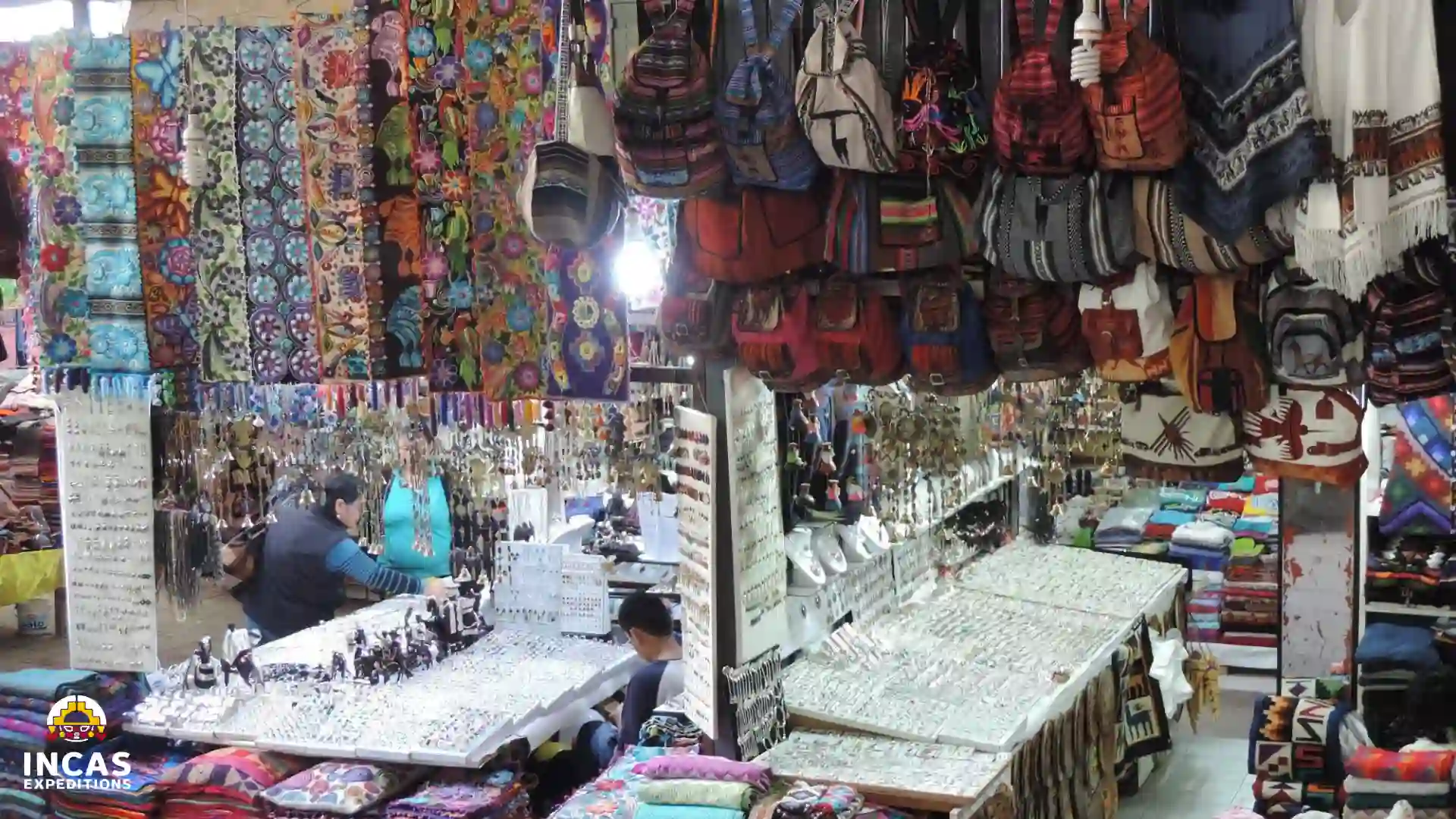
The handicraft section covers textiles, alpaca ponchos, hand painted ceramics with Inca motifs and silver jewellery, generally open from 9am to 4.30pm. Prices for woven pieces here tend to run 30 to 50 percent lower than in Aguas Calientes for comparable quality. Bargaining is expected, and starting around 70 percent of the asking price is a fair opening move. Sundays add a food and produce section where locals sell chuño, broad beans and Urubamba corn.
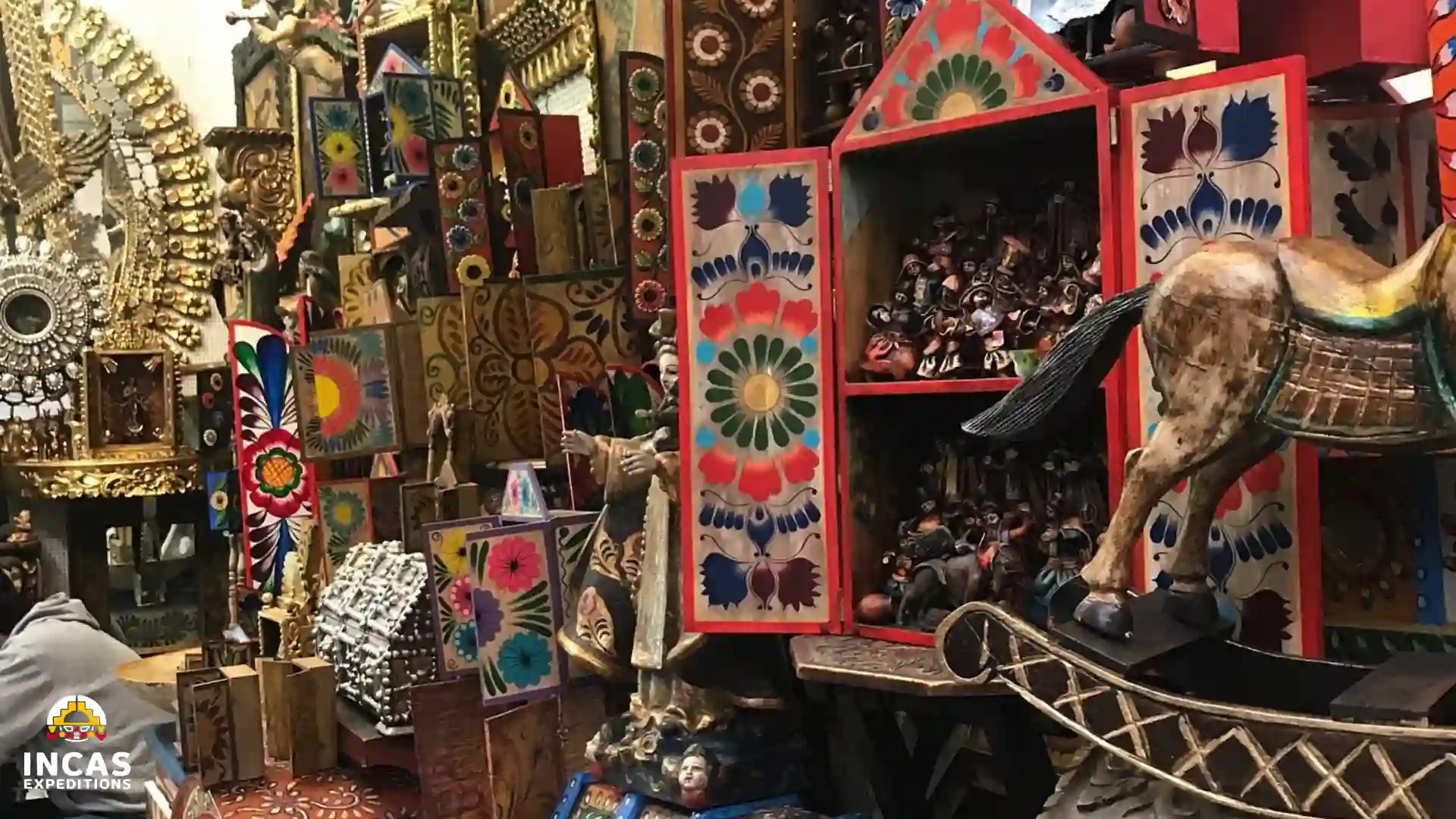
3. Indian Market, Centro Artesanal Miraflores, Lima
Located on Av. Petit Thouars between blocks 52 and 55 in Miraflores, this is actually a cluster of adjoining craft galleries rather than a single market, including Mercado Inka, Plaza Inka and several smaller centro artesanal stalls. Open daily, generally from 9.30am to 8pm.
This is the place for alpaca sweaters, silver jewellery, retablos, ceramics and painted gourds gathered from across Peru under one roof. Quality and pricing vary a lot between stalls selling handmade pieces and stalls selling mass produced souvenirs, so it pays to compare a few before buying. Cash gets better prices, though many stalls take cards.
4. Mercado Central y Mercadillos de Tacna
In Tacna’s city centre, this combines a traditional food market with a cluster of nearby mercadillos (Bolognesi, Caplina, 28 de Julio) built around the city’s duty free trade zone. The main market sells local produce, cooked food and fresh juices, while the mercadillos next door lean toward clothing, electronics, perfume and imported goods, some at notably low prices.
Worth knowing before buying alpaca or silver here: quality claims are not always accurate, so it helps to check labels and ask directly. Keep bags zipped and phones out of back pockets, since pickpocketing is a known issue in the busier aisles.
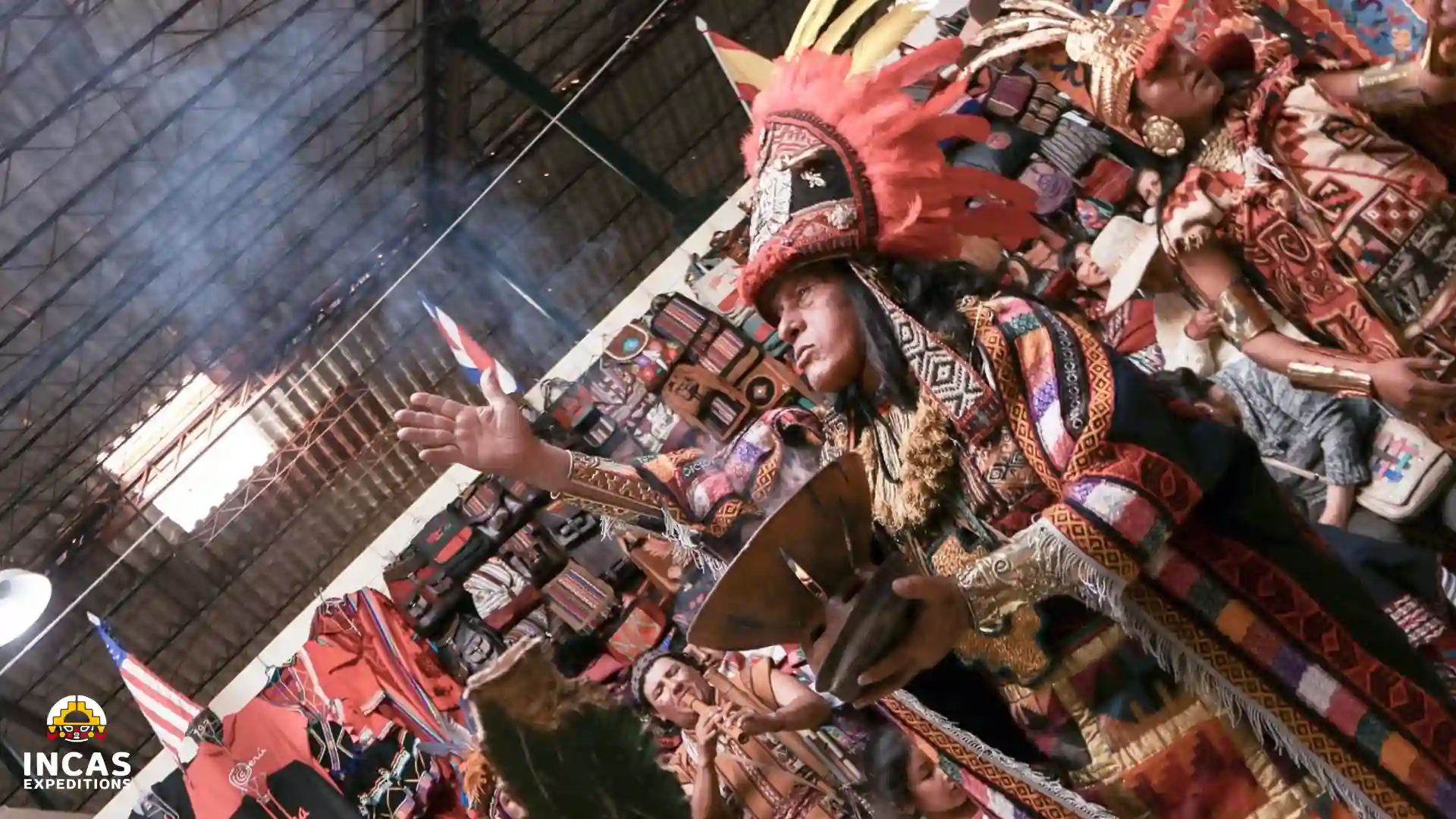
5. Centro Artesanal Cusco
On Av. El Sol, at the corner with Av. Tullumayo, this indoor craft centre is open daily from 9am to 8pm. It groups dozens of stalls selling textiles, musical instruments, alpaca clothing, ceramics, paintings and jewellery, with an ATM on site.
It works well as a one stop option for souvenir shopping without covering multiple neighbourhoods, though prices sit a bit higher than in Pisac or San Pedro for similar items.
6. Mercado San Camilo, Arequipa
San Camilo is Arequipa’s main market, about 130 years old and, like San Pedro, tied to Gustave Eiffel’s design work in the region. It sits close to the Plaza de Armas.
Inside, expect fresh produce, local cheeses, alfajores, cocadas, straw hats and woven textiles, alongside a well known juice section where mixing fruits and adding milk is common practice. A full juice and sandwich combo runs around S/20 total. A separate corner sells herbs, amulets and offerings tied to Andean ritual practices, including items used for pagos a la tierra.
7. Mercado Central, Lima (Barrios Altos)
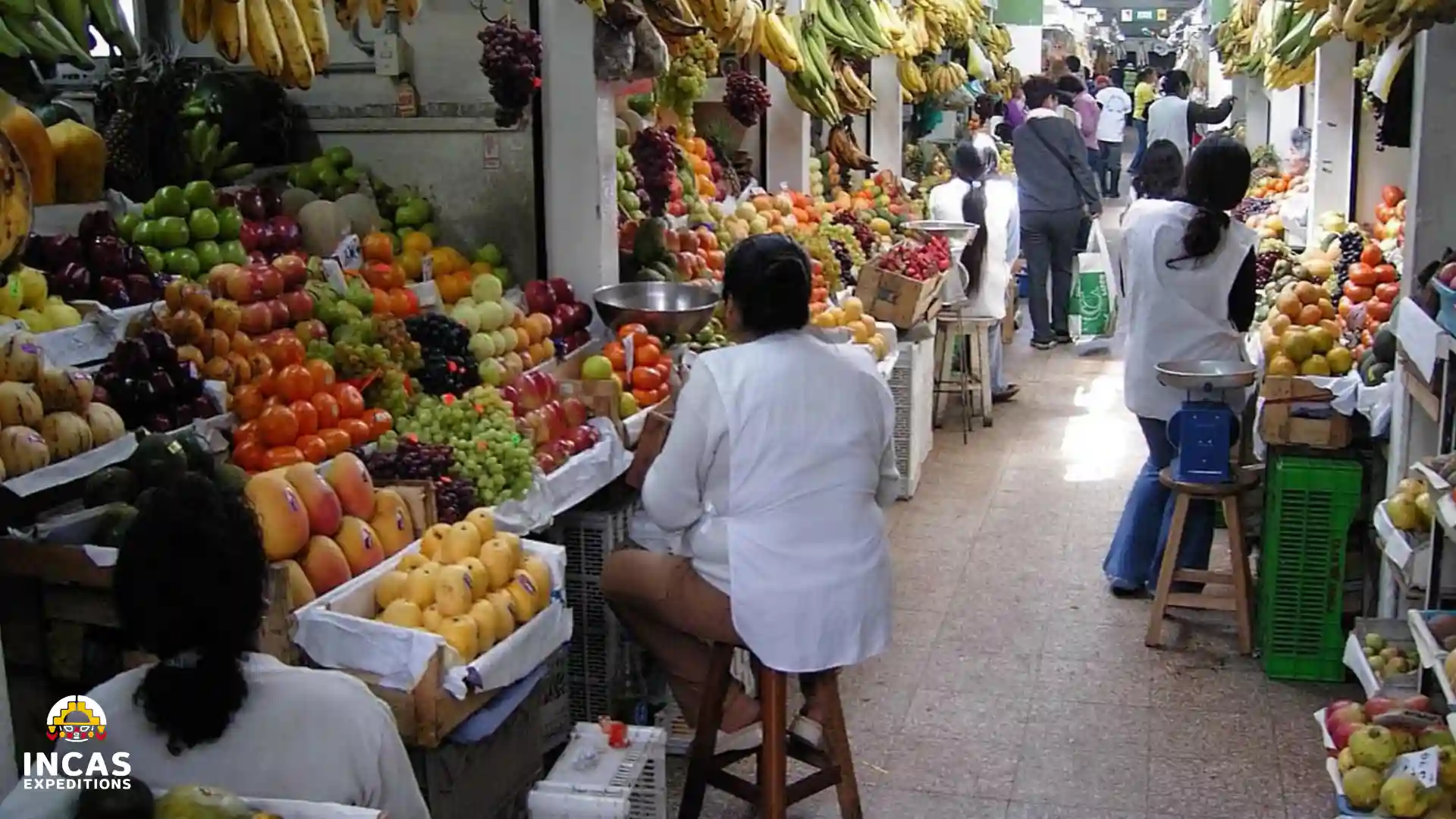
Built between 1964 and 1967, Lima’s Mercado Central sits in Barrios Altos next to Barrio Chino, the city’s historic Chinatown. It is one of the best spots in the capital for classic ceviche ingredients, seafood and produce.
Walking from here into Barrio Chino along Calle Capón, a pedestrian street closed to cars since 1999, adds a chifa food stop to the visit, with dishes like arroz chaufa and wantán soup reflecting over 150 years of Chinese Peruvian history.
8. Mercado Central, Arequipa
This listing shares the same building and roughly 130-year history as San Camilo, since Tripadvisor visitor photos confirm the two entries point to the same historic complex near the Plaza de Armas, built after the 1868 earthquake destroyed the original San Camilo de Lelis convent on the site. Open Monday to Sunday, roughly 7.30am to 3.30pm.
The cooked food section on the upper floor is the main draw, with combination plates pairing ceviche, rocoto relleno and pastel de papas for around S/8 to S/15 ($2 to $4). A slice of the market’s donut-shaped queso helado (not actual cheese, despite the name) is a local favourite. It is worth noting this Tripadvisor listing appears to overlap with San Camilo rather than being a fully separate market, so it is fine to treat a visit to one as covering both.
9. Bioferia, Lima
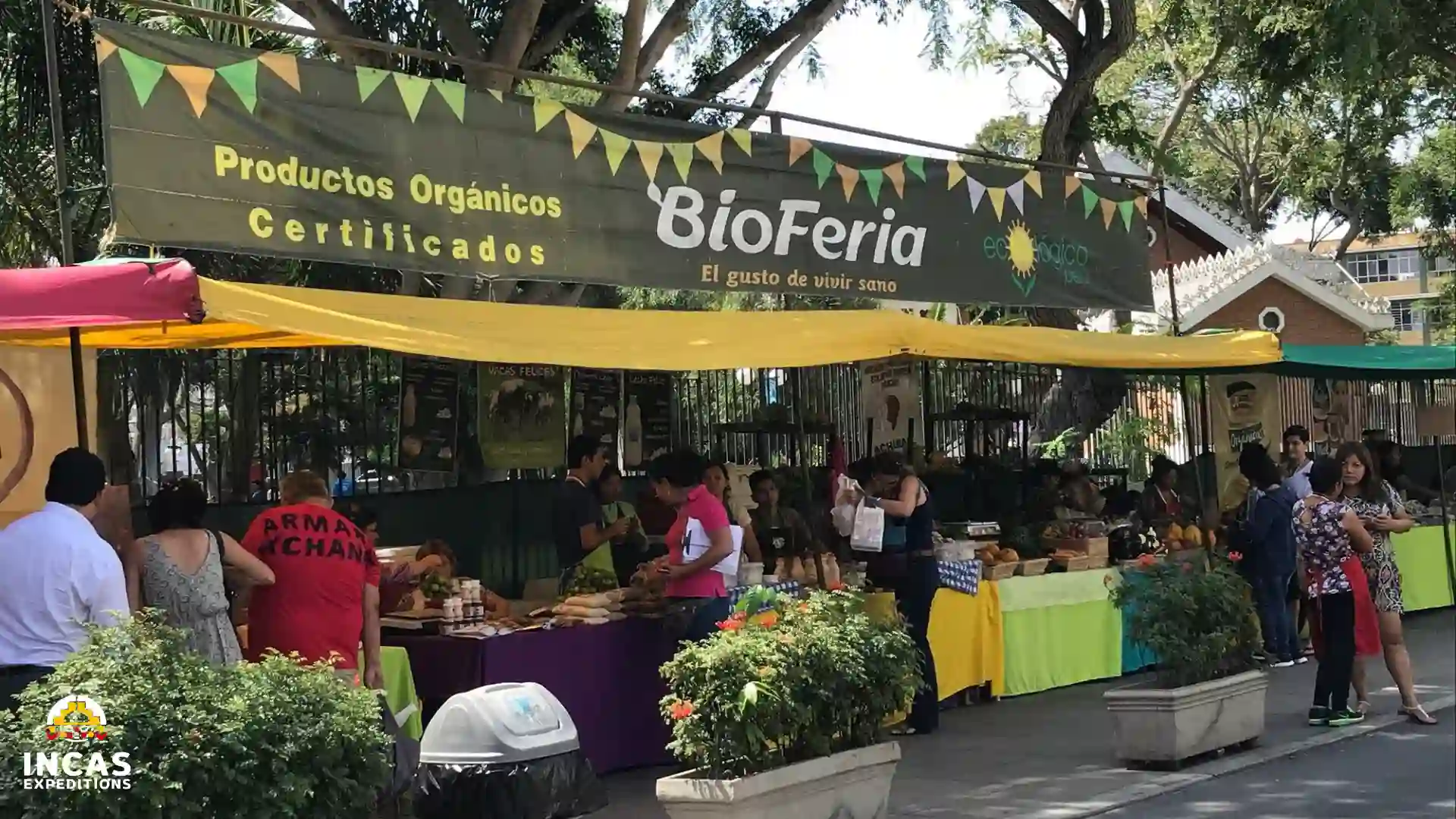
Bioferia was founded in December 1999 by a group of small organic producers who formed the association Ecológica Perú, making it the first organic food market of its kind in the country. It runs every Saturday from 8am to around 2 or 3pm in Parque Reducto N2, a historic park in Miraflores tied to the 1881 defence of Lima during the War of the Pacific.
Around 46 to 48 producers sell certified organic fruit, vegetables, bread, cheese, honey, coffee and free range poultry, at prices that run a bit higher than a regular market in exchange for certified quality. Arriving early, before 10am, gets the best selection before popular stalls sell out.
10. Mercado de Artesanias, Chinchero
Chinchero sits about 40 minutes from Cusco and its Sunday fair is the main draw, when the plaza fills with vendors and many women from surrounding communities wear traditional dress tied to the town’s weaving history, one of the longest running in the Sacred Valley. On other days a smaller but still active market runs in the same square.
Textiles here lean heavily on natural dye techniques passed down through local weaving cooperatives, using cochineal, plants and minerals rather than synthetic dyes, and it is one of the better places in the region to see the dyeing process explained directly by weavers rather than just sold to tourists.
11. Mercado de Surquillo N1, Lima
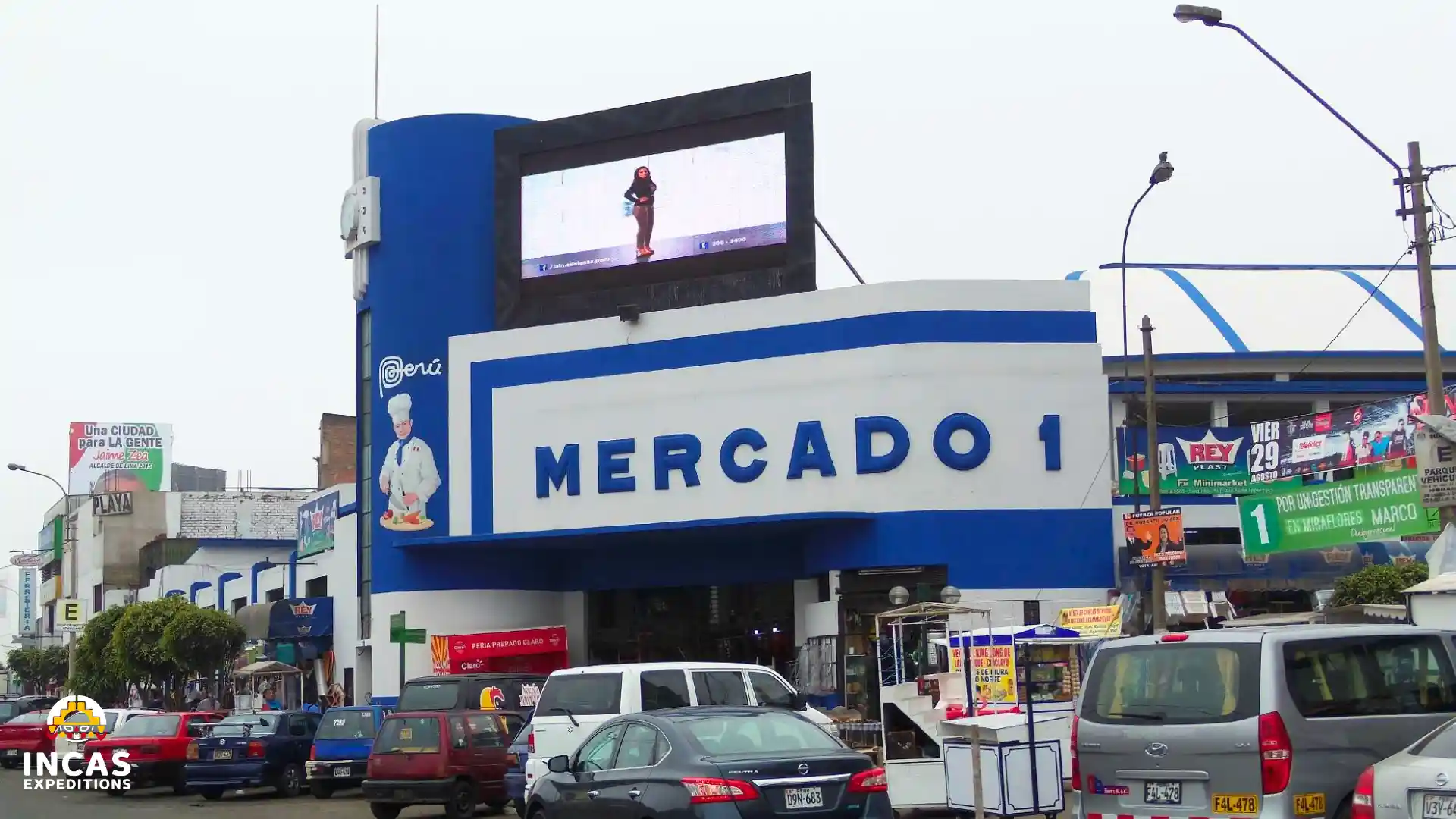
Surquillo N1 was inaugurated in August 1939 under president Óscar R. Benavides, making it nearly 90 years old and one of Lima’s most established food markets, historically known as the place where several of the city’s top restaurant chefs source ceviche ingredients and produce. Behind the main building sit smaller submercados carrying much of the same stock at a more local pace.
Important update: the market has been closed since 2023 over electrical and safety violations, and as of January 2026 the Municipality of Miraflores put the roughly 4,000 square metre property up for public sale for close to $12 million, a move contested by Surquillo’s own municipality, which argues the site is public land. A planned reopening had been targeted for May 2026 pending renovation, but given the ongoing property dispute, it is worth checking current status before planning a visit, since the market may be closed, itinerant, or reopened under different management depending on when you travel.
12. Belén Market, Iquitos
Belén Market is one of the most distinctive places to experience daily life in the Peruvian Amazon. It is located in Alto Belén, around 1.9 km from Iquitos’ Plaza de Armas, and can be reached in approximately six minutes by mototaxi. Its crowded aisles contain Amazonian fish, tropical fruits, regional ingredients, natural remedies and products brought into the city by river communities.
Nearby Pasaje Paquito is particularly known for medicinal plants such as sangre de grado, chuchuhuasi and uña de gato, along with traditional preparations, amulets and objects connected with Amazonian beliefs. Official tourism information lists free access from Monday to Sunday, with recommended visiting hours from around 6am to 5pm. The morning is the best time to see the market at its busiest.
13. Mercado Modelo, Chiclayo
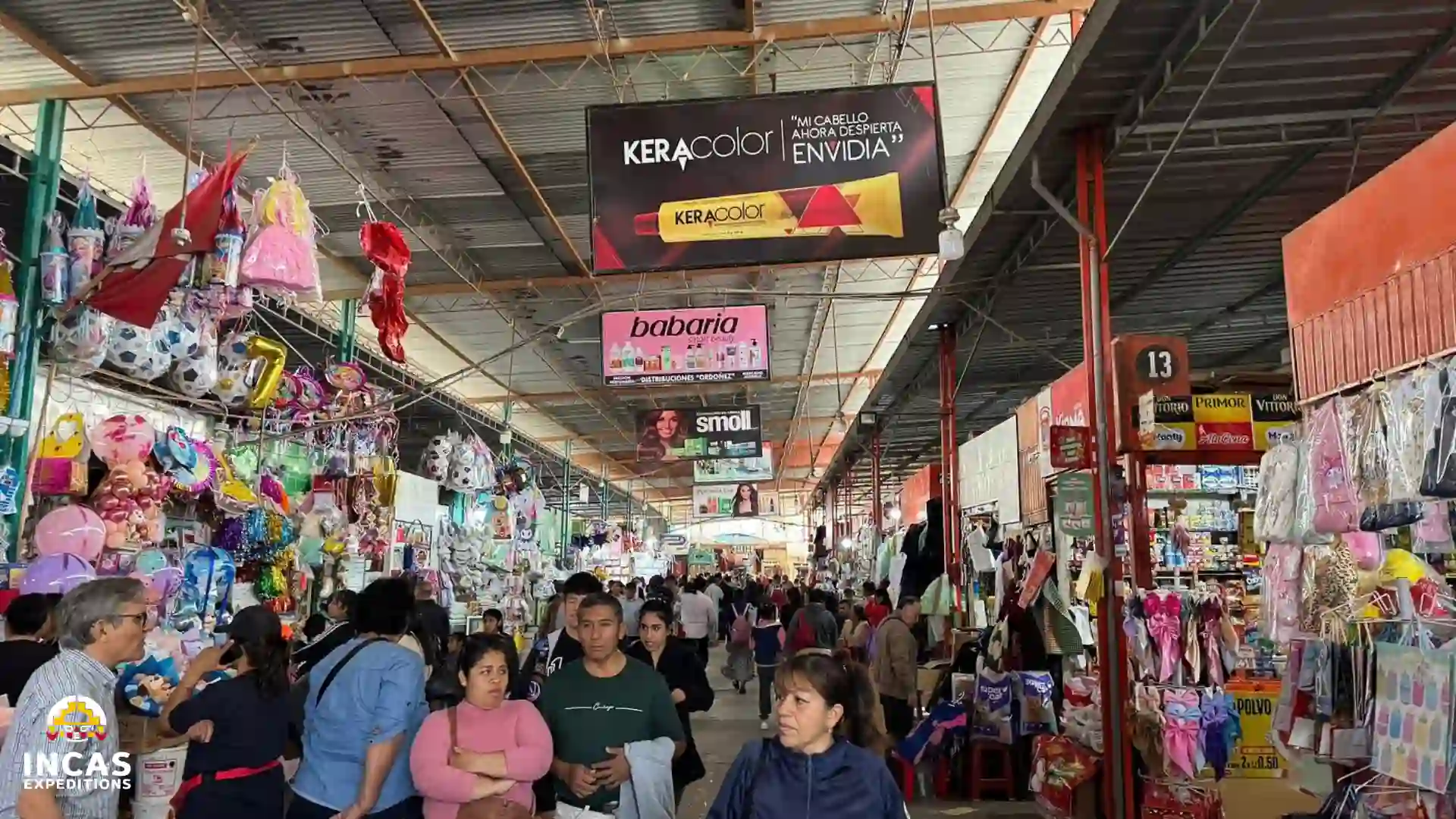
Mercado Modelo is one of the best-known commercial spaces on Peru’s northern coast. The municipal complex covers approximately 34,691 square metres and brings together agricultural products, fruit, vegetables, prepared food, clothing and everyday goods. Its atmosphere is mainly local, making it a good place to observe the commercial life of Chiclayo rather than a market created only for tourists.
One of its most unusual sections is the Mercado de Brujos, or Witches’ Market, where vendors sell medicinal herbs, ritual objects and products associated with northern Peruvian healing traditions. This area is officially included among the tourism attractions connected with the Chiclayo destination. Visitors should ask permission before photographing vendors or ritual products.
14. Feria Dominical de Huancayo
The Sunday Fair of Huancayo is one of the oldest and most traditional trading events in central Peru. Its origins are connected with pre-Hispanic exchange in the Mantaro Valley, while the organized fair was established in 1572 and ratified by Viceroy Toledo in 1578. Since 1976, it has taken place along Avenida Huancavelica, covering approximately 12 blocks every Sunday.
Visitors can find alpaca and sheep-wool textiles, ceramics, jewellery, agricultural products and regional food such as pachamanca, trout, patache and cuy. The fair generally operates from around 6am to 6pm, although the morning offers the greatest variety and activity. Unlike a conventional indoor market, it preserves the atmosphere of a large Andean street fair where commerce, gastronomy and local customs come together.
15. Mercado Artesanal de Aguas Calientes
Located beside the train station in Machu Picchu Pueblo, this artisan market is one of the most convenient shopping stops for travelers visiting Machu Picchu. Its position means many visitors walk through it before boarding their return train to Ollantaytambo or Cusco. PromPerú describes it as an important center for the production, exhibition and sale of decorative and practical handicrafts.
The market contains numerous stalls selling ponchos, sweaters, hats, blankets, paintings, ceramics, jewelry and souvenirs decorated with Andean and Machu Picchu-inspired designs. Prices can be higher than in Pisac or Cusco, so comparing several stalls and bargaining politely is recommended. It is especially useful for travelers who have limited time and want to buy Peruvian crafts without adding another destination to their itinerary.
Tips for visiting markets in Peru
Visiting a traditional market is a rewarding experience, but following a few simple tips will help you make the most of your visit while respecting local customs.
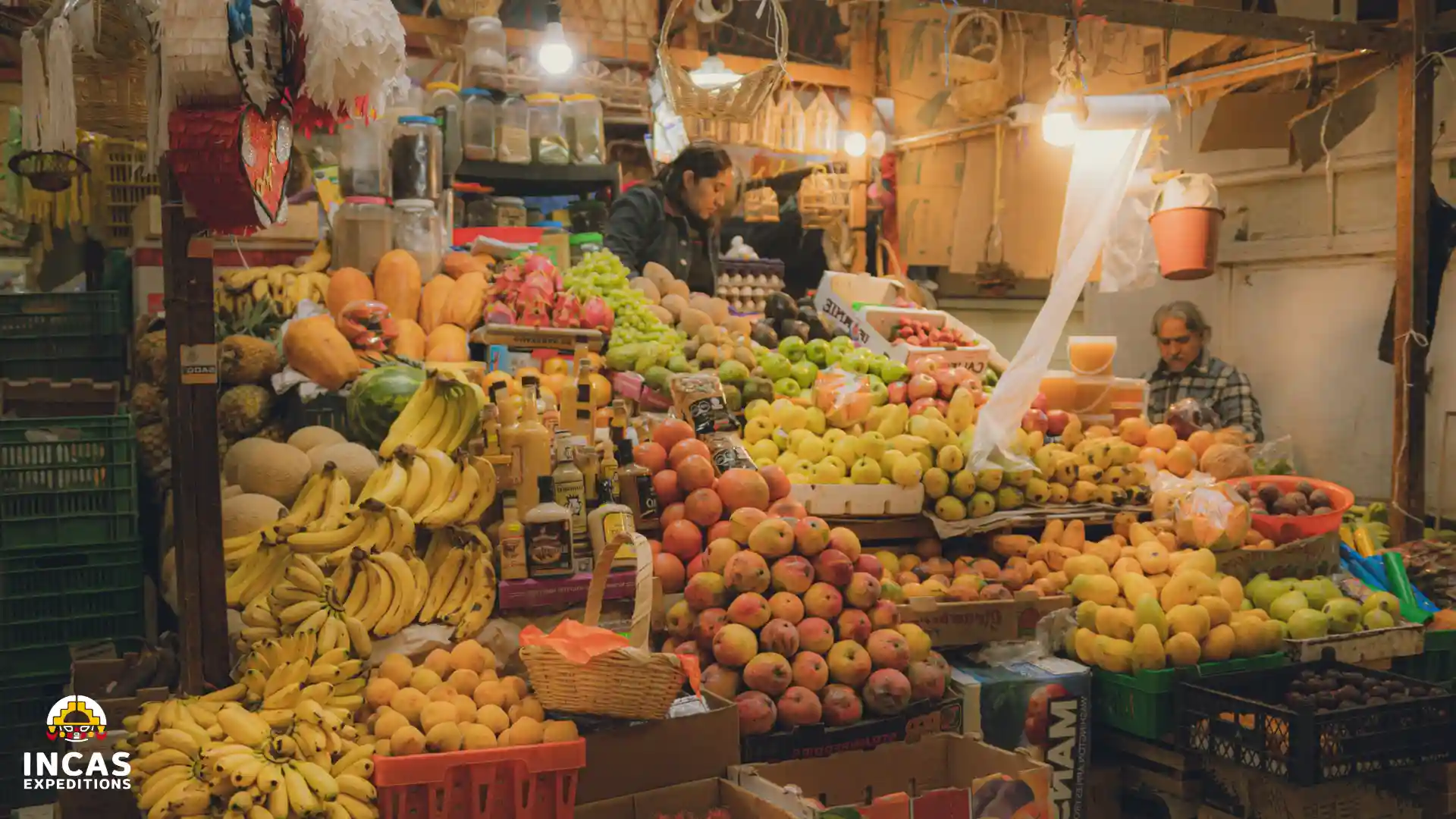
- Visit in the morning. Most markets are busiest early in the day, when fresh produce arrives and food stalls prepare breakfast and lunch.
- Carry cash. While some larger markets accept cards or digital payments, many small vendors only take cash, preferably in small bills.
- Ask before taking photos. Some vendors are happy to be photographed, but it is always polite to ask for permission first.
- Try local specialties. Don’t miss the opportunity to taste fresh fruit juices, traditional snacks or regional dishes prepared by local families.
- Bargain respectfully. Negotiating prices is common in handicraft sections, but it is less common for fresh food. Keep the conversation friendly and respectful.
- Keep your belongings secure. Markets are generally safe, but like any busy public place, it is wise to keep valuables close and stay aware of your surroundings.
- Support local businesses. Buying directly from artisans and local producers helps preserve traditional crafts and contributes to the local economy.
Frequently asked questions about markets in Peru
These Frequently asked questions about markets in Peru cover practical details travelers should know before visiting, including opening hours, payment methods, food safety, bargaining and photography.
1. What are the best markets to visit in Peru?
Some of the most popular markets include San Pedro Market in Cusco, Pisac Market in the Sacred Valley, San Camilo Market in Arequipa, Surquillo Market in Lima and Belén Market in Iquitos. Each offers a different experience based on the region’s food, crafts and local traditions.
2. What is the best time to visit a Peruvian market?
Morning is usually the best time to visit. Produce is fresher, food stalls are fully operating and the market atmosphere is more active. Many traditional markets begin closing sections during the afternoon.
3. Can tourists eat safely at local markets?
Yes, but it is advisable to choose busy stalls where food is prepared fresh and served hot. Travelers should drink bottled or properly treated water and be cautious with raw foods if they have a sensitive stomach.
4. Is bargaining common in Peruvian markets?
Bargaining is common in handicraft and souvenir sections, particularly in tourist destinations. However, it is not usually expected when buying food or everyday products. Negotiations should always be polite and reasonable.
5. Is it safe to visit markets in Peru?
Most markets are safe to visit during regular opening hours, but crowded areas can attract pickpockets. Keep your phone, wallet and camera secure, avoid displaying valuable items and remain aware of your surroundings.
6. Can I take photos inside a traditional market?
Photography is generally allowed, but visitors should ask vendors before photographing them, their stalls or traditional ceremonies. Some people may decline, and their decision should always be respected.
