



All Saints Day in Peru is one of the country’s most important celebrations, blending the Catholic faith with the ancestral traditions of the Andean peoples. During this day, Peruvian families pay tribute to their departed loved ones by visiting cemeteries, decorating graves with flowers and candles, and preparing special offerings. In various regions, tantawas (sweet breads shaped like children) are prominent, symbolizing the deceased.
The festivities are filled with music and color, with traditional dances such as the huayno and carnavalito. From the coast to the Andes and the jungle, this traditional holiday is celebrated. If you want to learn more about how this regional customs are celebrated, and the best ways to enjoy it, continue reading this article.
What is All Saints Day in Peru?
All Saints’ Day in Peru is celebrated on November 1st, honoring the saints and all deceased loved ones. It’s the start of a two-day festivity, kicking off before we hit the Day of the Dead on November 2nd. The holiday is super woven into Peruvian culture, mixing up Catholic stuff with old-school local ways, and it’s a time to think about and respect those who’ve passed on.
When is All Saints Day Peru?
This year, All Saints’ Day in Peru will be on Saturday, November 1st, 2025, and All Souls’ Day will be celebrated on Sunday, November 2nd, 2025. This holiday is part of Catholic traditions that honor both saints and deceased loved ones.
History of tradition
All Saints’ Day has its roots in Catholic tradition, a holiday dedicated to honoring all the saints and martyrs recognized by the Church. Its origins date back to the 8th century, when Pope Gregory III established November 1st as the day to venerate all the saints. Over time, this celebration spread throughout Europe and reached Latin America with the arrival of the Spanish conquistadors. In Peru, as in many countries in the region, the holiday merged with indigenous beliefs and the Andean worldview, giving rise to a celebration that not only honors Catholic saints, but also ancestors and the deceased.
You may be interested: The Lord of Miracles Peru 2025
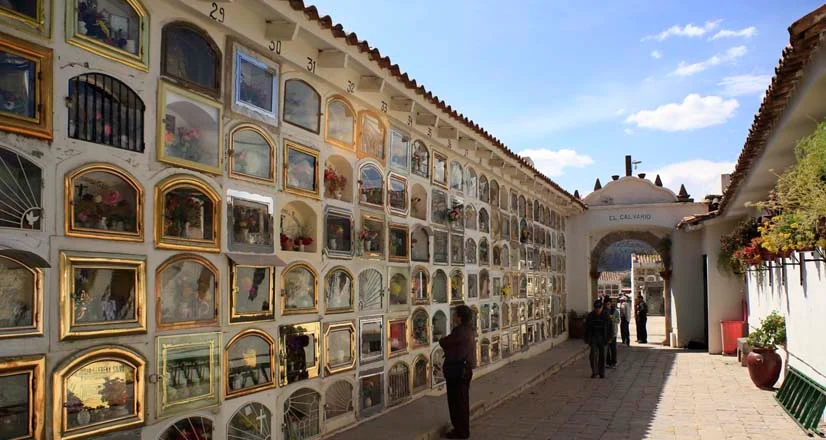
What is the difference between All Saints’ Day and the Day of the Dead in Peru?
All Saints’ Day in Peru is dedicated to honoring all saints and martyrs of the Catholic Church. On this day, many people visit cemeteries to pay tribute to their deceased loved ones, but saints are also remembered. Graves are decorated with flowers and candles, and in some areas, offerings of food and drinks that were favorites of the departed are prepared.
Day of the Dead, celebrated on November 2, is more personal and focused on honoring family members and friends who have passed away. It is a more intimate celebration, with families visiting cemeteries again and setting up altars at home with tanta wawa (bread shaped like human figures) and other foods. In some regions, like Cusco, traditional rituals are performed, while in Piura, children go out in special clothing to receive sweets. It is a time for reflection and connection with those who are no longer with us, celebrating their memory and strengthening family bonds.
How is celebrated the all Saints’ Day in Peru
In Peru, Todos Santos and Día de los Muertos (Day of the Dead) are deeply ingrained in the country’s culture, offering a blend of Catholic traditions and indigenous beliefs. The day is dedicated to honoring the saints and remembering deceased loved ones, creating a significant moment for families to come together and celebrate life.
Preparing offerings
Families prepare special offerings for the departed, often including food like tanta wawa, panes de muerto, chicha morada (a traditional purple corn drink), and fruits. These offerings are placed on graves or altars in homes, where families gather to celebrate and remember their loved ones. The belief is that these gifts welcome the spirits back, allowing them to feel connected with the living once more. It is a time for families to share food, stories, and memories, strengthening the bonds between the living and the dead.
Cemetery visits
A central tradition during these celebrations is the visit to the cemeteries, where Peruvians gather to pay respects to their deceased relatives. In cities like Lima, Cusco, and Arequipa, families adorn the graves with flowers, candles, and offerings such as tanta wawa (bread shaped like human figures) and panes de muerto. These offerings symbolize remembrance, with the belief that the spirits return to enjoy the gifts left for them. The visits to the cemeteries are often accompanied by music, dance, and prayers, creating a vibrant and respectful atmosphere. In Piura and Puno, the celebration is marked by rituals and ceremonies that blend Catholic and indigenous customs, honoring both the deceased and Pachamama, or Mother Earth.
Community Celebrations
Across Peru, the celebration extends beyond the cemeteries into community gatherings. In cities like Cusco and Arequipa, traditional Andean music and dance fill the air, with live performances of huayno, a popular folk music genre, often heard in cemeteries to honor the spirits. In some regions, especially in Piura, children dress in traditional clothing and go around the community receiving sweets, similar to other countries’ Day of the Dead traditions. These celebrations are also an opportunity for families to join processions and gather in plazas for shared meals and festivities, bringing together the community to celebrate both the deceased and the continuity of life.
The Virgin of Lourdes Cemetery
The Virgin of Lourdes Cemetery, or Nueva Esperanza Cemetery, located in the Villa María del Triunfo (VMT) district of Lima, is the largest cemetery in Latin America, covering approximately 90 hectares. With more than 2 million people buried there, this vast burial ground holds great historical and cultural significance in the region. During All Saints’ Day in Peru, more than 100,000 people visit the cemetery to pay tribute to their loved ones, placing flowers, candles, and offerings, making it one of the most visited sites during the holiday in Lima.
You may be interested: All about Inca language and writing
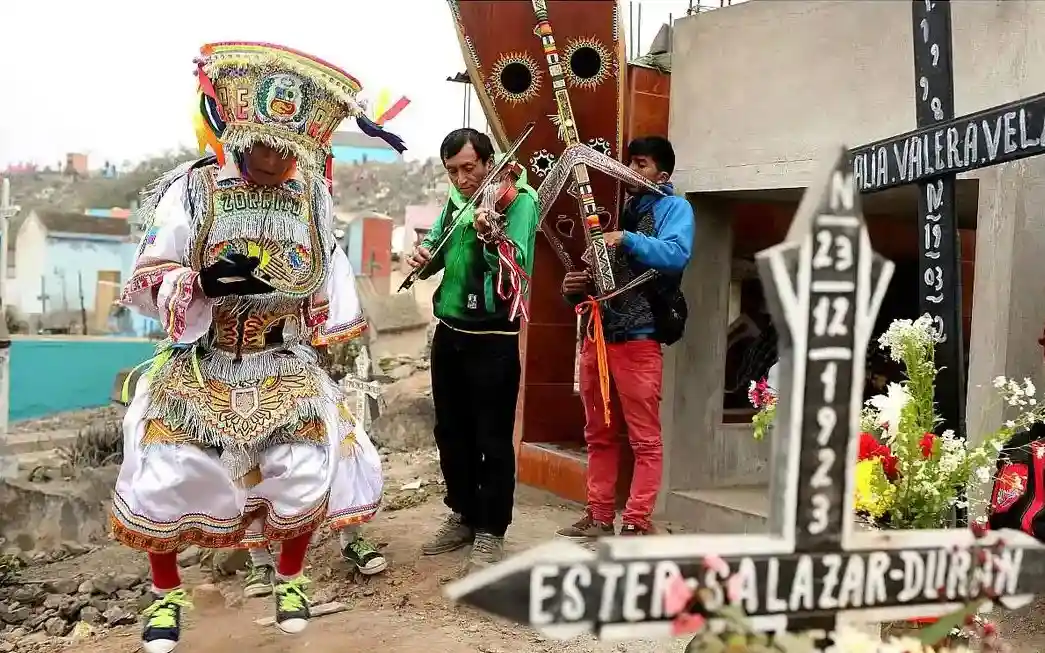
Music and colors in the cemeteries
Why do peruvians celebrate with music and parties in cemeteries? In Peru, music and color are essential elements during the Día de Todos los Santos (All Saints’ Day in Peru) and Día de los Difuntos (Day of the Dead). These traditions stem from a unique blend of Catholic beliefs and Andean cultural practices, creating a celebration that is both solemn and festive.
The role of music and dance
In many parts of Peru, especially in Cusco, Arequipa, and Piura, live bands and traditional musicians perform at cemeteries during these commemorations. The music, which often includes Andean rhythms such as huayno and carnavalito, serves as a bridge between the living and the dead, celebrating the spirits of those who have passed away while inviting joy and remembrance. It’s believed that the music helps connect the realms of the living and the dead, providing a sense of peace and comfort to the souls of the deceased. Additionally, some families hire local performers to accompany them during cemetery visits, turning the event into a social gathering, filled with reflection and celebration.
The celebration of life and death
While Día de Todos los Santos is a time for honoring the saints and remembering loved ones, Día de los Difuntos is specifically dedicated to the deceased. In Peru, death is not viewed as something to fear, but rather as a transition, and therefore, the deceased are celebrated. This cultural outlook reflects the Andean worldview, where the spirits of ancestors are believed to remain active in the lives of their descendants. The music and color in cemeteries represent the joy of this reunion between the living and the dead.
You may be interested: Visiting Cusco in October
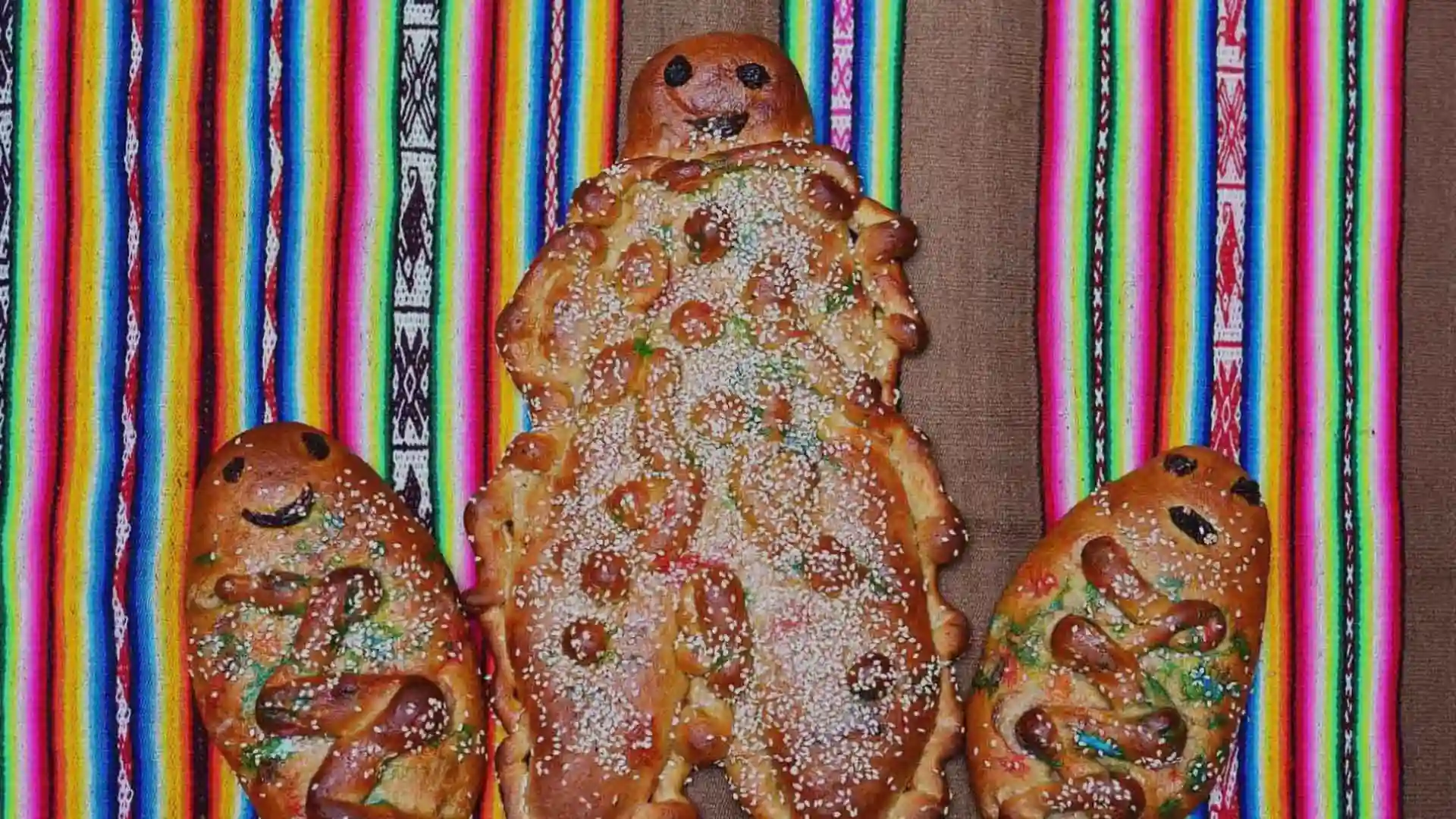
Gastronomy during All Saints Day in Peru
The Feast of All Saints in Peru is celebrated on November 1 and 2 in Peru, is a holiday deeply rooted in the country’s religious and cultural tradition. It is a time when communities, both in large cities and rural towns, come together to pay tribute to the deceased, blending Catholic beliefs with ancestral Andean customs. One of the highlights of this celebration is the cuisine, which varies by region but always has a strong connection to tradition, the memory of loved ones, and gratitude to Pachamama (Mother Earth).
How is it celebrated in the different regions of Peru?
Cusco, Cajamarca, Ancash: Traditional dishes such as roast pork and tamales are prepared and offered in cemeteries or on family altars. These dishes are especially popular on the Day of the Dead, when families gather to share a meal and remember the deceased.
This tradition is deeply rooted in Andean culture and can be experienced in regions like Cusco, Cajamarca, and Ancash, especially during peak tourism seasons like the celebrations surrounding the Inca Trail 4 days trek. As you explore these cultural hubs, you’ll not only discover the rich history but also the vibrant culinary traditions that make this time of year so special.
Puno: In Puno, it is common to cook chancho al palo (roasted pork on a stick) accompanied by tantawawas, traditional sweet breads shaped like children, which are offered as offerings. Special rituals are also celebrated in the region, combining music, dance, and food.
Arequipa: In Arequipa, the baptism of the wawa is served. This is a bread shaped like a baby, with a plaster face, filled with manjar blanco (white manjar) and topped with meringue. This specialty is offered to godparents or close relatives during the festivities. Other sweet breads and dried fruits are also prepared.
Ayacucho and Huanta: Breakfast in Ayacucho and Huanta includes chaplas (round breads) and tantawawas, accompanied by serrano cheese. In the afternoon, spicy guinea pig stew, a traditional dish from the region, is served. Ayacucho is especially known for having the best bread ovens in the country, which gives it great importance in the gastronomic celebrations of these days.
Huancavelica: In Huancavelica, the traditional Pachamanca a la olla (pot) is prepared, a family-cooked dish that includes meat, potatoes, yuca, and other ingredients. This dish symbolizes the connection with Pachamama and the abundance of the earth.
Lima: In Lima, the holiday has a more urban feel, but is equally special. Families visit the deceased in cemeteries, bringing flowers and participating in masses. In Lima’s bakeries, especially in the more traditional districts, sweet rolls and a wide variety of sweet breads are sold as an integral part of the offerings. Families also gather to share traditional meals and remember loved ones.
T’anta Wawa: The special bread
T’anta Wawa, also known as “wawa” (which means “baby” in Quechua), is a traditional Peruvian bread made especially for the Día de Todos los Santos (All Saints’ Day in Peru) and Día de los Muertos (Day of the Dead) celebrations. This sweet bread is shaped in the form of a baby or human figure, symbolizing the spirits of deceased children or ancestors. It’s one of the most iconic and significant foods associated with these festivities in Peru, reflecting the deep connection between the living and the dead.
How is T’anta Wawa made?
The Wawa is crafted using a sweet dough, similar to a brioche or pan dulce (sweet bread). The dough is kneaded and shaped into small figures, usually with a baby-like appearance, and sometimes decorated with colored sugar or icing. It can also be shaped as animals or other figures, depending on the region and the family’s customs.
The bread is often flavored with anise and sometimes infused with orange zest for extra fragrance and taste. The dough is left to rise before being baked to a soft, golden finish. Is often served with hot chocolate, chicha morada, or coffee, making it a comforting treat for families during their celebrations.
Symbolism and significance
The baby-shaped bread holds great symbolic value in Andean culture. The wawa represents the souls of deceased children, especially during All Saints’ Day in Peru and Day of the Dead. In some regions, it’s believed that offering the T’anta Wawa helps the spirits of children return to visit their families. The bread is also a symbol of renewal and rebirth, signifying the cycle of life and death.
You may be interested: Peru in the summer: 6 best places to visit
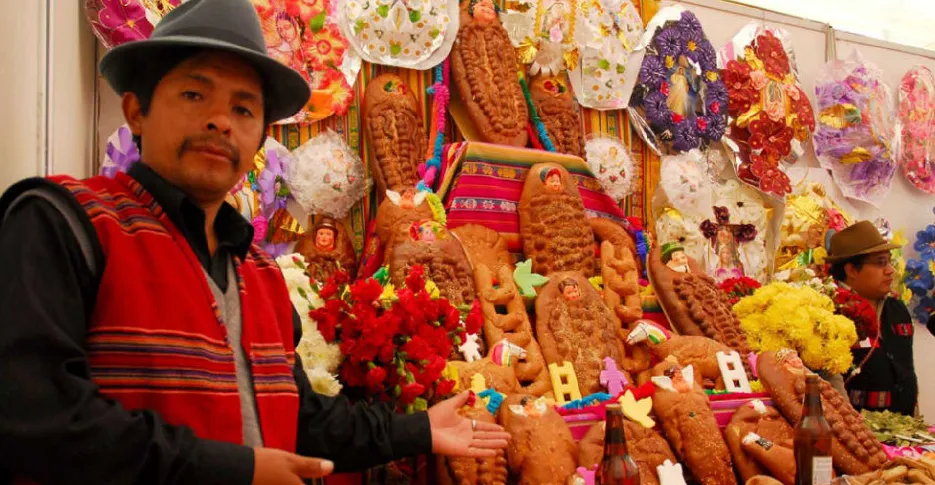
All Saints day celebrated in Cusco
All Saints’ Day in Cusco it’s a deep cultural celebration that blends Catholic traditions with Andean customs. Known as the “City of the Incas,” Cusco celebrates this day with a unique mix of solemn rituals and vibrant festivities, creating an atmosphere where the living and the spirits of the departed come together in honor and remembrance.
Visits to cemeteries and altars
On November 1st, the streets of Cusco come alive with people visiting the cemeteries to honor their deceased loved ones. Cemeteries like the one at San Sebastián become gathering points where families spend the day preparing offerings at their loved ones’ graves. These offerings often include T’anta Wawa, chicha morada, candles, and flowers. It’s a moment for reflection and remembrance.
Cusco festivities
What makes Cusco’s celebration of All Saints’ Day in Peru unique is its deep connection to Andean spirituality. In addition to Catholic rituals, many Cusqueños incorporate pagan rituals to honor Pachamama (Mother Earth) and the spirits of their ancestors. Families not only pray for their loved ones but also ask for blessings and protection from the spirits that are believed to roam during these days.
In rural areas of the Sacred Valley, Andean rituals and offerings to Pachamama are often part of the celebration. The Pachamama, believed to control the earth’s fertility, is honored with food offerings, music, and dances. The traditional Andean dances like Huayno are sometimes performed in the cemeteries or at altars, creating an uplifting yet respectful atmosphere.
Tips for visitors during All Saints Day in Peru
- Respect local customs by staying quiet and observing rituals.
- Arrive early to enjoy a quieter atmosphere and witness the preparations.
- Wear comfortable clothing and shoes, as you may walk long distances.
- Try traditional foods like T’anta Wawa and chicha morada.
- Visit local markets and altars for vibrant displays and crafts.
- Participate in rituals if invited, to connect with local culture.
- Stay hydrated and use sunscreen for sun protection.
- Be mindful of the emotional atmosphere, as it’s a time for reflection.
- Respect quiet moments during family ceremonies.
Curiosities about the Day of the Deceased in Peru
1. Serenades that cross time
In many Andean towns, families bring musicians to the cemeteries to play huaynos, carnavales or waltzes that their loved ones enjoyed in life. These serenades are not acts of sadness but of affection a way of keeping company with those who are no longer here.
2. Music that connects the living and the dead
The melodies of the charango and quena fill the air from early morning until nightfall. For many, these sounds help guide the spirits back to their homes, reminding everyone that music is a bridge that unites both worlds.
3. A night illuminated by faith
As dusk falls, cemeteries begin to shine with hundreds of candles. Families sit close together, share food, and whisper prayers while the wind carries the scent of flowers and incense. The flickering lights create an atmosphere of peace that seems to embrace every soul.
4. Ancient rituals that endure
In regions such as Ayacucho and Puno, families still perform small but meaningful rituals: pouring chicha on the ground as an offering, decorating graves with marigolds, or burning incense to purify the space. Each gesture keeps alive the ancestral belief that death is not an end, but a return.
5. Celebration of memory and togetherness
The Day of the Deceased in Peru is a reminder that remembrance can be full of music, laughter, and tenderness. It brings families together, blending faith and tradition in a way that honors life even in the presence of death.
You may be interested: Complete packing list for Peru 2026
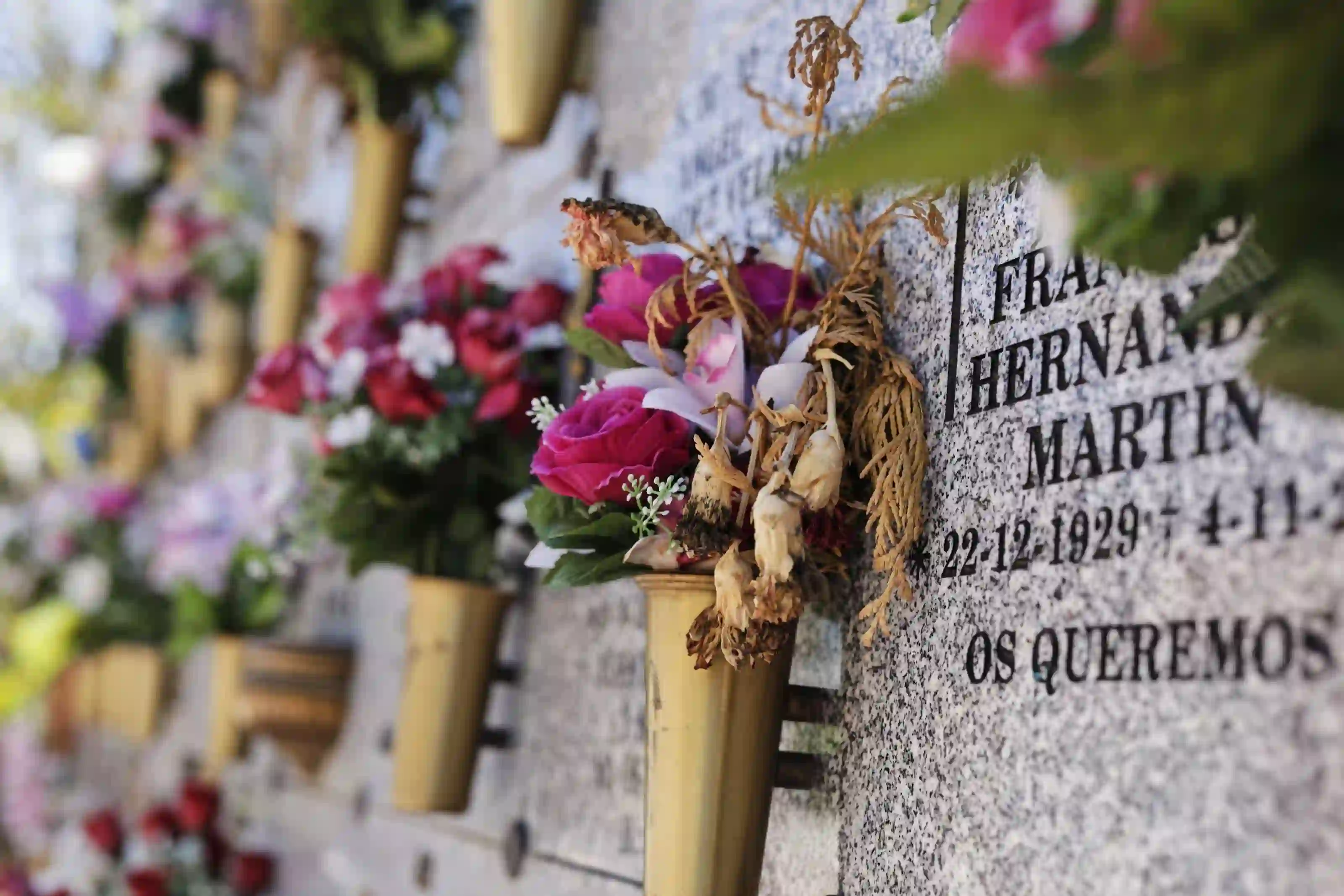
Celebrate the All Saints day Peru
The popular celebration of All Saints’ Day in Peru opens the door to unity with our deceased loved ones. During these holidays, families gather to honor their deceased, visiting cemeteries and preparing offerings with bread of the dead, flowers, and candles. It is a time of reflection and unity, where Catholic tradition merges with Andean customs, creating a unique atmosphere that reflects respect and affection for those who have passed away.
Tourism plays an important role in these celebrations, as many visitors are drawn to the rich culture and local traditions. All Saints’ Day is a perfect opportunity to experience being part of an authentic celebration, where culture, family, and spirituality intertwine, making this day a holiday that transcends generations.
