



Every July 28th, the streets of Peru are filled with color, music and pride as the country celebrates Independence Day in Peru, known locally as Fiestas Patrias, which commemorates the country’s liberation from Spanish rule after centuries of conquest, government and repression. From military parades to popular festivities celebrated all over Peru, we share with you today what you need to know to experience this amazing national holiday.
When is independence day in Peru?
Peru’s Independence Day is celebrated every July 28th, but it’s actually two national holidays: the 28th and 29th. The first commemorates the day José de San Martín proclaimed independence in 1821, marking the beginning of a new era for the country. The second is dedicated to the Armed Forces and the National Police, as a tribute to their work in defense of the nation.
Why is peruvian independence day so important?
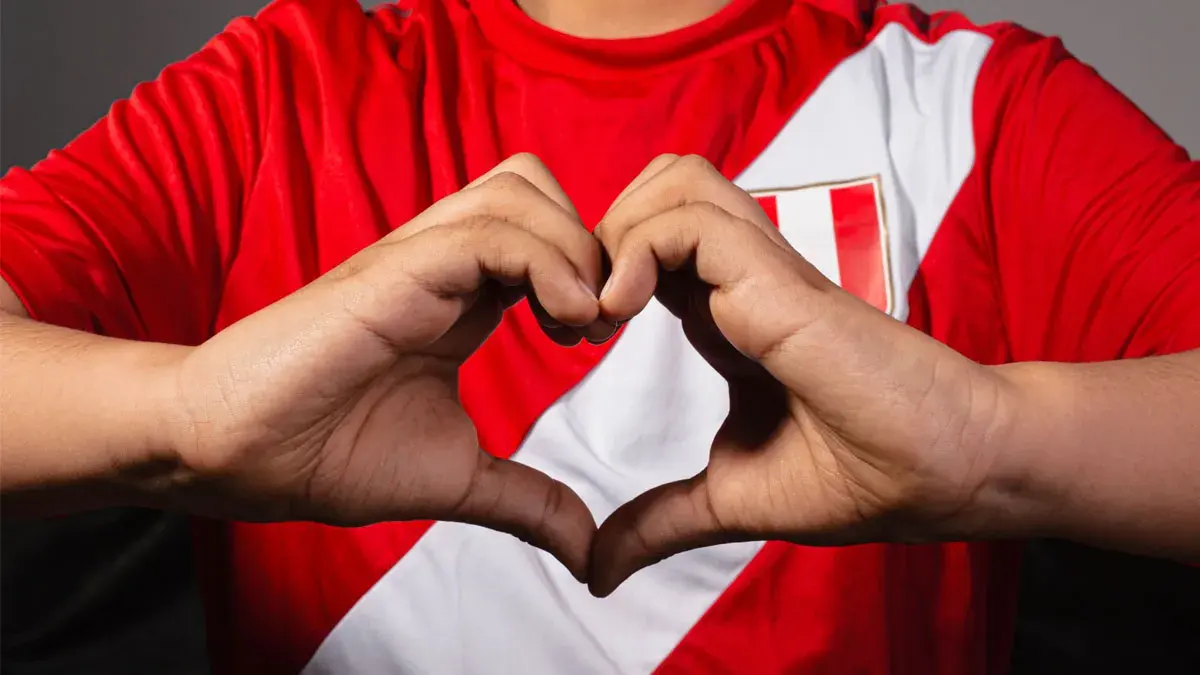
Independence Day in Peru is one of the most important dates of the year. Peruvian culture celebrates the rich culture to the tune of “contigo Perú” one of the most representative songs of our country, the atmosphere of joy that is lived in the streets, the banners placed in the houses and the festivities are memory of the heroes who fought for independence and our freedom.
It is a date that revives the courage of those who fought for a sovereign country, and at the same time celebrates what we are today, and as our national anthem says “We are free, let’s always be free”, so it is the perfect date to visit our country and visit the most representative sites of the national holidays.
History of independence day in Peru
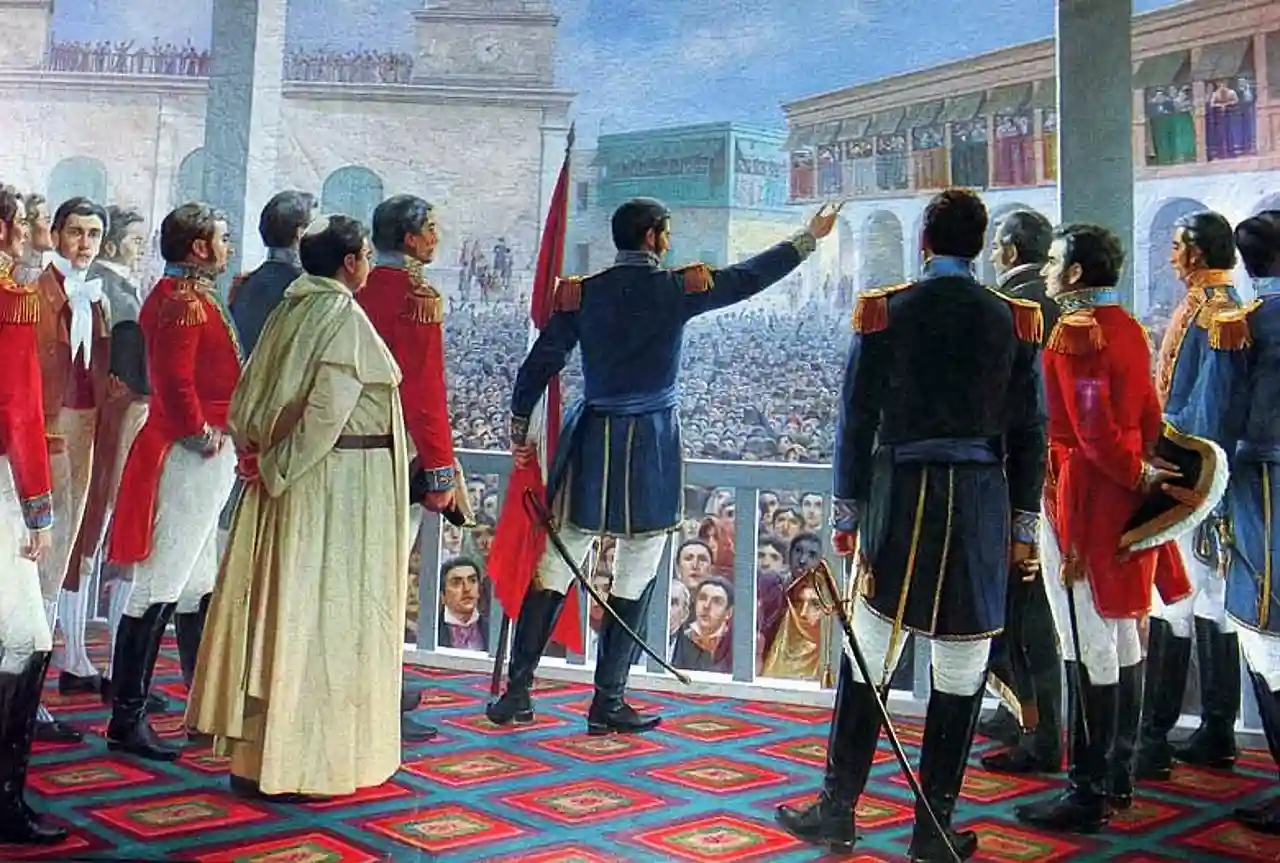
The independence of Peru was one of the most complex processes in Latin American history, because unlike other countries the seed of freedom nation from within in Peru the Spanish presence remained dominant, especially in Lima. It was necessary the support of external movements to take the definitive step. In 1820, José de San Martín landed on the Peruvian coast with the Liberation Army from Chile. After a campaign of negotiations and military pressure, he managed to enter Lima and on July 28, 1821, he proclaimed the independence of Peru in the Plaza Mayor, thus initiating a new republican stage.
However, the war did not end there. The royalist troops still controlled a good part of the territory. It was necessary the intervention of Simón Bolívar, who together with his army and the leadership of Antonio José de Sucre, confronted the royalists in the key battles of Junín (August 6, 1824) and Ayacucho (December 9, 1824). The latter definitively sealed Peru’s independence and marked the end of Spanish rule in South America. Since then, every July 28th, not only a proclamation is celebrated, but the collective effort to forge a free nation.
You may be interested: Huayna Picchu Stairs of death in Peru
Celebrate independence day in Peru
If you want to celebrate independence day in Peru as a Peruvian, you must know the traditions, food and culture that is lived in July, so join us to discover all the rich festivity for national holidays that is lived in every corner of the country. And if you are thinking of traveling to Peru in late July, get ready to live two intense days of excitement, music, tradition and flavor. Here we tell you why it’s worth it and how to live it from the inside.
Why celebrate the national holidays?
These dates are perfect to feel the patriotism of the country, just as in the United States they celebrate the 4th of July, Peruvians celebrate Independence Day with parties, food and fireworks.
- Cultural connection: There is no better time to understand the soul of Peru than during its national holidays. The whole country dresses in red and white, and the atmosphere becomes warmer, more joyful, closer.
- Local gastronomy: Restaurants, markets and homes bring out the best of their typical cuisine. It is an opportunity to try dishes that are not always available the rest of the year.
- Unique events: From military parades to free concerts, everything is designed to showcase the best of the country.
- Meaningful tourism: Visiting Peru during this date is also about supporting domestic tourism, learning about regional traditions and sharing with local communities.
Key days during national holidays in Peru
July 28th
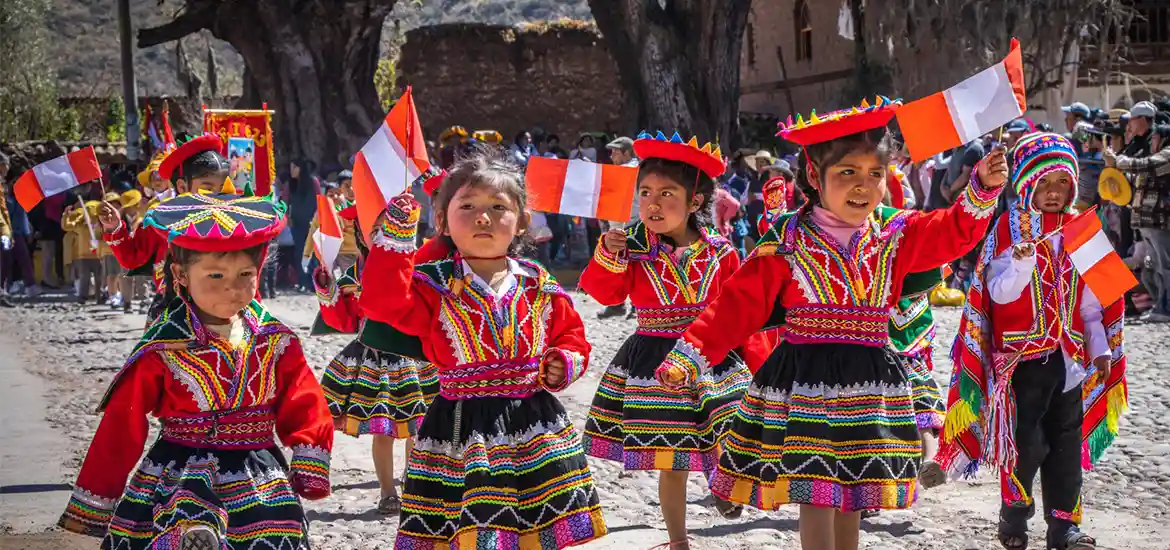
The 28th is the most symbolic day and commemorates the moment when José de San Martín declared the independence of Peru in Lima. In the morning, the traditional Mass and Te Deum are held, followed by the presidential message to the nation. The cities are filled with school parades, marching bands and civic activities.
At home, families gather for lunch and to watch the official broadcasts. It is common for everyone, including businesses, to hang the Peruvian flag high in the air. In some places, such as Lima, Cusco or Trujillo, cultural events, dances and gastronomic fairs are organized.
July 29
The second day of Fiestas Patrias is dedicated to the Armed Forces and the National Police. In Lima, the great Military Parade takes place, one of the most awaited events of the year, where equipment, discipline and national pride are shown. There are also masses, family gatherings and many people take the opportunity to travel or enjoy free events organized in squares and cultural centers.
You may be interested: Backpacking Peru Itinerary | The Ultimate Guide to exploring
Traditional food on peruvian independence day
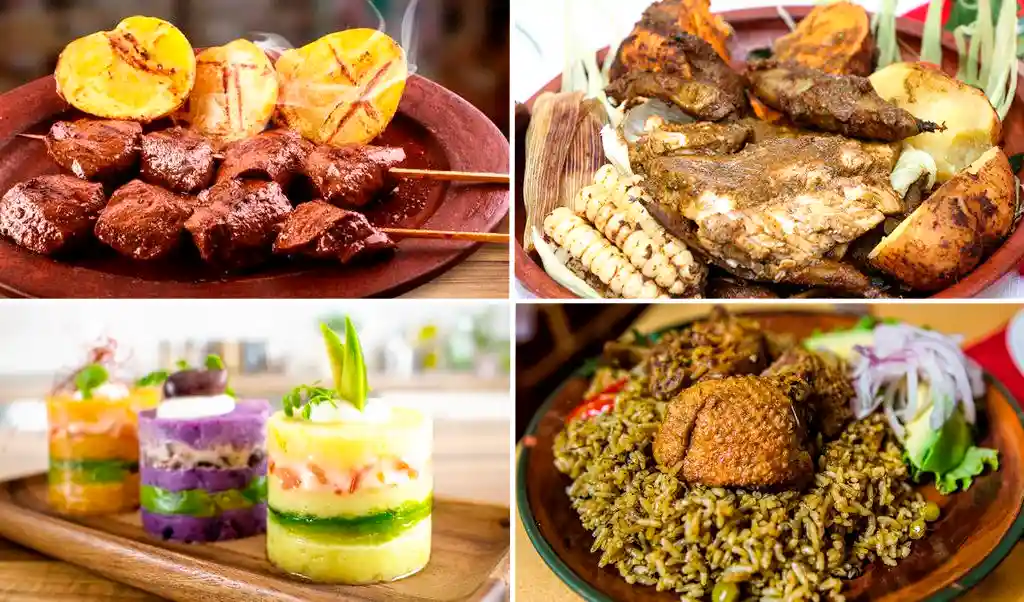
You’ve probably heard that Peruvian food is one of the best cuisines in the world and it’s true! If you visit Peru during national holidays you must try the local food which is one of the greatest pleasures when celebrating Independence Day in Peru. Here are the typical foods that you can enjoy during these dates.
Anticuchos
These are skewers of beef heart marinated in panca chili, garlic, and vinegar, grilled and served with potatoes and corn. Their smoky and spicy flavor makes them one of the most popular dishes on festive nights.
Ceviche
Peru’s signature dish. It’s prepared with fresh fish marinated in lemon juice, red onion, chili, sweet potato, and corn. Refreshing and full of character, it’s the perfect start to a patriotic lunch.
Ají de gallina
A creamy stew made with shredded chicken, soaked bread, milk, cheese, and yellow chili. It’s served with white rice and boiled potatoes. It’s comforting and a staple on family tables during these holidays.
Papa a la huancaína
Boiled potatoes accompanied by a thick sauce of yellow chili, fresh cheese, and milk. Served cold with a hard-boiled egg and olives. It’s a classic and beloved appetizer.
Pachamanca
More than a dish, it’s an experience. A mixture of meats, potatoes, beans, and humitas (small corn tortillas) seasoned with Andean herbs is cooked underground with hot stones. It’s common at celebrations in rural areas and reveals the ancestral connection with the land.
Chancho al palo
Pork slowly roasted over a fire, crispy on the outside and juicy on the inside. Originally from Huaral, it has become popular throughout the country during Fiestas Patrias (National Holidays), especially at food fairs.
Peruvian Tamales
Corn dough filled with meat, olives, and chili, cooked in banana or corn leaves. They are usually served for breakfast on July 28th or as a starter for festive lunches.
Picarones
Fried donuts made with pumpkin and sweet potato dough, bathed in chancaca honey. They are sweet, crunchy, and absolutely addictive, ideal for closing a festive day.
Rice pudding and Mazamorra Morada
Two classic desserts that, served together, form the traditional “classic.” Rice pudding is creamy and spiced; mazamorra morada, made with purple corn and dried fruits, has a unique texture and a deep flavor of cinnamon and cloves.
Pisco Sour
The quintessential national cocktail. It’s made with pisco, lemon, egg white, and a touch of Angostura bitters. It’s the perfect toast to accompany the celebration, with that balance of strength, freshness, and tradition.
You may be interested: 17 Traditional Peru dances: A journey through Peruvian culture
Top places to celebrate Independence Day in Peru
If you’re planning a trip to Peru during Independence Day, you should know the best destinations where the most important celebrations take place. Although the entire country dresses in red and white, these places are representative of Peru and you can’t miss them.
1. Lima: The City of Kings
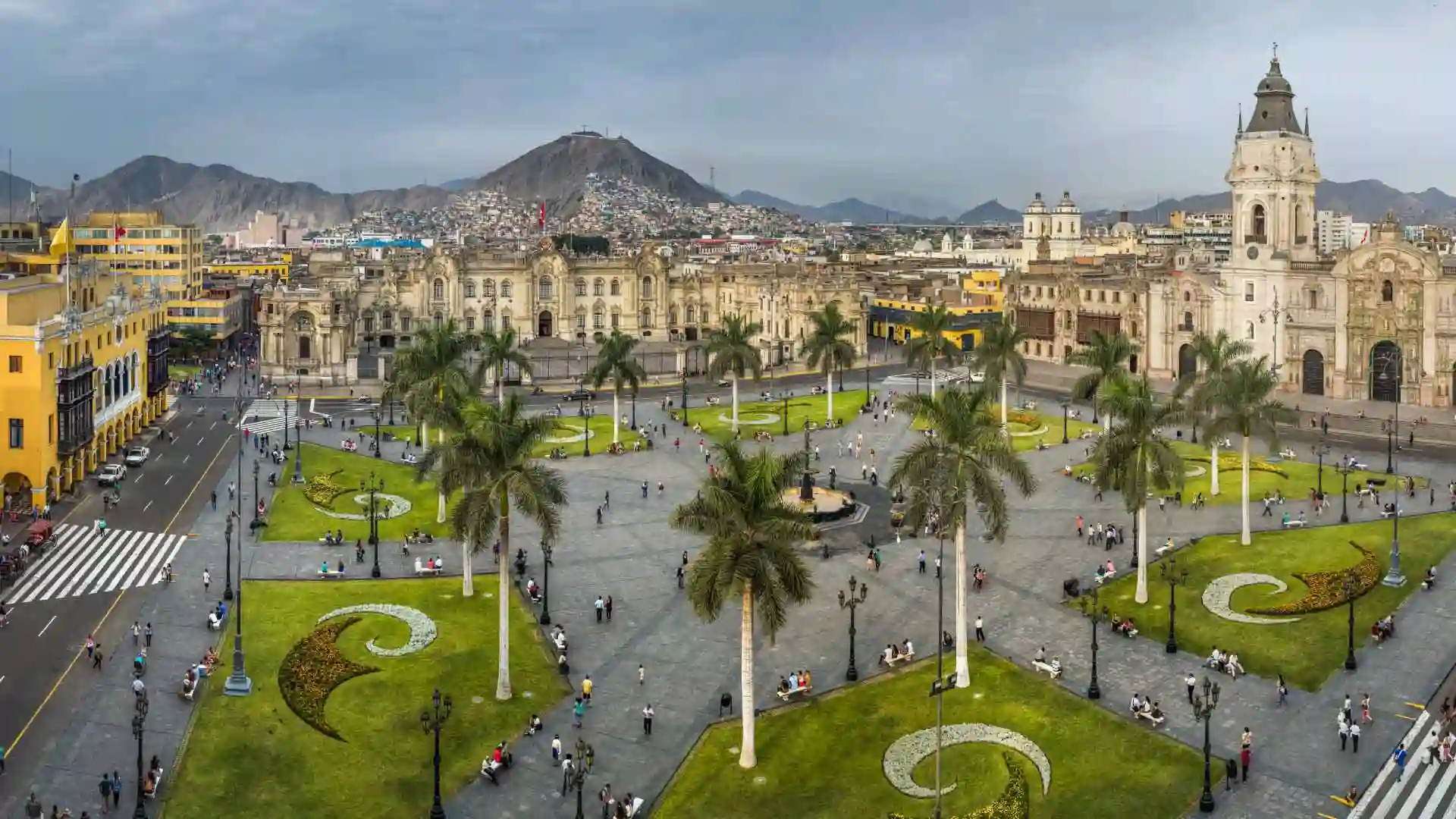
The capital is the epicenter of Independence Day in Peru. On July 28 and 29, the country’s most important events take place, such as the Te Deum Mass, the presidential address, and, above all, the grand Military Parade on the 29th. Additionally, parks and plazas host free concerts, national fairs, and cultural activities. The historic center is filled with flags, decorated balconies, and musical groups. It’s the best place if you want to experience the official and symbolic dimension of the holiday.
You may be interested: San Juan Festival in Peru: The heart of amazonian culture
2. Cusco: The Imperial City
Although June is its most festive month, Cusco also strongly embraces the Fiestas Patrias. During Independence Day, the city offers traditional dances in the Plaza de Armas, food fairs, and cultural events that blend the Inca heritage with patriotic sentiment. It’s an ideal opportunity to see how Peruvian celebrations coexist with the ancestral roots of the Andes.

3. Trujillo: Music, Marinera, and Northern Fervor
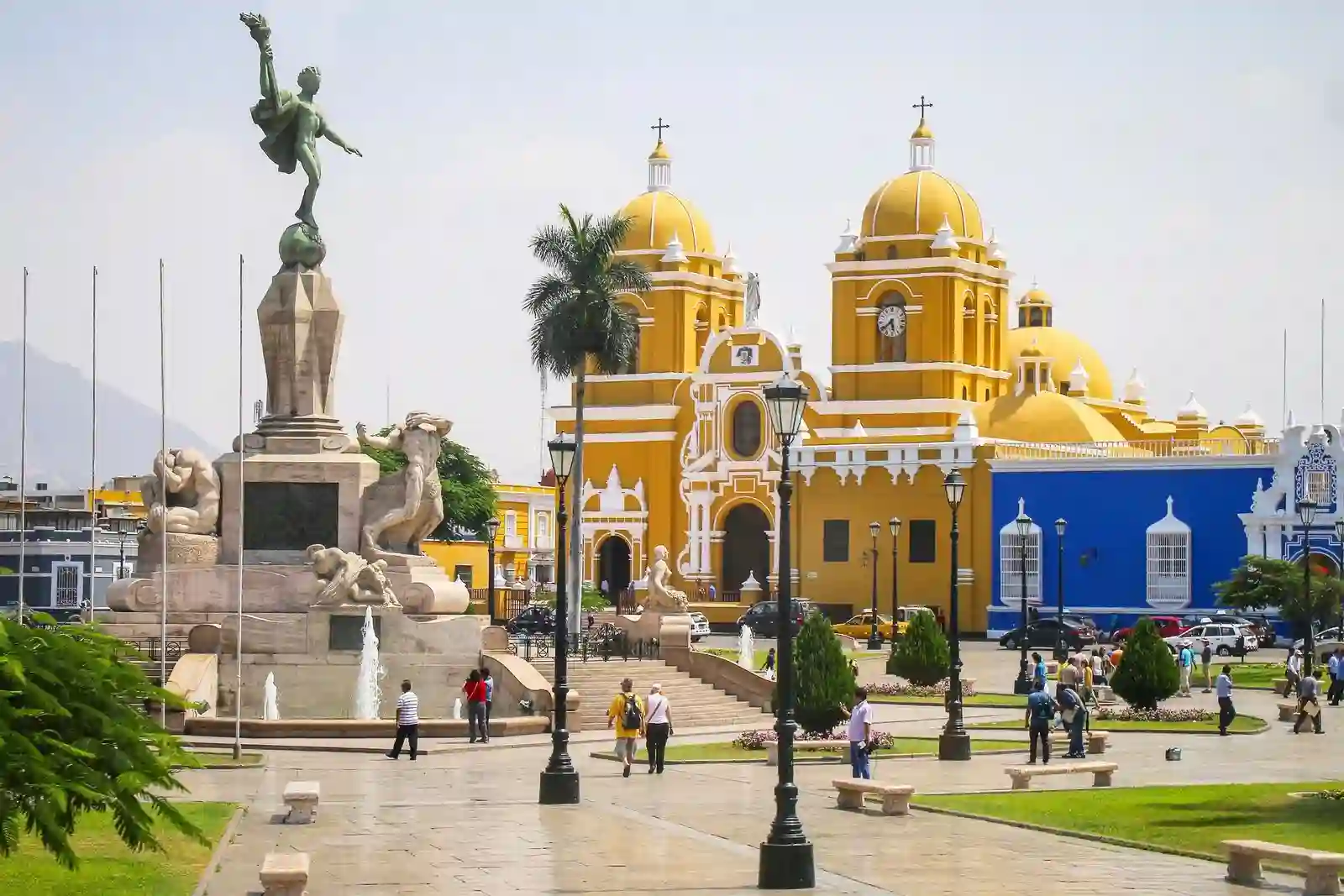
In the north of the country, Trujillo offers a vibrant and colorful way to experience Fiestas Patrias. The city, known as the capital of the marinera, combines its love of the national dance with civic celebrations, school parades, and Creole concerts. The downtown streets come alive, and families gather to enjoy the local cuisine and pay homage to the rhythm of the cajón and guitar.
4. Arequipa: The White City
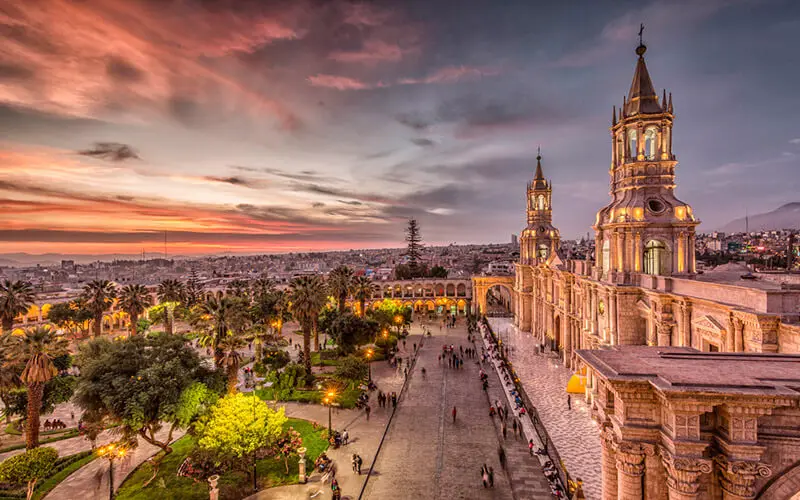
Known as the White City, Arequipa has a strong regional identity, which is reflected in how it celebrates its independence. The colonial plazas are filled with civic activities, school parades, and open-air concerts. In addition, its traditional cuisine shines with typical dishes on every corner. The celebration has a festive yet family-oriented atmosphere, closely tied to local customs.
5. Peruvian Amazon (Iquitos or Puerto Maldonado)
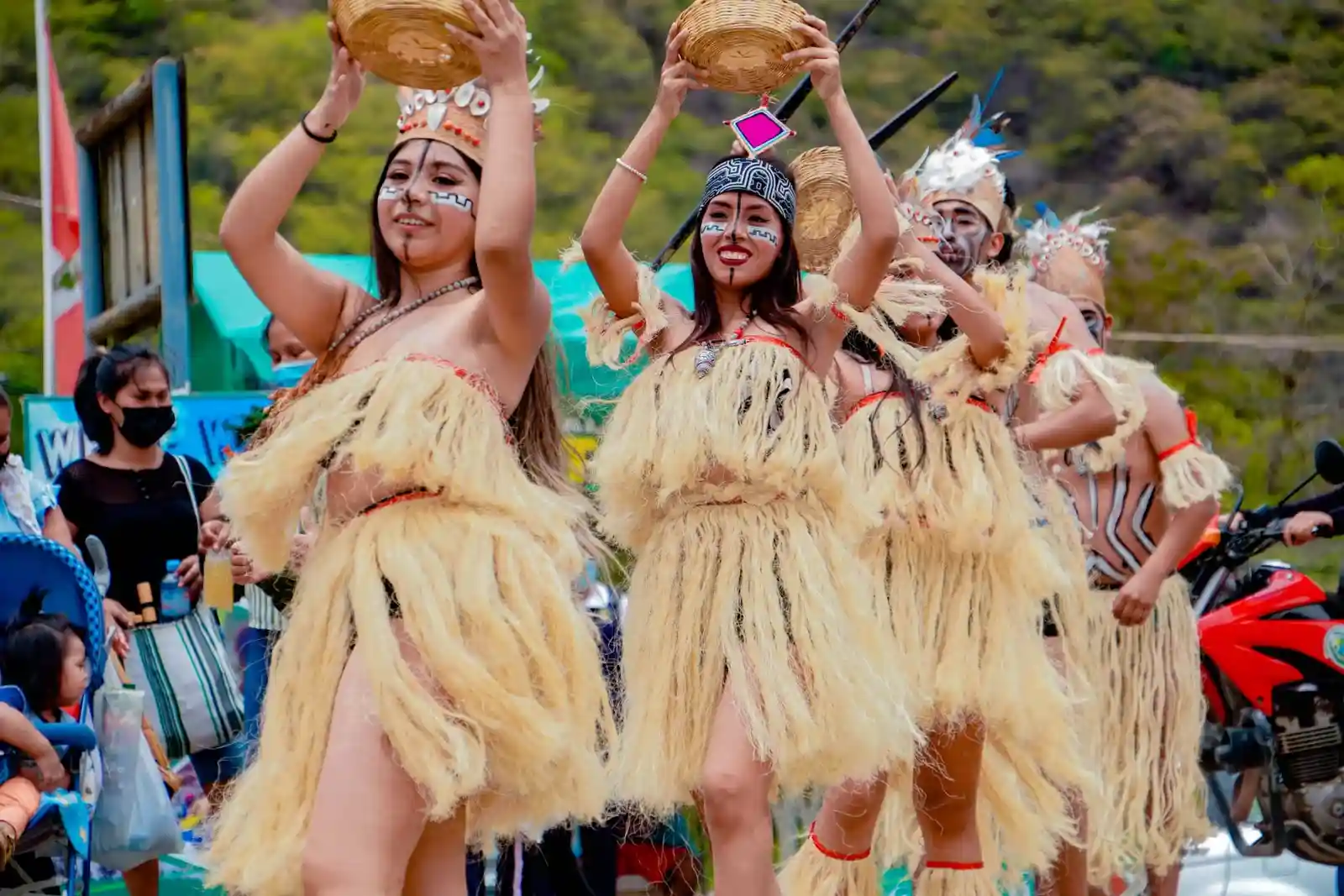
Exploring the jungle is like entering another world. Endless rivers, unfamiliar sounds, and a biodiversity that reminds you how small life is compared to nature. Whether in sustainable lodges or sailing by boat, the Amazon transforms you.
Independence day in Lima
The capital is the epicenter of Independence Day in Peru par excellence. On July 28 and 29, the most important events in the country take place, such as the Te Deum Mass, the presidential message and, above all, the great Military Parade on July 29. In addition, parks and squares host free concerts, patriotic fairs and cultural activities. Undoubtedly the most representative place is the historic center of Lima where the independence was proclaimed.
Places to visit
- The Convent of San Francisco, in addition to its religious and architectural value, was a silent witness of secret meetings during the viceregal period. Its catacombs and library tell part of the unofficial history.
- The Balcony of Huaura, north of Lima, was the place where San Martin first proclaimed independence on November 27, 1820. Although it is outside the center, many consider it a symbolic starting point of the process.
- The Cathedral of Lima, where the patriotic masses are celebrated, also keeps remains and memories of the transition from colony to republic. Its altars, crypts and museum tell stories that cross religious and political power.
- The Historic Center of Lima is the epicenter of the patriotic celebrations. The Plaza Mayor and its surroundings are filled with flags, security and visitors. It is common to see military bands, solemn masses and official acts.
- The Parque de la Exposición hosts Creole fairs, concerts and cultural exhibits. Ideal to spend the afternoon surrounded by music, traditional food and Lima families celebrating in their own way.
- The National Museum of Archaeology, Anthropology and History offers an educational and symbolic experience. It is the perfect place to understand the background of independence and see key historical artifacts.
- Parque Kennedy, in Miraflores, comes alive with craft fairs and food stalls. Although it is not an area for official events, there is a patriotic atmosphere among tourists and locals.
- The Magic Water Circuit is dressed in red and white at night. The illuminated fountains project patriotic images and music accompanies a familiar and emotional show.
You may be interested: Yawar festival in Peru : Complete Guide to the celebration
Planning tips for travelers
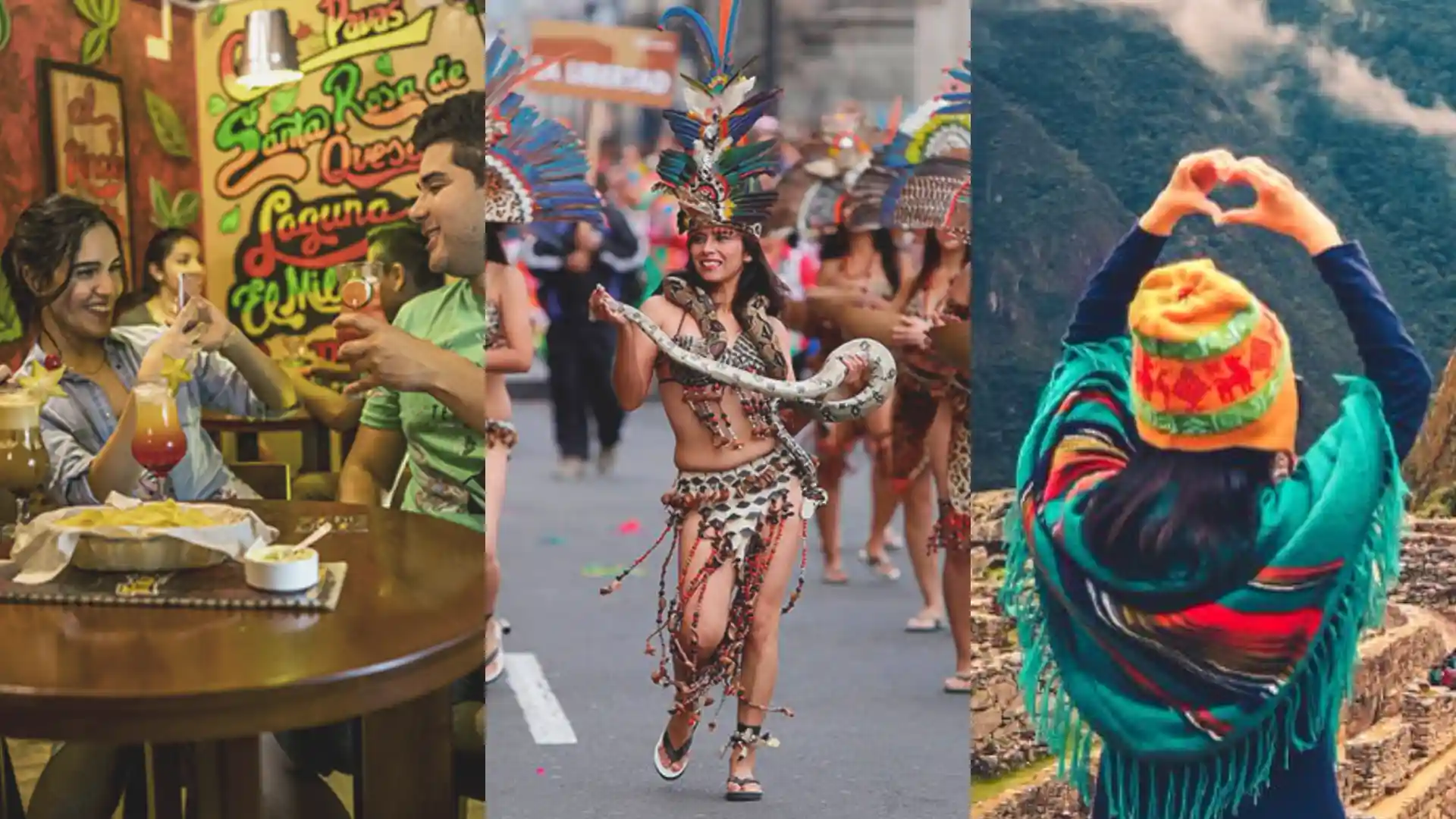
Traveling to Peru during the independence day in Peru can be an unforgettable experience, but it is also important to take into account some details to enjoy it to the fullest without setbacks.
First, plan ahead. July 28 and 29 are national holidays, which means that many people travel within the country. Airline tickets, hotels and tours usually sell out weeks in advance, so if you have definite dates, it is best to book early.
The weather varies quite a bit depending on the region. In Lima, for example, July is cold and humid, with gray skies most of the day. On the other hand, in Cusco or Arequipa you will find sunny days and cold nights. Pack in layers, take a good jacket, sunscreen and if you go to high altitudes, do not underestimate the cold.
During those days, many offices, banks and museums change their hours or close completely. It is a good idea to check in advance which places will be open and make a flexible itinerary that allows you to move around without depending on paperwork.
Finally, let yourself be carried away by the festive atmosphere. The cities are filled with Creole music, typical dishes and cultural expressions that can only be seen at this time of the year. Talk to the locals, try what you don’t know, listen to a live marinera. Beyond the monuments, the best memories you will take with you will be shared.
You may be interested: Inca culture in Peru: Discover the legacy that still lives today
The spirit of independence day in Peru
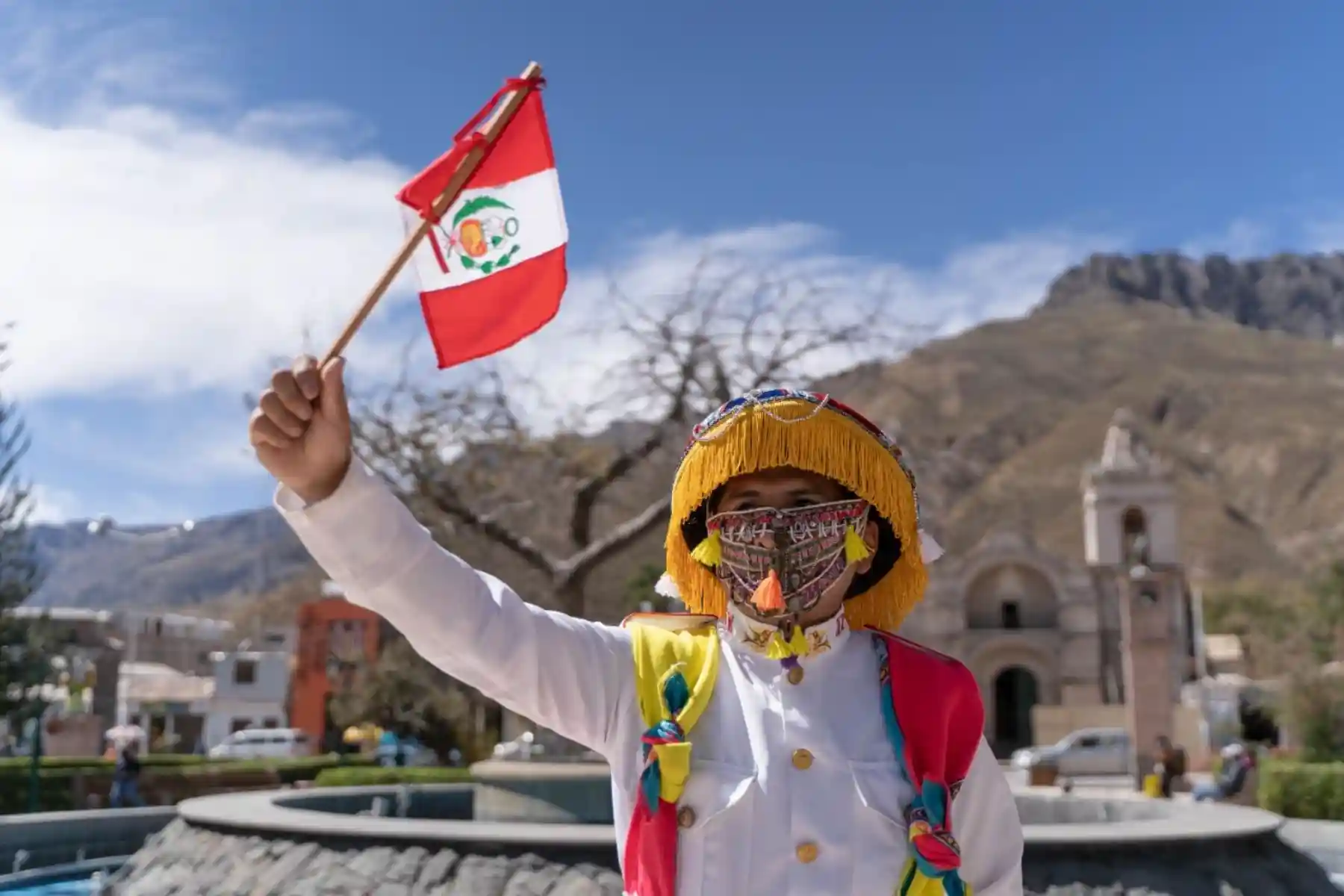
Long live Peru! The spirit of independence in Peru extends beyond its borders. Thousands of Peruvians abroad also celebrate the festivities wherever they are, and thousands of tourists visit the wonders of their ancestral country during these holidays. So wear your red and white shirt and feel the feeling that unites generations, regions, and different histories under a single identity. Traveling to Peru during these holidays is not only an opportunity to get to know the country, but to experience it from within, as its people celebrate not only the past, but also the strength of who they are today.
