



If you’re ready for the ultimate adventure, a Backpacking Peru Itinerary is the perfect way to experience this diverse and culturally rich country. Peru is a land of contrasts, from the ancient Inca ruins in the Andes to the lush, untamed wilderness of the Amazon rainforest. With a well-planned itinerary, you’ll get to hike the famous Inca Trail, immerse yourself in vibrant local cultures, and explore some of the most stunning landscapes on the planet. Whether you’re a seasoned traveler or a first-time backpacker, Peru offers a once-in-a-lifetime journey that blends history, nature, and adventure in one unforgettable trip. Let’s dive into everything you need to know to make the most out of your backpacking journey through Peru!
Best time to go backpacking in Peru
The best time to go backpacking in Peru depends on the region you want to visit, Peru is divided into 3 regions: coast, highlands and jungle. For most backpackers, the dry season, from May to September, is ideal. During these months, the weather is clear, with sunny days and cooler nights, making it perfect for hiking, trekking and exploring nature.
If your plan is to hike the short inca trail or visit Machu Picchu, the dry season offers the best conditions. However, keep in mind that it is high tourist season, so it can be crowded.
If you are more into jungle trekking and want to explore the Amazon rainforest, the best time to visit is also during the dry season (usually June to September), when rivers are lower and trails are more accessible. Keep in mind that the jungle can still be wet and rainy, but the weather is usually more stable during these months.
December to March is the rainy season, especially in the Andes and Machu Picchu, which can make hiking difficult due to muddy trails and cloud cover.
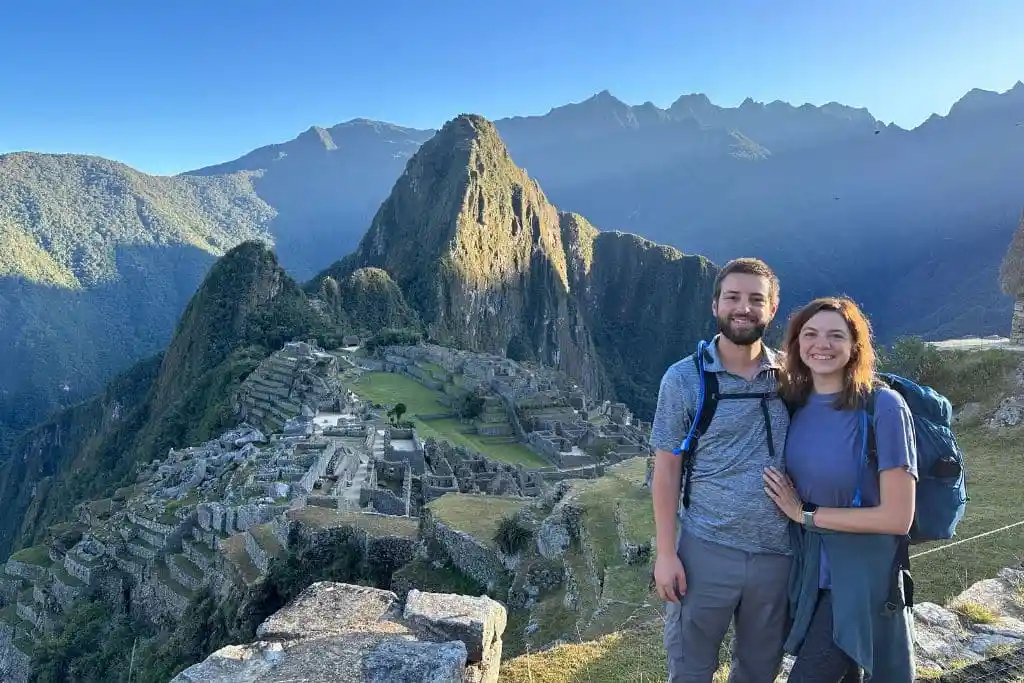
Backpacking Peru itinerary in 2026
Peru is a dream destination for backpackers from all over the world, why? This country offers unique experiences ranging from wildlife viewing in the Amazon, to exploring the traces of the Inca Empire in the majestic city of Cusco and the incomparable Machu Picchu. It is also one of the most economical South American countries to travel to, which is why we present the 17-day backpacking Peru itinerary. You will have the opportunity to immerse yourself in the rich biodiversity of the jungle, the heights of the Andes and the ancestral history that surrounds the country.
Days 1-3: Arrival in Lima and coastal exploration
Begin your adventure in Lima, the vibrant Peruvian capital, famous for its world-class cuisine and nightlife. Visit the Historic Center, home to iconic landmarks like the Plaza Mayor, the Cathedral, and the Plaza de Armas. Be sure to stroll through Barranco, the city’s bohemian neighborhood, known for its colorful streets and urban art. Also, enjoy dinner in Miraflores and sample renowned Peruvian cuisine at restaurants like Central or Maido.
How to Get There:
From Lima, if you’re arriving from abroad, you can fly into Jorge Chávez International Airport. Public transportation and taxis are readily available for getting around the city. If you’re in Peru, you can arrive by bus from other major cities like Arequipa or Cusco.
Days 4-6: Paracas and the Ballestas Islands
From Lima, take a bus to Paracas, a small coastal town famous for its National Reserve and the Ballestas Islands. On this excursion, you’ll observe a wide variety of marine life, including sea lions, Humboldt penguins, and numerous migratory birds. If you’re passionate about ecotourism, don’t miss a tour of the Paracas National Reserve, famous for its coastal desert and rock formations. Paracas is also the perfect place for kitesurfing and water sports.
How to get there:
From Lima, you can take a 3-4-hour bus to Paracas, which is the most common way to get there. You can also rent a car or take an organized tour.
Days 7-10: Cusco and the Sacred Valley
From Lima, take a flight to Cusco, the ancient capital of the Inca Empire. Here you can explore the Temple of the Sun, or Qorikancha, and the Plaza de Armas. The next day, head to the Sacred Valley of the Incas and visit the ruins of Ollantaytambo, known for its impressive agricultural terraces, and the town of Pisac, famous for its artisan market and Inca ruins. If you’re passionate about trekking, you can hike the salkantay trekking or the Inca Trail, which will take you directly to Machu Picchu.
How to get there:
From Lima, take a flight to Cusco, which will take approximately 1 hour. You can also arrive by bus, but the journey is long (approximately 20 hours). In Cusco, you can easily get around on foot or take taxis.
Day 11-13: Machu Picchu
From Ollantaytambo, you should take the popular train to Aguas Calientes, a town at the foot of Machu Picchu. If you have the time and energy, you can depart via the short inca trail with camping and still arrive directly to Machu Picchu via the more famous route. For a faster option, you can take the train directly to the entrance of Machu Picchu. Be sure to arrive early to explore the ruins without the crowds, and hire a local guide who will share valuable stories about the history of this incredible archaeological site. If you have time, climb to the Sun Gate for a stunning panoramic view of Machu Picchu.
How to get there:
From Cusco, you can take the train to Aguas Calientes (the closest town to Machu Picchu) for a journey of approximately 3-4 hours. Alternatively, you can hike the Inca Trail if you decide to undertake a multi-day trek.
Day 14-15: Amazon
From Cusco, you can take a flight to Iquitos or Puerto Maldonado, key points for accessing the Peruvian Amazon. In this natural paradise, you can take a guided tour along the Amazon River, where you can see pink dolphins, monkeys, and a wide variety of Amazonian fauna and flora. If you prefer a more immersive experience, staying in an eco-lodge will allow you to learn more about local life and enjoy unspoiled nature. These jungle lodges offer guided tours and activities such as jungle hikes and birdwatching.
How to get there:
From Cusco or Lima, take a flight to Iquitos or Puerto Maldonado. These are the main gateways to the Peruvian Amazon.
Day 16-17: Arequipa and the Colca Canyon
To conclude your trip, travel south to Arequipa, known for its impressive colonial architecture and the Colca Canyon, one of the deepest canyons in the world. Trek through the canyon and enjoy its breathtaking landscapes. If you are a nature lover, watching Andean condors soar above the canyon is a unique experience. Arequipa also offers delicious cuisine, known for typical dishes such as stuffed rocoto and shrimp soup.
How to get there:
From Lima, you can take a flight to Arequipa or travel by bus (approximately 16 hours). From Arequipa, you can take a bus to Chivay and then continue to the Colca Canyon.
You may be interested: Yawar festival in Peru : Complete Guide to the celebration
How much does a backpacking trip cost in Peru?
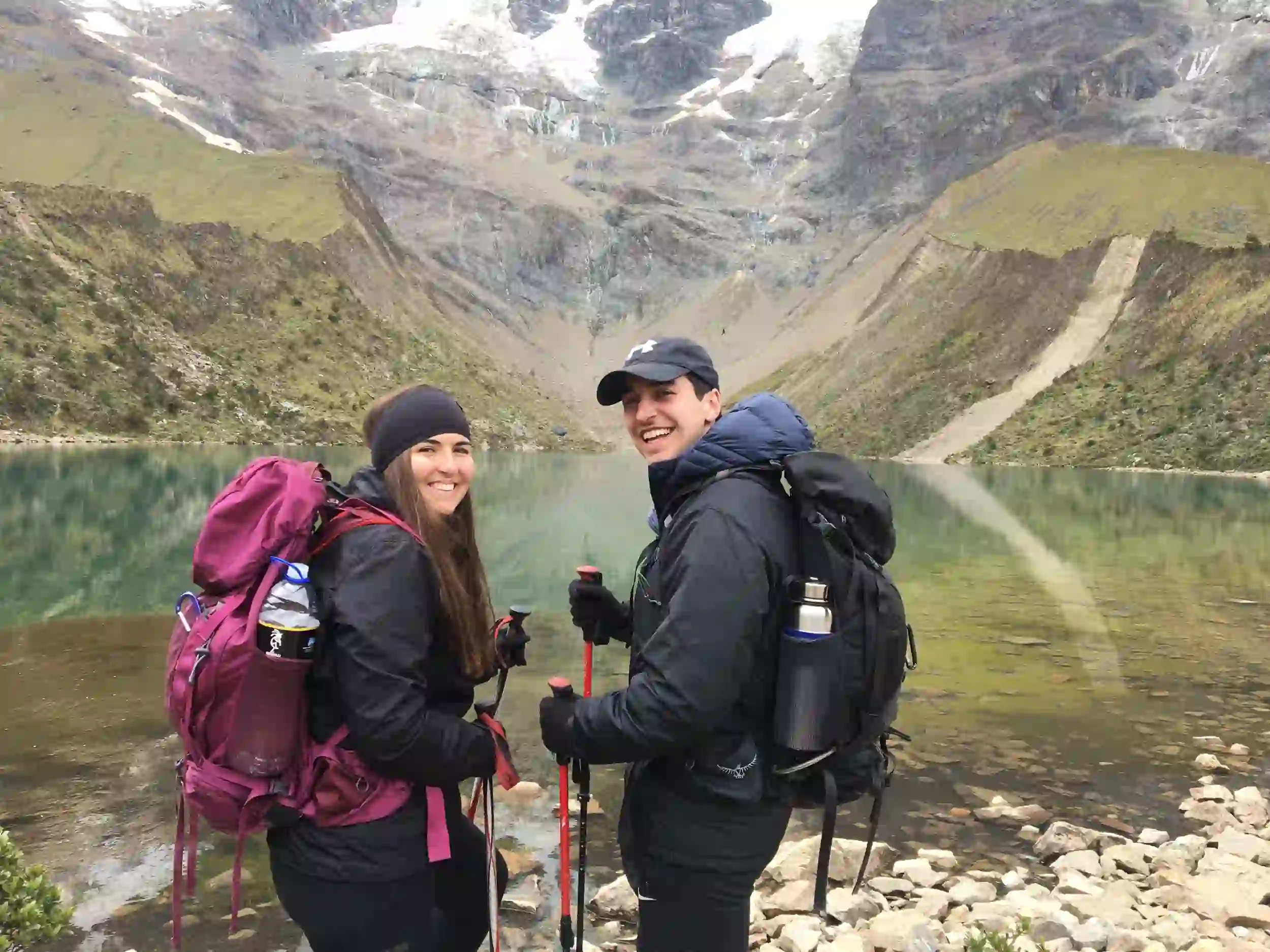
Peru is known for being one of the most affordable destinations for backpackers in South America, offering plenty of budget-friendly options.
Average daily budget
- Low Budget: $20 – $30 USD per day. This budget includes basic accommodation (hostels), street food, public transportation, and free or low-cost activities like hiking or visiting free museums.
- Mid Budget: $40 – $60 USD per day. This budget allows for slightly more comfort, including private rooms in hostels, occasional meals at restaurants, and tours or guided hikes.
- High Budget: $70 – $100+ USD per day. For this range, you can stay in comfortable hotels, dine at more upscale restaurants, and book guided tours, including multi-day treks like the Inca Trail.
Breakdown of costs
- Accommodation: Hostels range from $10 to $30 USD per night in popular cities like Cusco or Lima. Private rooms in mid-range hotels cost around $30 to $50 USD.
- Food: Street food is affordable, with meals costing as little as $2 to $5 USD. A meal at a budget restaurant may cost around $6 to $10 USD, and dining at higher-end restaurants will cost $15 to $30 USD per person.
- Transportation: Public transportation is inexpensive. A bus ride in cities like Lima or Cusco costs around $0.50 to $1 USD. For intercity travel, long-distance buses cost between $10 to $30 USD, depending on the distance and class.
- Activities and Tours: Entry to attractions like Machu Picchu and the Sacred Valley can range from $10 to $50 USD. The Inca Trail permits alone cost around $70 USD per person, while multi-day tours (including permits, transport, and a guide) can cost between $400 and $700 USD.
You may be interested: Inca culture in Peru: Discover the legacy that still lives today
What to do in Peru for 2 weeks
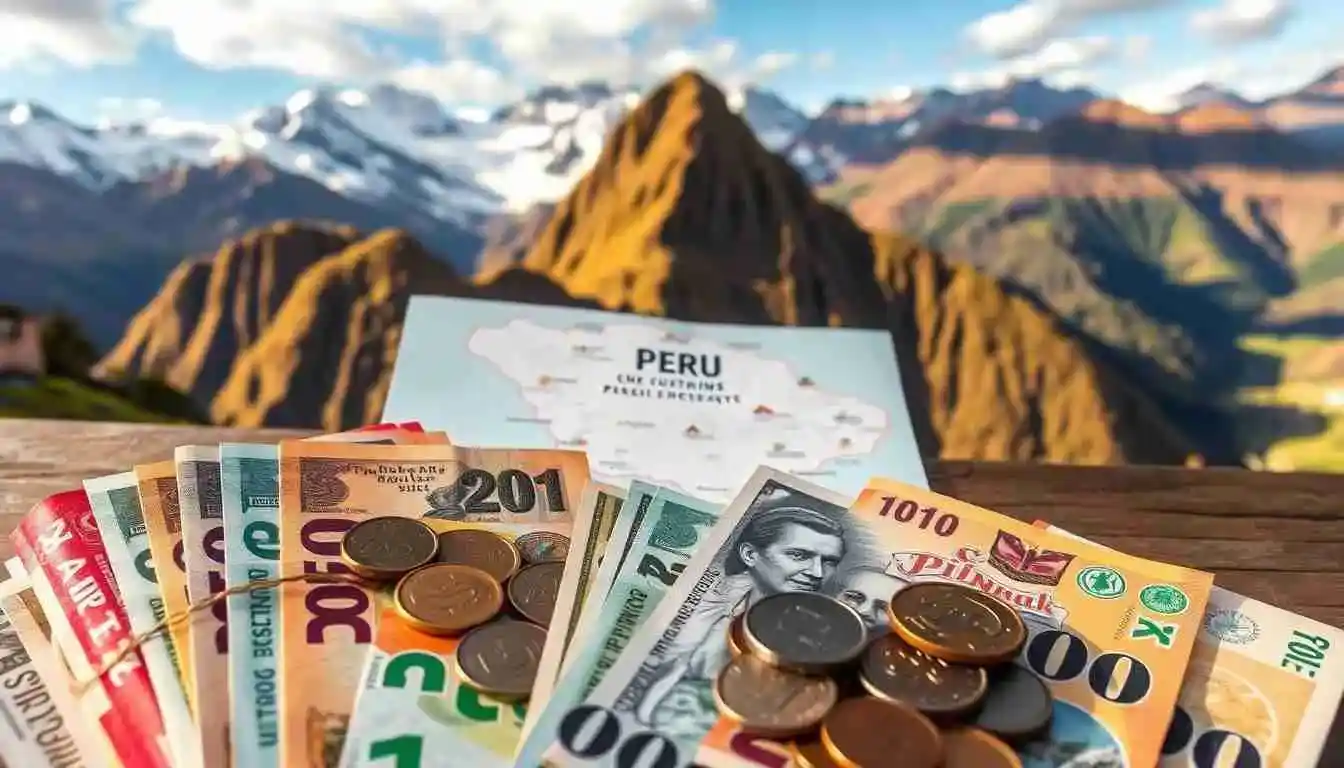
If you have two weeks to explore Peru, you’re in for an unforgettable adventure. This itinerary is perfect for those wanting to experience the country’s rich culture, history, and natural beauty. Start your journey in Lima, where you can immerse yourself in the city’s vibrant culinary scene and explore the historic district. From there, head to Cusco to acclimatize and dive into the Incan culture. Spend a few days trekking the Inca Trail to Machu Picchu, one of the Seven Wonders of the World. Afterward, take some time to explore the Sacred Valley and visit the traditional towns of Ollantaytambo and Pisac.
Next, head into the Amazon Rainforest for a true wildlife adventure. Stay in a lodge in Puerto Maldonado or Iquitos, where you can enjoy jungle hikes, river cruises, and wildlife spotting. Wrap up your trip in Arequipa with a visit to the Colca Canyon, one of the deepest canyons in the world, where you can witness the majestic Andean condor.
Backpacking Peru itinerary tips
- Plan Your Route: Organize your trip to balance time between cities, nature, and culture, ensuring smooth connections between destinations.
- Acclimatize to Altitude: Spend a couple of days in Cusco or other high-altitude locations to adjust and avoid altitude sickness before heading to Machu Picchu.
- Pack Light but Smart: Bring essential gear like sturdy shoes, a rain jacket, sunscreen, and insect repellent, but keep your backpack light for ease of travel.
- Travel Sustainably: Support local businesses, use eco-friendly products, and minimize plastic waste by carrying a reusable water bottle.
- Stay Safe and Respect the Culture: Be cautious with your valuables, avoid isolated areas at night, and embrace Peru’s rich cultural heritage with respect.
You may be interested: 17 Traditional Peru dances: A journey through Peruvian culture
What to pack for backpacking Peru itinerary
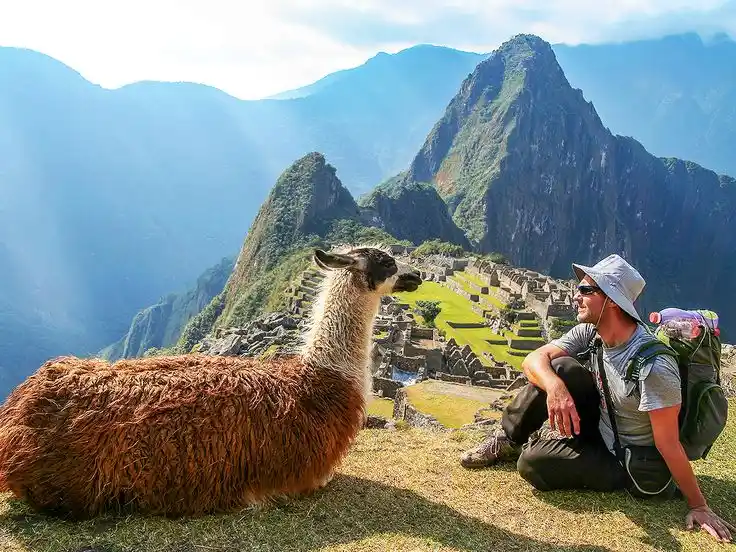
When preparing for a backpacking adventure in Peru, packing light yet efficiently is key to enjoying your trip. Here’s a list of essentials that will keep you prepared for everything from the high-altitude Andes to the humid Amazon:
- Backpack: Choose a comfortable, medium-sized backpack (40-60L) that fits all your essentials but isn’t too bulky for long treks.
- Clothing: Pack light clothes for the hot days and warmer layers for the cold nights, especially in the highlands.
- Rain Jacket: The weather can change quickly, so a light waterproof jacket is a must.
- Quick-dry clothes: Great for trekking, especially during your journey along the Inca Trail or in the Amazon.
- Swimwear: Essential for the Amazon or relaxing in the warm lakes and beaches.
- Sturdy Hiking Boots: For trekking, especially on rugged terrains like Machu Picchu and Colca Canyon.
- Flip-flops or Sandals: For relaxing or easygoing walks.
- Sunscreen and Bug Repellent: Both are essential, especially in areas with strong sun or in the jungle.
- Hand Sanitizer and Wet Wipes: Convenient for a quick clean-up when hiking or traveling between destinations.
- Personal Medications: Be sure to carry any personal medication in sufficient amounts.
- Reusable Water Bottle: Staying hydrated is important, especially at high altitudes.
- Power Bank: Keep your electronics charged while on the move.
- Small First Aid Kit: Include essentials like plasters, antiseptic cream, painkillers, and any personal medication.
- Passport & Copies: Always keep a photocopy of your passport in case it gets lost.
- Cash in Soles & Dollars: ATMs are widely available, but some remote areas may require cash.
Ready for your backpacking adventure in Peru?
As you prepare for your adventure in Peru, remember that this country is as diverse as it is beautiful, and the best experiences often come from stepping outside your comfort zone. Take your time, embrace the journey, and immerse yourself in the culture and landscapes that make Peru one of the most amazing backpacking destinations in the world. With the right itinerary, a bit of planning, and a lot of curiosity, you’re set for an adventure of a lifetime.
