



February and March offer the best carnivals in Peru. That’s when the whole country gets into party mode and each region brings out its most colorful and authentic traditions. It doesn’t matter if you’re in the highlands, the coast, or the jungle: you’re going to find celebrations that will surprise you. So if you’re traveling during these months, get ready to get wet, try regional food you didn’t know about, and end up dancing in the middle of a plaza without planning it. Because in this article we’ll tell you everything about the spontaneous carnivals full of Peruvian energy.
What are carnivals in Peru?
Carnivals in Peru are way more than just colorful parades. They’re this beautiful mix of old Andean customs, some going back thousands of years, and European traditions that got blended together during colonial times, around 500 years ago. But here’s what makes them different from carnivals anywhere else: they’re tied to the land, to farming cycles, and to rituals that communities have been doing for generations.
The origins of carnivals in Peru date back to pre-Hispanic times, when Andean civilizations celebrated fertility, rain and Pachamama (Mother Earth). With the arrival of the Spanish, Catholic elements such as the pre-Lenten calendar blended with indigenous rituals, creating unique regional expressions.
When are carnivals celebrated in Peru?
Carnivals in Peru are generally celebrated between February and early March, although exact dates vary every year because they are linked to the Catholic calendar and the beginning of Lent. Festivities usually peak during weekends and the days leading up to Ash Wednesday, but in many regions celebrations can last several weeks.
Carnival dates and the Andean calendar
In the Andes, carnival dates aren’t random. They line up perfectly with the agricultural calendar. February and early March hit right in the middle of the rainy season, when the crops are growing strong and the land is at its most fertile. For Andean communities, this is a critical time of year, and the celebrations reflect that.
That’s why you’ll see so many rituals tied to the earth during these carnivals. People make offerings to Pachamama (Mother Earth), asking for good harvests and giving thanks for the rain. There are traditional songs passed down through generations, communal meals where everyone shares what the land has provided, and dances that celebrate abundance and renewal.
You may be interested: Complete Guide to Peru in January
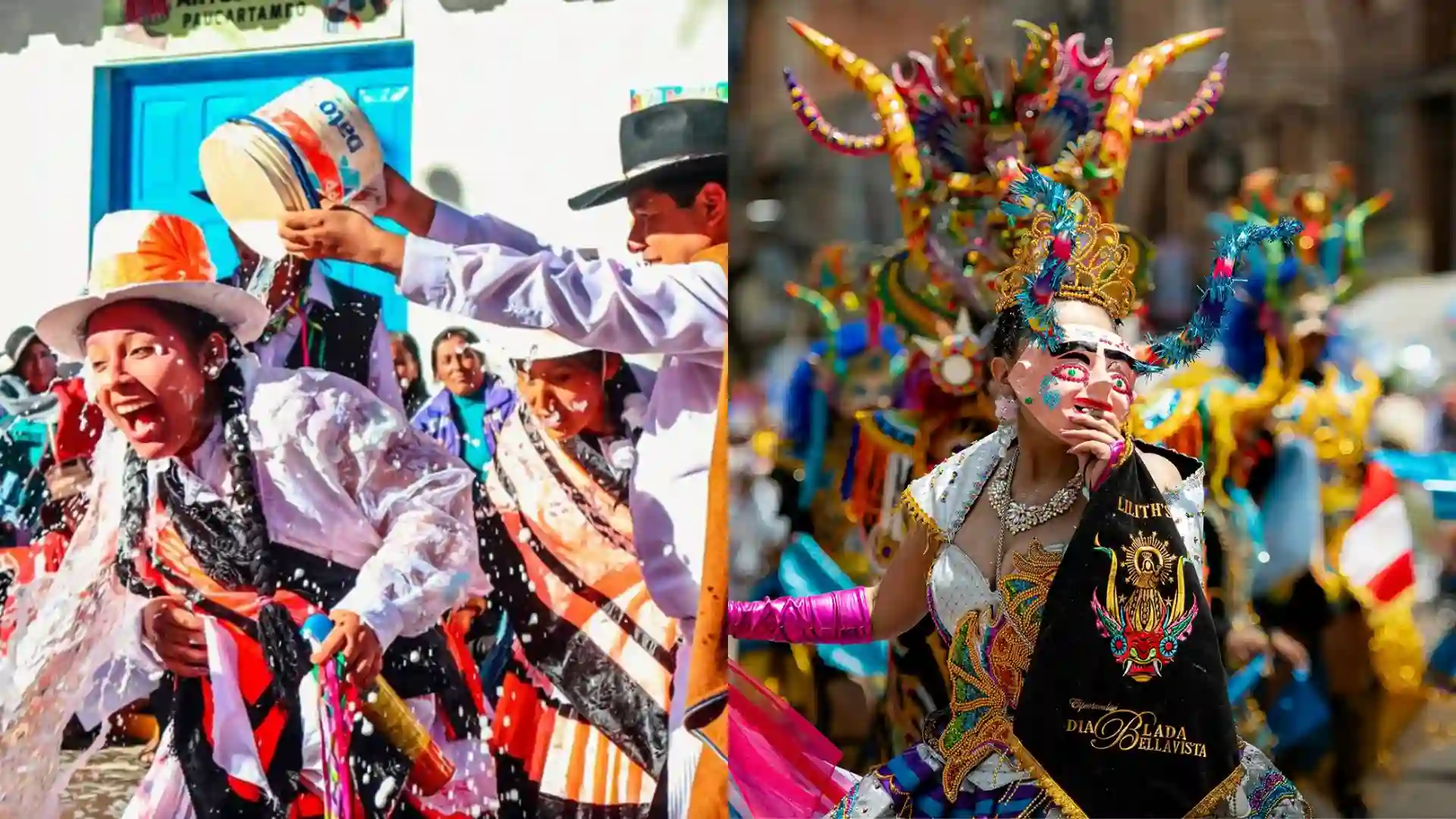
Best carnivals in Peru 2026
In the Inca country, each region has developed its own style over the centuries, making it home to some of the best carnivals in Peru. These styles have been shaped by local traditions, geography, and the communities that keep these celebrations alive. Some are massive events that draw thousands of visitors, while others are smaller but just as meaningful. What they all have in common is that authentic energy you feel the moment you arrive at the festivities, you can check out this complete list of the most popular carnivals and pick the ones that fit your travel plans best.
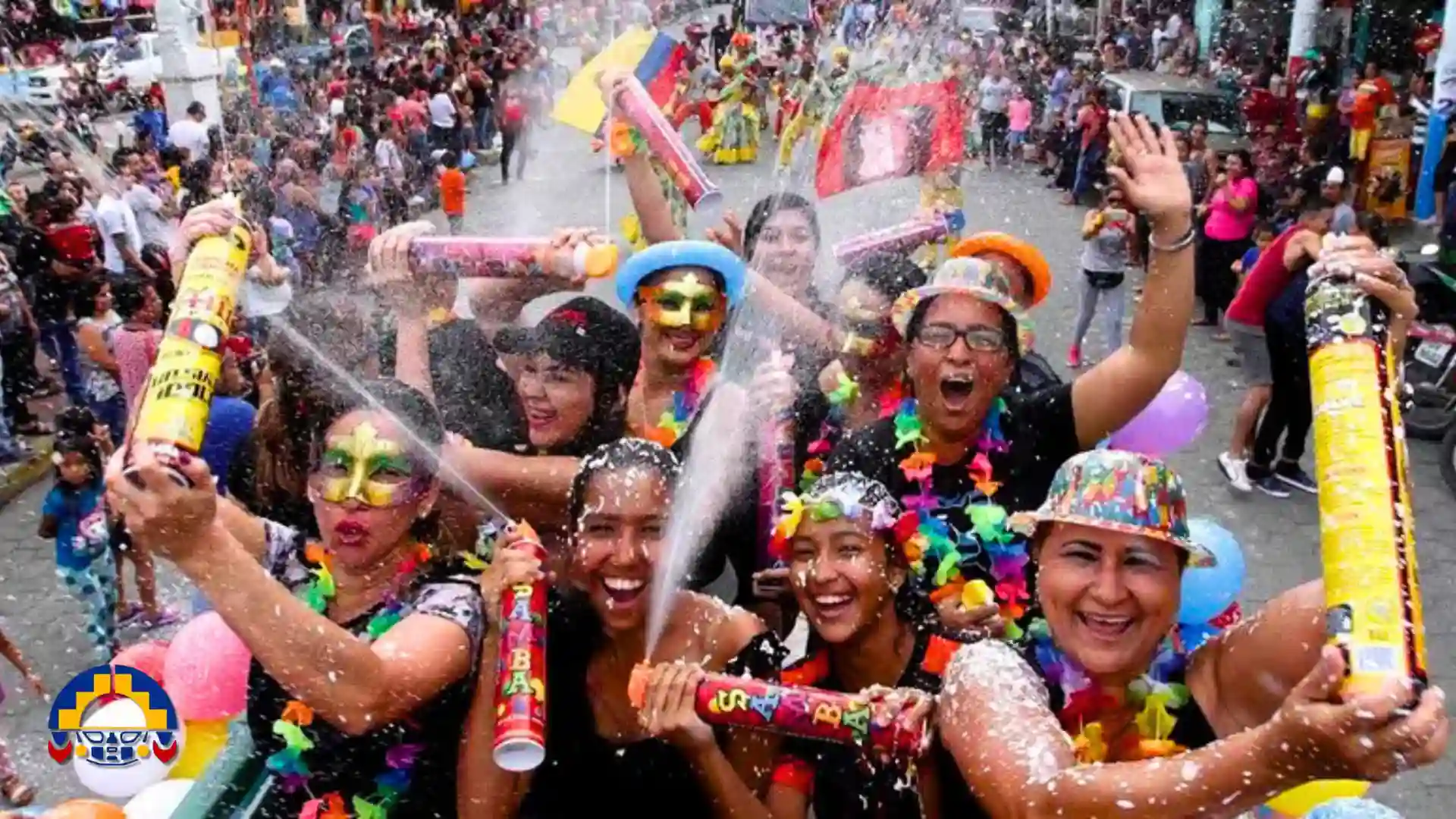
Cajamarca carnival
The Cajamarca carnival will be celebrated from February 14 to 18, 2026, ending on Ash Wednesday. Festivities begin with the entrance of Ño Carnavalón, a symbolic character who represents the spirit of carnival.
During these days, the city hosts large comparsas, street parades, live music, water, paint and talcum powder games, and a grand corso with floats and dancers. The celebrations conclude with the symbolic burial of Ño Carnavalón, marking the end of carnival and the return to everyday life.
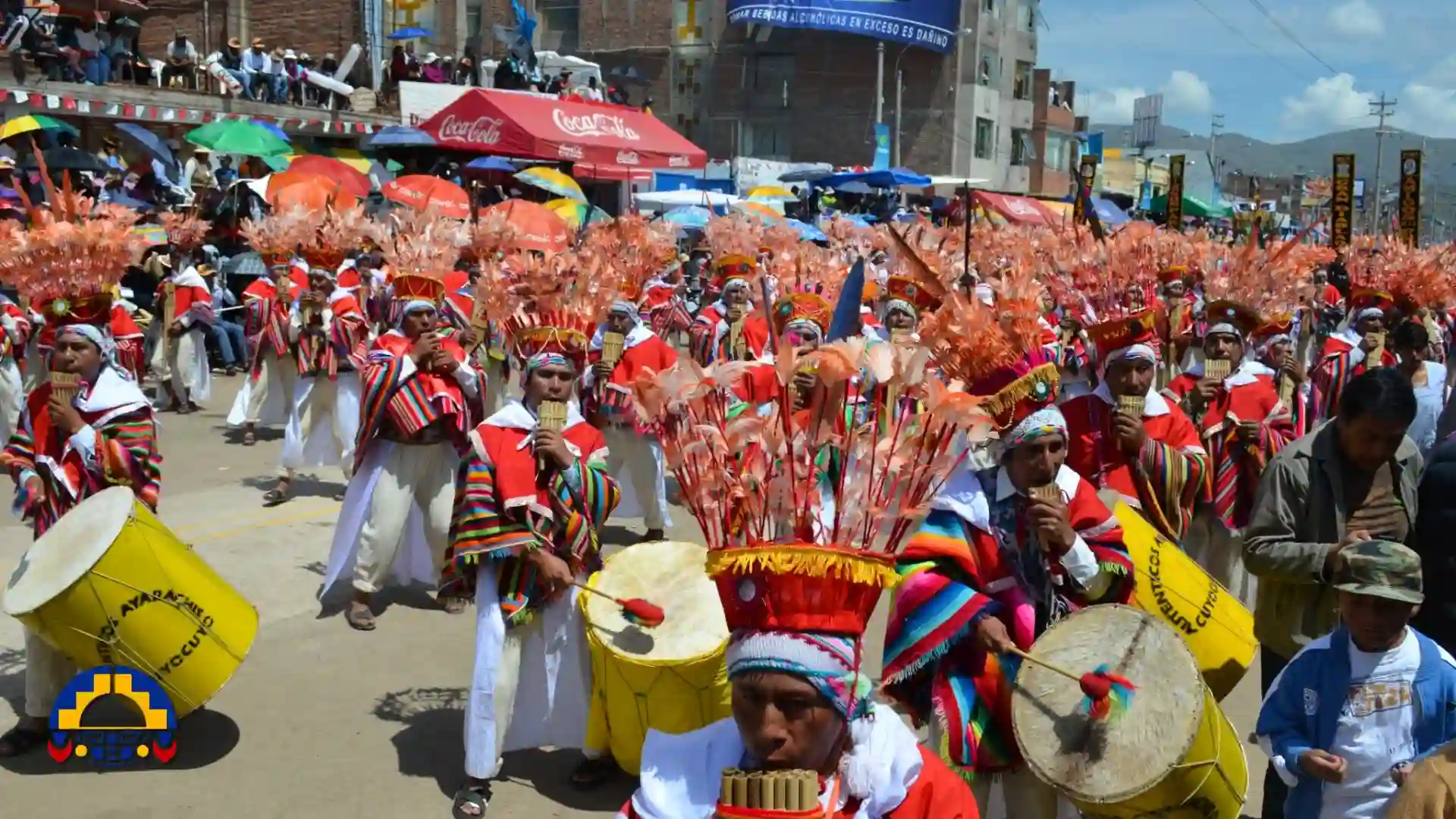
Puno carnival
The Puno carnival takes place in mid-February 2026, following the main celebrations of the Fiesta de la Candelaria earlier in the month. Carnival activities are more community-focused and often spread across neighborhoods and rural areas near Lake Titicaca.
Celebrations include traditional dances, Andean music ensembles, family gatherings and shared meals. Rituals connected to agriculture and gratitude to the land are common, reflecting strong Aymara cultural traditions.

Ayacucho carnival
The Ayacucho carnival will be celebrated from February 14 to 18, 2026, with the most important events taking place between February 15 and 17. It is considered one of the most traditional carnivals in Peru.
Activities include the Paseo de Comparsas Tradicionales, music and dance competitions, poetic carnival songs and the public reading of the Carnavalón’s testament. Costumes, huayno music and cultural symbolism are central throughout the celebrations.

Cusco carnival 2026
Carnival season in Cusco is one of the most vibrant and culturally meaningful times of the year. In 2026, the celebrations will take place throughout February, blending Catholic traditions with deep-rooted Andean customs connected to harvest season, fertility, and community identity. Below is a detailed calendar of the most important Carnival events in Cusco for 2026.
Día de los Compadres
Date: February 5, 2026 (Thursday)
This day marks the symbolic beginning of Carnival season. Traditionally, women prepare humorous dolls representing men (“compadres”) and hang them in public spaces, often with satirical messages. It’s a playful celebration filled with jokes, music, and social gatherings, reflecting community humor and social commentary.
Día de las Comadres
Date: February 12, 2026 (Thursday)
Celebrated one week after Compadres, this day reverses roles. Men create dolls representing women (“comadres”), again accompanied by humor and satire. It is a lively and symbolic event that strengthens neighborhood bonds and marks the buildup to the main Carnival celebrations.
Cusco city carnival (Carnaval Cusqueño)
Date: Sunday, February 15, 2026
The main urban Carnival celebration takes place in Plaza de Armas and across Cusco city. Expect water and foam games, traditional music, dance groups, and the iconic Carnival dish puchero. Streets fill with color, laughter, and festive energy, making it the most accessible celebration for visitors.
Carnaval de San Sebastián
Date: Sunday, February 8, 2026
Held in the San Sebastián district, this is one of the largest neighborhood Carnivals in the Cusco province. The celebration includes folkloric dance competitions, brass bands, and vibrant parades that showcase local pride and Andean heritage.
Carnaval de San Jerónimo
Date: Sunday, February 22, 2026
San Jerónimo hosts one of the most culturally rich Carnival celebrations in the region. Traditional comparsas, colorful costumes, and Quechua music fill the streets. It maintains a strong connection to agricultural symbolism and rural traditions.
Kacharpari (Carnival Farewell)
Date: February 22, 2026 (Sunday)
Kacharpari marks the official farewell of Carnival. The word means “goodbye” in Quechua. Communities gather for final dances, music, and symbolic rituals to close the festive season. It represents gratitude, renewal, and the end of the celebration cycle before Lent begins.
Rural Andean Carnivals
Date: Throughout February 2026
In rural highland areas near Cusco, Carnival is closely linked to fertility rituals and thanksgiving ceremonies to Pachamama (Mother Earth). These celebrations are more traditional and community-focused, offering a deeper glimpse into ancestral Andean culture.
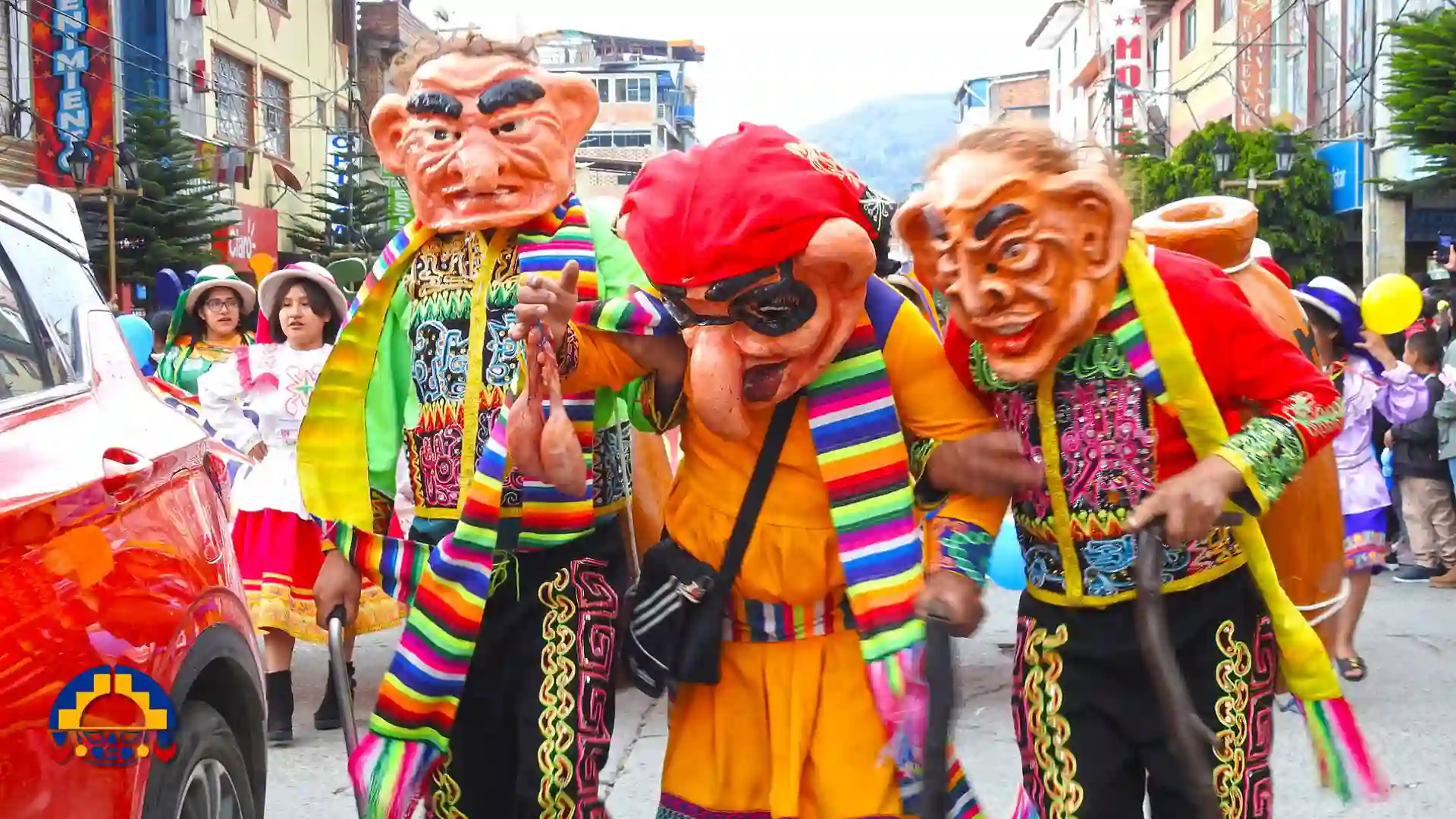
Huaraz Carnival
The Huaraz carnival takes place in mid-February 2026, aligning with national carnival dates around February 14 to 17. Surrounded by the Cordillera Blanca, the city celebrates with a mix of tradition and street festivities.
Comparsas, water games, music and yunza ceremonies are common, along with community events organized by local neighborhoods. The mountain setting adds a unique atmosphere to the celebrations.

Amazonian carnivals in Peru
Amazonian carnivals in Peru are celebrated between February 14 and 22, 2026, following the national carnival calendar. These festivities are common in regions such as Amazonas, San Martín, Loreto and Ucayali, where celebrations adapt Andean carnival traditions to the rainforest environment.
Key activities include the yunza or cortamonte, traditional dances accompanied by indigenous and regional music, communal gatherings and colorful costumes inspired by nature. Rituals emphasize fertility, abundance and respect for the land, highlighting the strong spiritual connection between local communities and the Amazon ecosystem.
You may be interested: Best tourist attractions in Peru

Traditions during the carnivals in Peru
The carnivals in Peru are packed with traditions that have been passed down through generations, each one carrying its own meaning and bringing communities together in ways that go beyond just partying. These aren’t random customs, they’re deeply rooted rituals that connect people to their land, their history, and each other. If you want to really understand what makes carnival special in Peru, you need to know about the traditions that make it tick.
Yunza or cortamonte
The yunza (also called cortamonte on the coast or umisha in the jungle) is the heart of carnival celebrations across Peru. Communities cut down a tree, usually eucalyptus, and replant it upright in a central plaza loaded with gifts: toys, household items, beer bottles, kitchen utensils, balloons, and even motorcycles. On the main day, everyone gathers around while couples take turns with an axe, each getting three swings to chop it down as huaynos play and the crowd cheers.
Comparsas
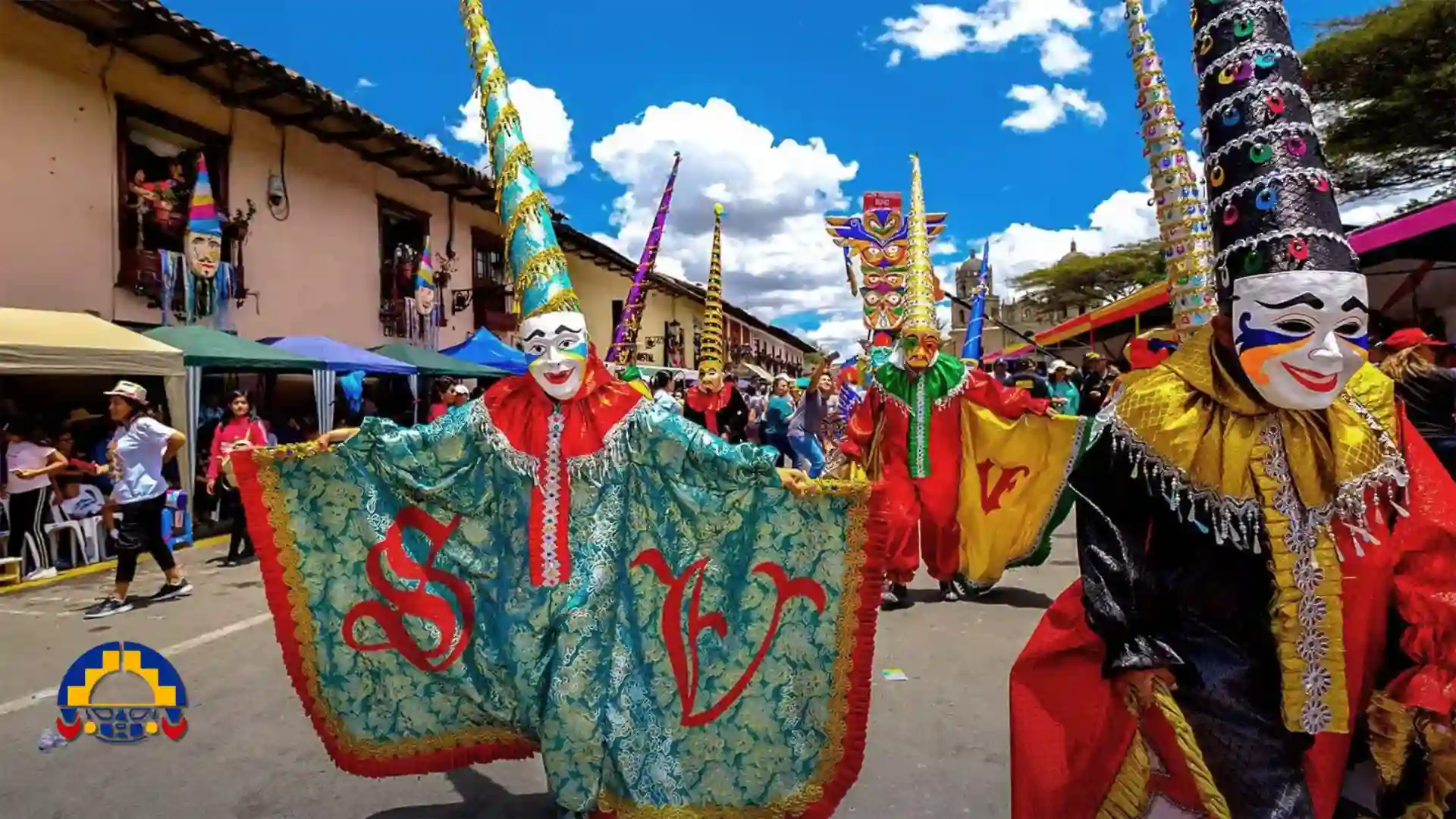
Comparsas are organized dance groups of neighbors, friends, and family members who represent their community during carnival parades. They spend weeks or months preparing, designing vibrant costumes with intricate embroidery, traditional patterns, feathered headdresses, and masks. When carnival arrives, they parade through the streets in massive processions, with over 100 groups participating in cities like Ayacucho.
Water, talcum powder and paint
If you go to carnival in Peru, you will get wet, covered in talcum powder, and possibly painted. Water fights are non-negotiable everywhere. People fill buckets, water balloons, and basins, throwing them at anyone passing by: locals, tourists, kids, adults, even police officers. Talcum powder gets thrown in clouds, paint ends up on faces and clothes, and foam spray adds to the joyful chaos.
Music and traditional dances
Music is what makes carnival move. In the Andes, huayno dominates, a pre-Columbian dance played on charangos, quenas, harps, and violins. It’s performed in couples with sharp footwork, hops, and rhythmic zapateos. The marinera, popular on the coast and northern Peru, is elegant and flirtatious, with couples using handkerchiefs in intricate courtship choreography. In Cajamarca, carnival revolves around coplas, improvised witty verses sung in call-and-response style.
Other unique carnival traditions in Peru
Compadres and comadres days kick off carnival in Cusco and Andean regions. Women create satirical rag dolls dressed in men’s clothing representing local politicians or community members, hanging them on street poles with humorous signs. A week later, men return the favor with dolls in women’s clothing. These days include traditional meals like puchero, chicha de jora, frutillada, and plenty of music and dancing, strengthening social bonds.
You may be interested: Best places to eat in Cusco

Typical carnival food and drinks in Peru
Food and drinks are just as important as the music and dancing when it comes to Peruvian carnivals. These festivities bring people together around tables loaded with dishes that have been prepared the same way for generations, creating moments where food becomes part of the celebration itself.
Traditional carnival dishes
Puchero is the star of carnival season across the Andean regions. This hearty stew is basically everything you can imagine thrown into one pot: dried meat, bacon, potatoes, corn, chuño (those freeze-dried potatoes that look weird but taste amazing), chickpeas, sweet potatoes, yucca, and sometimes even fruits. It’s slow-cooked for hours until everything melds together, and each region tweaks the recipe with their own local ingredients. The whole point is that it’s meant to feed a crowd, because carnival meals are never solo affairs.
In Cajamarca, you’ll find Frito Cajamarquino everywhere during carnival. It’s fried pork seasoned with local spices and served alongside mote (boiled corn) and a spicy aji sauce. After hours of dancing and getting soaked in water fights, this is exactly the kind of fuel you need.
Then there’s Chupe de Peras, which might sound strange at first because it’s a savory soup with pears in it. But that sweet and savory combination is totally on purpose. Carnival is when people get creative with their cooking, mixing ingredients they wouldn’t touch the rest of the year.
For dessert, Dulce de duraznos is the way to go. Peaches cooked slowly with cinnamon, cloves, sugar, and lemon juice until they’re tender and swimming in thick syrup. Some people serve it warm with a scoop of ice cream on top, which is honestly the perfect ending after a heavy meal.
Traditional carnival drinks
The drinks during carnival are a whole experience on their own. Chicha de jora, frutillada, and beer flow nonstop throughout the festivities, and if you’re joining the celebrations, you’re expected to drink along with everyone else.
Chicha de jora is ancient. It’s made from fermented corn and tastes slightly sweet and sour, kind of like a light, funky beer. Before anyone takes a sip, it’s tradition to pour a bit on the ground as an offering to Pachamama. Then come the toasts honoring compadres and comadres, the godparents and close friends who are celebrated during carnival. Chicha is what seals those bonds.
Frutillada takes chicha de jora and kicks it up with strawberries, sugar, and sometimes a splash of liquor. The result is this pink, sweet drink that looks festive and tastes even better. It’s served in massive glasses called caporales that you literally need two hands to hold. And people don’t sip it politely. During carnival, frutillada gets consumed in ridiculous amounts from the first day to the last.
Beer is everywhere too. It accompanies every meal, refreshes the dancers between routines, and shows up in every toast. In some places like Cusco, people mix beer with chicha to make “chicha con chela,” which becomes its own carnival tradition.
You may be interested: Complete packing list for Peru
Carnival destinations in Peru
The carnivals in Peru don’t happen the same way everywhere, and that’s exactly what makes them so interesting. Each region has developed its own style over centuries, shaped by geography, local traditions, and the communities that keep these celebrations alive. From massive city-wide parties in the highlands to intimate village gatherings in the Sacred Valley, every destination offers something different. Here’s where to go if you want to experience the real thing.
Cajamarca: The capital of carnival in Peru
Cajamarca owns carnival season in Peru. This highland city goes all out for an entire week, turning into one giant party where the streets belong to comparsas, live bands, and people armed with water, paint, and talcum powder. It’s loud, colorful, messy, and absolutely unforgettable.
Thousands of people pour into the Plaza de Armas every day to watch elaborate dance performances, listen to coplas (those improvised satirical verses locals are famous for), and join in the chaos. Comparsas dressed in traditional costumes parade through the streets, competing for prizes while crowds throw water and paint at everyone in sight.
Two events define Cajamarca’s carnival: the coronation of the Carnival King (Ño Carnavalón) at the start, and his symbolic burial at the end. When Ño Carnavalón arrives, the whole city celebrates his entrance with parades and music. When he “dies,” there’s a mock funeral where his satirical will gets read aloud, roasting local politicians and public figures while everyone laughs.
Cusco
In Cusco itself, the markets become carnival hubs. San Pedro Market, Ccascaparo, El Molino, and areas near the classic Inca Trail come alive as vendors decorate their stalls, organize costume contests, and celebrate with chicha de jora and frutillada flowing freely. There are street parties, water fights, and music, but it doesn’t have the intensity of Cajamarca. It feels more community-focused, less tourist-oriented.
Head into the Sacred Valley, though, and you’ll find villages like Pisac, Ollantaytambo, and Chinchero celebrating in ways that feel unchanged by time. The yunza ceremonies here are beautiful, with decorated trees standing in central plazas while entire communities dance huaynos in circles. The focus is on family, on honoring relationships, on asking Pachamama for good harvests. Tourists are welcome to join, but these celebrations aren’t performances put on for visitors.

Ayacucho
Ayacucho doesn’t mess around when it comes to carnival. This city in the central highlands is serious about preserving Andean identity, and that shows in how they celebrate. Huayno music dominates the streets, comparsas wear traditional costumes that represent specific communities, and the entire historic center becomes a stage for cultural expression.
More than 100 comparsas participate in Ayacucho’s carnival, each one representing a neighborhood, a village, or a cultural tradition. The competitions are intense, with groups judged on costume quality, choreography, and how well they represent their identity. Winners get prizes, but more importantly, they get pride and bragging rights for the entire year.
What makes Ayacucho stand out is how deeply connected the celebrations are to Andean cosmovision. This isn’t just a party, it’s a moment when communities honor their ancestors, their land, and their way of life. The music, the dances, the rituals, everything carries meaning. Even the food served during carnival has significance, connecting people to agricultural cycles and seasonal abundance.
Puno
Puno’s carnival blends Aymara and Quechua traditions into celebrations that feel connected to the land and Lake Titicaca itself. The highlands around the lake host community-based festivities where group dances, traditional music, and agricultural rituals take center stage.
Candlemas, which happens in early February, often overlaps with carnival season in Puno. During this time, the city hosts massive dance competitions with groups performing diablada, morenada, and other traditional dances in elaborate costumes. When carnival proper arrives, the celebrations continue with yunzas, comparsas, and street parties that reflect both indigenous traditions and Catholic influences brought by colonization.
Villages around Lake Titicaca celebrate in their own ways, often with ceremonies honoring Pachamama and asking for good harvests. These are quieter than city celebrations but deeply meaningful, especially if you’re interested in understanding how Andean communities maintain their spiritual relationship with the land.
Amazonian carnival destinations
The Amazon celebrates carnival too, though it gets less attention than highland or coastal festivities. In cities like Iquitos, Pucallpa, and Tarapoto, carnival blends indigenous Amazonian traditions with Andean and coastal influences brought by migration, and during these dates many travelers also take the opportunity to enjoy nature experiences such as manu national park tours, combining cultural celebrations with deep jungle exploration.
The yunza tradition exists here too, but it’s called umisha or humisha, and the trees used are native to the jungle. Dancing happens to cumbia amazónica and other regional music styles, creating a festive atmosphere that feels distinctly different from highland huaynos or coastal marineras.
Water fights are huge in the Amazon, which makes sense given the heat and humidity. People throw water constantly, and between the rivers, the rain, and the buckets, staying dry is impossible. Not that anyone tries.
You may be interested: Peru in the summer: 6 best places to visit

Travel tips for carnivals in Peru
Going to carnival in Peru is not like visiting during the rest of the year. Things get messy, crowded, and wonderfully chaotic. If you want to actually enjoy it instead of spending the whole time confused or soaking wet without a plan, here are some things you should know before you go.
Pack clothes
Water fights are non-negotiable during Peruvian carnivals, and neither is the paint, foam, or talcum powder that people throw around. Bring old clothes, preferably quick-dry stuff, and leave anything nice at the hotel. Waterproof bags for your phone, camera, and documents are essential. Comfortable shoes with good grip are a must because streets get slippery, and you’ll be walking and dancing for hours.
Book accommodations way in advance
Carnival is one of the busiest times of the year in places like Cajamarca, Puno, Cusco, and Ayacucho. Hotels fill up weeks or even months ahead, and prices go up significantly. Book your room as soon as you know your dates. If you’re driving between towns, check for road closures because some streets get blocked off for parades for days.
Bring cash and keep it secure
ATMs run out of money during carnival, especially in smaller towns. Street vendors selling food, drinks, and carnival supplies usually don’t take cards. Have enough cash on hand for a few days, including small bills.
Stay hydrated and eat well
Between the altitude, the drinking, the dancing, and the heat, staying hydrated is critical. Carry a water bottle and refill it throughout the day. Eat regularly too. Street food is everywhere during carnival: puchero, anticuchos, empanadas, tamales, and it’s usually delicious. Eating keeps your energy up and helps you handle the altitude and alcohol better.
Altitude considerations
Most big carnivals happen in the Andes at 2,500 to 3,800 meters above sea level. If you’re not acclimated, the combination of altitude, dancing, drinking, and excitement can hit you hard. Altitude sickness during carnival will ruin your trip.
Arrive a few days early to adjust in cities like Cusco, Huaraz, or Arequipa before diving into festivities. Stay hydrated constantly, drink coca tea, eat lightly, and avoid alcohol for the first day or two. If you’re sensitive to altitude, consult your doctor about preventative options. Many Peru tour operators provide acclimatization-friendly itineraries and support to help you adjust safely.
What to expect during celebrations
Carnivals are joyful, energetic, and unpredictable. Expect crowds, water fights, music everywhere, and lots of dancing. Most celebrations are family-friendly, and communities welcome visitors with warmth and enthusiasm.
The intensity varies. Some carnivals include quiet, traditional ceremonies like offerings to Pachamama. Others transform into lively street parties that last from morning until late at night. Cajamarca’s carnival is wild and nonstop, while village celebrations in the Sacred Valley are more intimate. Being open to whatever happens makes the experience far more rewarding.

Frequently asked questions about carnivals in Peru
Carnivals in Peru often raise practical questions for travelers, especially those visiting the country for the first time or planning a trip during February. From safety and weather concerns to cultural etiquette and travel logistics, understanding how carnivals work helps visitors enjoy the celebrations with confidence. The following frequently asked questions address the most common doubts about carnival season in Peru.
1. When do the carnivals in Peru take place?
The carnivals in Peru typically happen in February and March, with dates varying each year since they fall before Lent. Main celebrations usually peak during carnival week, though some regions start festivities earlier in late January or early February.
2. What is the most famous carnival in Peru?
Cajamarca is the most famous carnival in Peru. It hosts the largest and most energetic celebrations in the country, with massive parades, elaborate comparsas, and nonstop street parties that attract thousands of visitors every year.
3. Are the carnivals in Peru safe for tourists?
Yes, carnivals in Peru are generally safe and family-friendly. Communities welcome visitors warmly. Take normal precautions: keep valuables secure, stay aware in crowds, and avoid excessive drinking at high altitude. Traveling with reputable tour operators enhances safety and experience.
4. Do I need tickets to attend carnival celebrations?
No, most carnival celebrations in Peru are free public events that happen in streets, plazas, and community spaces. You don’t need tickets to participate in parades, water fights, comparsas, or yunza ceremonies. Some specific organized evening shows or competitions might charge admission, but the main festivities are open to everyone.
Conclusion about the carnivals in Peru
When it all comes down to it, Peru’s carnival celebrations go way beyond just having a good time. They’re living expressions of identity, history, and that unmistakable energy that makes you feel like you belong, no matter where you’re actually from. Imagine standing in a crowd as a decorated tree crashes to the ground, sharing chicha de jora with new friends, getting drenched in water fights you never saw coming. These aren’t scripted tourist experiences, they’re genuine moments where Peru’s soul shows itself completely.
If you’ve been wondering when the perfect time is to explore Peru, February and March during carnival season should be at the top of your list. The food will blow your mind, the music will get you moving, and the people you meet will show you why Peruvian hospitality is legendary. Ready to make it happen? Let us take you there. We’ll handle the logistics, find you the best spots to experience authentic celebrations, and make sure you’re in the right place at the right time. Travel with us and turn the carnivals in Peru into memories that’ll last forever.
