


This Complete Guide to Peru in January is here to give you the truth about traveling during Peru’s summer rainy season. You’ve probably heard mixed opinions: some say avoid it at all costs, others swear it’s the best time to go. So what’s the truth?
January is a mixed month. It’s not the easiest month, that’s clear. You need to pack smart, stay flexible with your plans, and accept that not every day will be sunny with blue skies. But if you’re willing to embrace a little unpredictability, you’ll discover a Peru that feels more authentic and alive.
Whether you’re planning to trek to Machu Picchu, explore the Amazon jungle, surf the northern coast, or wander through Cusco’s cobblestone streets, this guide breaks down exactly what to expect during this month, and as expert guides we’ll give you the best tips to make the most of your January adventure.

Visit Peru in january
January gives you a different way to see Peru. The coast is having its summer warm and mostly dry, while the mountains and jungle are right in the middle of rainy season. Everything turns incredibly green and alive. You’ll find cheaper prices and way fewer tourists than usual.
Why January is a unique month to experience Peru
January is this interesting mix. The coast, places like Lima, has summer weather with warm temps and clear skies most days. Meanwhile, up in the mountains and out in the jungle, it’s raining regularly. Rivers are running full, everything’s lush and green, and local communities are going about their traditions. It’s just a completely different vibe, whether you’re hitting the beaches or heading into the highlands and Amazon.
Pros and cons of traveling during this time
Pros: Way fewer crowds at spots like Machu Picchu and the Sacred Valley, which means you can actually take photos without a hundred people in the background and explore at your own pace. Hotels and flights cost noticeably less since it’s low season.
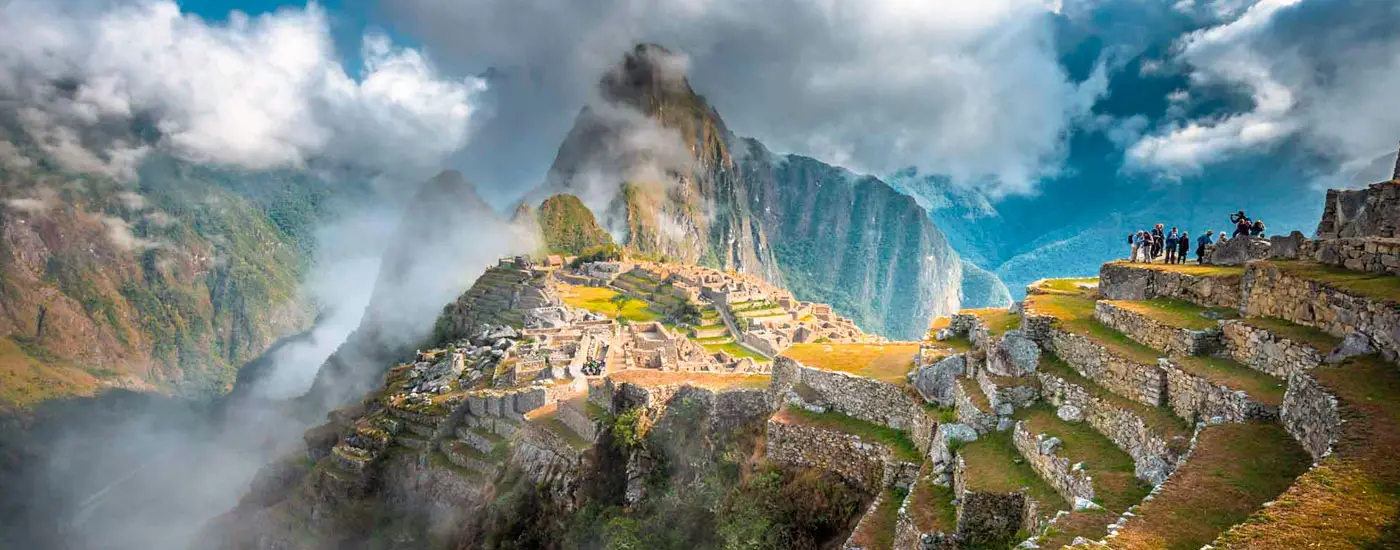
Waterfalls are flowing hard, valleys look like they’ve been painted, and the contrast between stormy skies and ancient ruins creates some seriously impressive views. Plus, locals have more time to chat and share their stories since they’re not dealing with constant tour groups.
Cons: It rains more in the mountains and jungle, usually in the afternoons but sometimes all day. Trails get slippery and muddy, so you need decent boots and need to watch your step. You might need to adjust your plans on the fly if weather gets rough, flights to Cusco can be delayed, and outdoor activities sometimes get postponed.
Some high-altitude routes could be closed or under maintenance, particularly challenging treks above 4,500 meters. Cloud cover can also block mountain views on some days, and if you’re unlucky, Machu Picchu might be shrouded in mist during your visit. Pack rain gear and build some flexibility into your schedule.
You may be interested: All about inca language and writing

Weather in Peru in january
January in Peru brings a vivid contrast of climates, the coast enjoys true summer weather while the highlands and jungle enter their rainy season. In coastal regions like Lima, warm, sunny days dominate with very little rain. Meanwhile, in the Andes and Amazon, frequent showers and elevated humidity reshape landscapes, turn trekking paths muddy and create lush green scenery across mountains and jungle alike.
Climate differences between the coast, Andes, and jungle
Coast (e.g., Lima, Trujillo): January is peak summer with average highs around 26 °C (79 °F) and nightly lows near 19 °C (66 °F). Rain is almost non-existent in many coastal zones.
Andes (e.g., Cusco, Machu Picchu region): Heavy rain season is in full swing; daytime temperatures typically range from 12-20 °C (54-68 °F), while nights can drop to 4-7 °C (39-45 °F) in higher elevations.
Jungle (Amazon basin, e.g., Iquitos, Puerto Maldonado): Hot and humid with temps usually between 24-31 °C (75-88 °F), and frequent afternoon or evening downpours. Rainfall in January can exceed 300 mm (12 inches) in some areas, perfecto time for Manu National Park tours.
How the rainy season affects travel plans
Up in the Andes and out in the jungle, rainy season runs from November through March, and honestly, you need to roll with it. Trails turn into muddy obstacle courses, some back roads flood or take forever to clear, and those epic mountain views you were counting on? Sometimes they’re just hidden behind clouds and mist.
You may be interested: Peru in the Summer

Travel to peru in january tips
Traveling to Peru in January offers a mix of sunshine, rain, and lush scenery. It’s the middle of summer along the coast, with warm weather perfect for beaches in Lima, Paracas, and Máncora. In contrast, the Andes and the Amazon experience their rainy season, so mornings are the best time for outdoor activities, as showers usually fall in the afternoon. Bring a waterproof jacket, sturdy shoes, and quick-dry clothes, they’ll make a big difference.
- Plan outdoor activities early in the day, as rain showers usually occur in the afternoon.
- Pack a waterproof jacket, rain poncho, and quick-dry clothes for the Andes and jungle.
- Bring sunscreen, sunglasses, and a hat for the hot coastal summer.
- Book flights, trains, and Machu Picchu tickets in advance, spots are still limited even in low season.
- Allow extra travel time for possible delays due to rain, especially on mountain routes.
- Choose eco-friendly and local peru tour operator to support sustainable travel.
- Carry cash in small denominations, as some rural areas don’t accept cards.
- Stay flexible with your itinerary, weather can change quickly in January.
- Learn a few basic Spanish phrases to communicate easily in smaller towns.
- Keep electronics and documents in waterproof bags during excursions.
Safety and health considerations
- Take at least one day to acclimatize when arriving in high-altitude areas like Cusco, Puno, or Arequipa.
- Drink plenty of water and avoid heavy meals or alcohol during your first day at altitude.
- Bring altitude sickness medication (such as Diamox) if you’re prone to soroche.
- In the Amazon and tropical regions, wear long sleeves and use insect repellent to prevent mosquito bites.
- Avoid drinking tap water; choose bottled or filtered water instead.
- Keep hand sanitizer and wet wipes handy for areas with limited facilities.
- Store valuables safely and avoid displaying cash or expensive items in crowded places.
- Make sure your travel insurance covers medical care and weather-related cancellations.
- Wear sunscreen even on cloudy days, UV radiation is strong at high elevations.
You may be interested: Celebration of New Year in Peru

Flights to Peru in January and travel costs
January is actually one of the smartest times to fly to Peru if you’re watching your budget. While everyone’s scrambling to book summer trips during high season, you can score some seriously good flight deals during Peru’s low season. We’re talking hundreds of dollars in savings compared to June or July prices. Each has its own quirks, transportation options, and things you should know before you arrive.
Here’s everything you need to plan your flights and budget for January 2026, with real prices and practical advice that’ll help you make smart decisions!
Booking Window: The best time to secure international flights to Peru is typically 2 to 8 months before your trip. If you plan to travel in January, start monitoring flight prices between June and November of the previous year. Booking early gives you a higher chance of finding lower fares and better schedules, especially if your travel dates are fixed.
Best Days to Book: Studies on airfare trends show that Tuesday, Wednesday, and Saturday often offer the lowest prices. Airlines tend to release new deals at the beginning of the week, so setting up price alerts during these days can help you catch discounts quickly. Try to avoid booking on Friday afternoons, when prices usually increase due to higher demand.
| Category | Average Price (USD) | Details / Notes |
|---|---|---|
| Round-trip flight from the U.S. (Miami–Lima) | $550 – $750 | Non-stop or one connection; best deals when booked 2–4 months in advance. |
| Round-trip flight from Europe (Madrid–Lima) | $850 – $1,100 | Prices vary by airline; January often sees promotional fares. |
| Domestic flight Lima–Cusco | $80 – $150 | Daily departures; book early for morning flights to avoid delays due to afternoon rains. |
| Hotel in Lima (3★) | $60 – $100 per night | Beach hotels slightly higher in price during summer months. |
| Hotel in Cusco (3★) | $40 – $80 per night | Lower rates than in the dry season (May–September). |
| Machu Picchu entrance ticket | $50 – $65 | Must be purchased in advance; Huayna Picchu add-on: $20 extra. |
| Average daily expenses (meals, local transport, tips) | $40 – $70 | Depends on travel style; Peru remains one of South America’s best-value destinations. |
When to find the best flight deals
January is considered a low to mid travel season for many destinations in Peru, which often translates into lower airfares and hotel rates. To find the best deals, it’s advisable to book your international flights 2 to 8 months in advance, especially if you plan to visit popular spots like Machu Picchu or Cusco. Travelers who start searching between June and November of the previous year tend to get the most competitive prices.
Airports and main entry points for international travelers
Most international travelers enter Peru through Jorge Chávez International Airport (LIM) in Lima, the country’s main hub. This airport connects with major cities in the Americas and Europe, including Miami, Los Angeles, Madrid, and Amsterdam. From Lima, you can take a domestic flight to Cusco, which lasts about 1 hour and 15 minutes, or continue to other destinations such as Arequipa, Iquitos, or Puerto Maldonado.
Other airports receiving a smaller number of international flights include Alejandro Velasco Astete International Airport (CUZ) in Cusco, which occasionally handles direct charters, and Rodríguez Ballón International Airport (AQP) in Arequipa. However, for most travelers, arriving via Lima remains the fastest and most convenient option before continuing to Machu Picchu or the southern Andes.
You may be interested: Visiting Peru in August

Festivals and celebrations in January Peru
January in Peru marks the start of a new year filled with color, music, and deep cultural traditions. Across the country, communities celebrate ancient customs blended with Catholic influences, creating a lively atmosphere that reflects Peru’s diverse identity.
New Year’s Day – January 1st
New Year’s in Peru is celebrated throughout the country with a mix of Catholic traditions and local customs. Families gather for dinner together, many wear yellow underwear to attract good luck (yellow means prosperity and money), and at midnight everyone toasts with champagne while fireworks light up the sky. The best part of this celebration is the collective energy in the streets: people go out to hug neighbors and strangers, there’s live music in the main plazas, and many run around the block with empty suitcases to ensure the new year will bring travel and adventures.
Three Kings Day – January 6th
This Catholic festivity celebrates the arrival of the Three Wise Men to the birth of baby Jesus, and in Peru it comes alive with colorful processions through towns where local actors dress up as Gaspar, Melchior, and Balthazar riding horses or walking down main streets. Children receive gifts and candy, and churches organize reenactments of the kings’ journey following the Star of Bethlehem. The best part of this celebration is the festive atmosphere in small towns where the entire community participates, there’s traditional music, folk dances, and shared food.
Festival of the Negritos – December 24th – January 19th
Huanuco known as “Peru’s longest Christmas,” this festivity lasts almost a month and is one of the most fascinating cultural expressions in the country. The celebration originated in colonial times when African slaves working on the haciendas of the Pillco Valley received one day of freedom on December 25th to worship baby Jesus, and they expressed their devotion with vibrant dances, music, and songs while visiting nativity scenes in homes and farms.
Today, more than 200 dance brotherhoods roam the streets of Huánuco in spectacular costumes that include white masks with red noses, embroidered tailcoats, elegant hats, and decorated boots, all to the rhythm of musical bands filling the air with traditional melodies. The best part of this celebration is the 12-hour dance marathon called “Chin Tata Chin” that closes the festival on January 19th, where dozens of brotherhoods dance non-stop at the Paucarbamba Sports Complex creating a unique spectacle.
Lima’s Anniversary – January 18th
Lima celebrates its founding every January 18th commemorating the day Francisco Pizarro established “The City of Kings” in 1535. The capital fills with cultural events, free concerts, gastronomic fairs, and activities in parks and main plazas like Plaza de Armas and Kennedy Park. The best part of this celebration is that you can enjoy folk dance shows, live Creole music, art exhibitions, and try typical Lima dishes at special prices in restaurants and food trucks set up throughout the city.
San Sebastián Festival (January 20th) – Cusco
This religious celebration honoring Cusco’s patron saint, San Sebastián, transforms the city streets into a parade of color, faith, and tradition. The saint’s image is carried in procession from his church to Cusco’s Cathedral, accompanied by thousands of devotees, bands of musicians, and groups of dancers performing traditional Andean choreographies like the Qhapaq Qolla and Contradanza. The best part of this festivity is the mix of religious syncretism: San Sebastián is associated with agriculture and protection against plagues, so farmers from nearby communities bring their agricultural products to be blessed during mass.
Marinera Festival (last week of January) – Trujillo
The National Marinera Competition in Trujillo is the most elegant and anticipated dance event of the year, where the marinera, considered Peru’s national dance, comes alive in its fullest expression. For an entire week, more than 1,500 couples of dancers from across the country compete in different categories and styles at the Mansiche Coliseum, executing this dance of romantic conquest that combines Spanish, African, gypsy, and Andean influences.
Dancers wear spectacular costumes: men in linen ponchos and straw hats, women in embroidered silk blouses and wide skirts that follow every movement, and both wave white handkerchiefs while performing complex and flirtatious steps that tell the story of a romantic courtship. The best part of this celebration are the pasacalles (street parades) through Trujillo’s colonial historic center, presentations of Peruvian paso horses (a breed declared Cultural Heritage), the crowning of the Marinera Queen, and the final “Perol Party” where everyone dresses in white and dances until dawn.
Festival of the Virgin of Candelaria (January 24th – February 13th) – Puno
Although the main festivity occurs in February, celebrations begin from January 24th with novenas and liturgical ceremonies at the Virgin’s Sanctuary, setting the stage for what will become Peru’s largest folkloric festival and South America’s third largest. This celebration honoring “Mamacha Candelaria,” Puno’s patron saint, is an explosion of color, music, and devotion that was declared Intangible Cultural Heritage of Humanity by UNESCO in 2014.
The best part of this festivity is the perfect blend of Catholic traditions and Andean worldview: the Virgin of Candelaria is associated with Pachamama (Mother Earth), and the dances presented tell stories of colonial mining, pre-Hispanic agricultural cycles, and symbolic battles between good and evil, all performed by more than 40,000 dancers and 9,000 musicians dressed in costumes so elaborate they can weigh up to 50 kilos.
You may be interested: Best tourist attractions in Peru

Is january a good time to visit Peru?
Yes, January can be an excellent time to visit Peru, depending on your destination and travel style. On the coast, especially in places like Lima or Paracas, it is the height of summer: temperatures are warm (around 77-79°F) and there is virtually no rain, making beach activities and coastal landscapes ideal.
Is january a good time to visit Machu Picchu?
It depends on your priorities. Visiting Machu Picchu in January means fewer tourists, vibrant nature, and more affordable prices, as it is the low season. On the other hand, as it is the middle of the rainy season in the Andes, daytime temperatures are mild (approximately 64-68°F), but nights can drop to 45°F or below, and there is a high probability of rain, fog, or muddy roads.
You may be interested: Huayna Picchu Stairs of death in Peru

What to do in Peru in january
January in Peru is a month of vibrant contrasts. While the coast basks in full summer with sunny skies and warm ocean breezes, the Andes and the Amazon burst into life with rain-fed greenery and fewer tourists. It’s a time when travelers can experience the country more authentically.
1. Enjoy summer at Lima’s beaches
January is full-on summer in Peru’s capital, with long days, intense sun, and a lively atmosphere. The beaches along Costa Verde, like Punta Hermosa or Agua Dulce, come alive with surfers, families, and young people enjoying the ocean. It’s the perfect time to swim, try fresh ceviche right by the water, or watch the sunset from the cliffs of Miraflores.
2. Wander through the bohemian neighborhood of Barranco
Barranco is Lima’s most artistic corner. Its streets are filled with murals, bars with live music, and cafes that open toward the sea. In January, the warm weather invites you to walk across the Bridge of Sighs, visit local galleries, and end the day with dinner outdoors. Its relaxed and cultural vibe makes it a must-stop for anyone wanting to experience the city’s creative side.
3. Explore Paracas and the Ballestas Islands
Just a few hours from Lima, Paracas offers a unique landscape where the desert meets the ocean. From its port, you can take a boat out to the Ballestas Islands, home to sea lions, Humboldt penguins, and hundreds of birds. The weather is ideal for boating, enjoying the ocean breeze, and relaxing at hotels facing the bay.
4. Fly over the Nazca Lines
January is a good month to visit Nazca since the skies usually stay clear in the morning. From a small plane, you can clearly see the enigmatic desert geoglyphs: animal figures and geometric shapes traced over a thousand years ago. It’s a short but unforgettable experience that combines history, mystery, and an impressive view of the Peruvian desert.
5. Visit Machu Picchu with fewer tourists
Even though it’s rainy season, Machu Picchu stays open and receives fewer visitors. The ruins are covered in intense green vegetation and clouds give the landscape a mystical feel. If you visit early in the morning, you’ll often enjoy quiet moments at one of the world’s most iconic places. Just bring a poncho or waterproof jacket and non-slip shoes.
6. Discover the Sacred Valley of the Incas
The Sacred Valley looks especially beautiful in January. The mountains are covered in green, rivers run stronger, and the markets of Pisac and Chinchero are bursting with colors. Travelers can visit the circular terraces of Moray or the salt mines of Maras, and experience the hospitality of local communities that keep Quechua traditions alive.
7. Navigate the Peruvian Amazon
During January, water levels in the Amazon rise, allowing access to areas that are unreachable the rest of the year. From Iquitos or Puerto Maldonado, you can take boat excursions along the rivers and observe wildlife at its peak: pink dolphins, monkeys, macaws, and overflowing vegetation. It’s an ideal time for nature lovers and photographers.
8. Experience the Festival of San Sebastián in Cusco
Every January 20th, Cusco celebrates one of its most joyful festivities. In the San Sebastián district, hundreds of dancers and musicians fill the streets with traditional costumes, processions, and typical foods. It’s a perfect opportunity to experience the living culture of the Andes and the devotion with which Cusco’s residents celebrate their traditions.
You may be interested: Backpacking Peru Itinerary

What to pack for Peru in january
Clothing:
-
3–4 short-sleeved shirts
-
2 long-sleeved shirts
-
2 pairs of hiking pants or quick-dry long pants
-
1 pair of shorts
-
Underwear and socks for a week
-
Waterproof rain jacket or poncho
-
Fleece or warm sweater
-
Insulated jacket for cold nights
-
Swimsuit and lightweight beachwear
-
Comfortable sandals or flip-flops
Footwear:
-
Waterproof hiking boots (already broken in)
-
Comfortable walking shoes or sneakers
Protection:
-
Sunscreen (SPF 50+), hat, and sunglasses
-
Insect repellent (DEET-based)
-
Lip balm with SPF
Gear & Accessories:
-
Small daypack
-
Reusable water bottle
-
Portable phone charger/power bank
-
Headlamp or flashlight
-
Dry bag for electronics
Health & Safety:
-
Small first aid kit
-
Altitude sickness medication
-
Pain relievers and anti-diarrheal pills
-
Hand sanitizer and wet wipes
-
Personal prescription medications
Optional but Useful:
-
Trekking poles
-
Waterproof phone case
-
Buff or bandana
-
Travel pillow
-
Spanish phrasebook or offline translation app
