


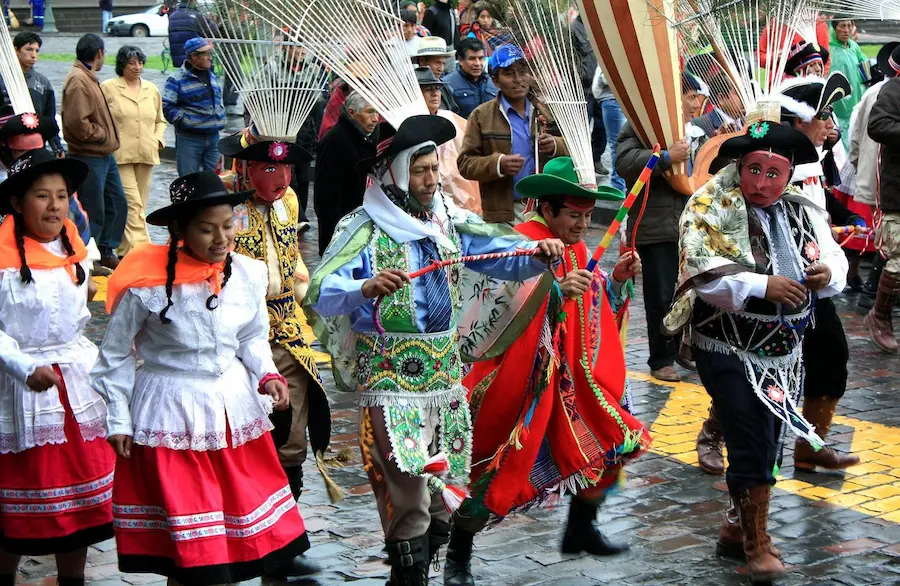
Christmas in Peru begins long before midnight on December 24. Throughout December, cities, markets, plazas, and homes begin to take on a different atmosphere. Christmas trees appear, streets light up, nativity scenes are carefully arranged, and panettone becomes a familiar sight on tables across the country. But beyond the decorations, there is something even more interesting: Christmas traditions in Peru vary according to the region, family customs, and the country’s diverse cultural history.
For many Peruvian families, Christmas is above all a time to be together. Dinner, gifts, music, and religious traditions come together during a night when families gather and often stay together until midnight. In different parts of the country, local customs have also blended with Catholic traditions and cultural expressions passed down through generations.
If you visit Peru in December, you may notice that Christmas does not look exactly the same in Lima, Cusco, Ayacucho, or the Amazonian regions. The food changes, nativity scenes take on different forms, and some communities celebrate with music, dances, fairs, and other local traditions.
You might be interested in reading: What Does Ayahuasca Mean? Origins and Significance in Peru
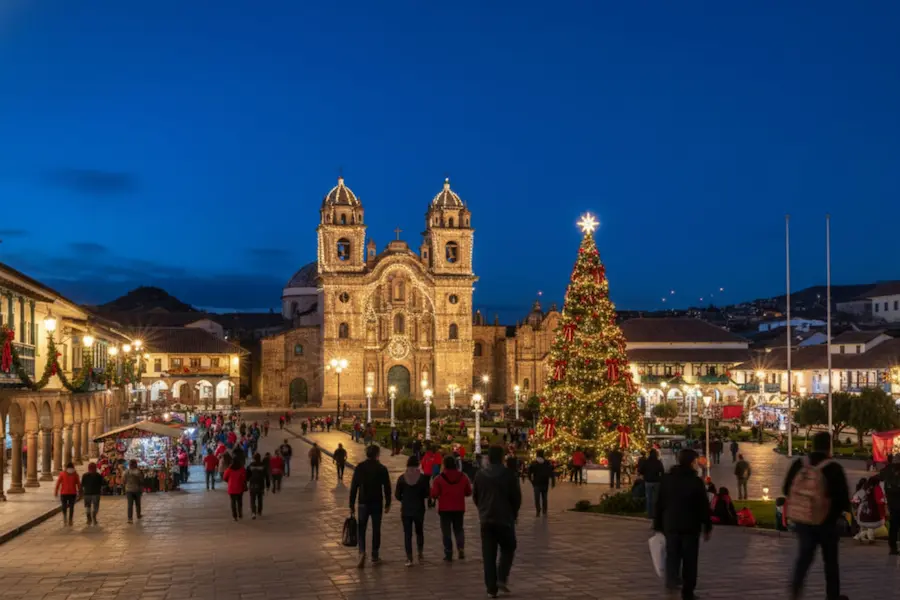
Christmas in Peru: A Celebration Centered on Family
Although Christmas traditions vary between families and regions, spending time with family remains an important part of the holiday season. December 24, known as Christmas Eve or Nochebuena, is usually the main moment of celebration.
The Importance of Christmas Eve
In many Peruvian homes, preparations begin several hours before midnight. Families gather, prepare dinner, arrange the table, and get ready to welcome Christmas together.
Unlike places where Christmas Day is the main focus, Christmas Eve has a particularly important role in Peru. Dinner becomes one of the central moments of the evening, and as midnight approaches, families prepare to exchange hugs, good wishes, and gifts.
There is no single way to celebrate. Some families maintain strong religious traditions, while others place more emphasis on food, family gatherings, or simply spending the night together. Many combine several of these customs.
Gifts and the Midnight Celebration
Gift-giving traditionally takes place around midnight in many Peruvian households. For children, waiting for the clock to reach twelve can be one of the most exciting moments of the night.
Families may also listen to music, share drinks, spend time with relatives and friends, and continue celebrating after midnight.
Rather than following one universal ritual, Christmas Eve in Peru is often shaped by each family’s own traditions.
You might be interested in reading: Nightlife in Cusco Guide 2026
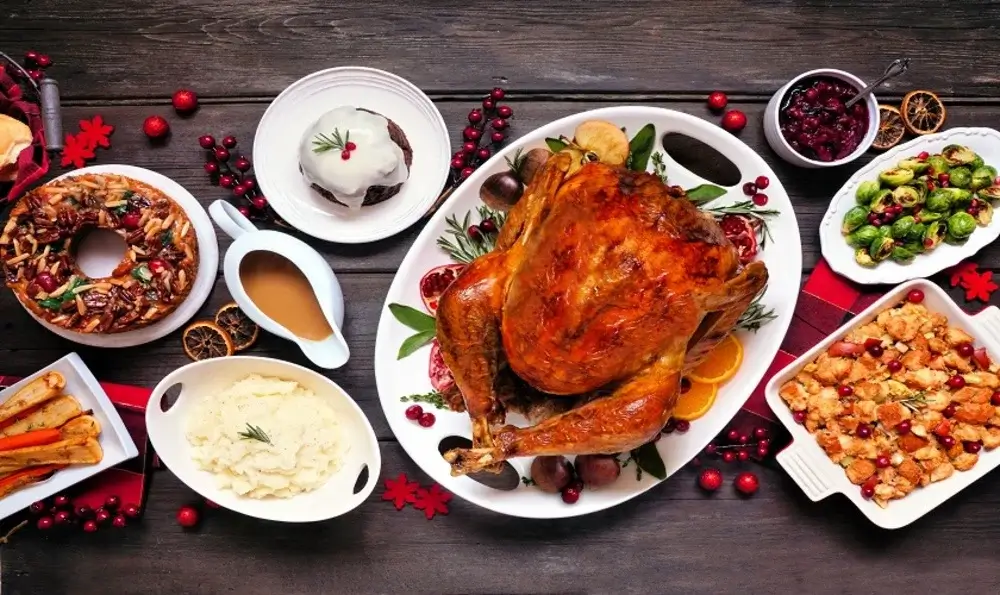
Christmas Food in Peru: Flavors That Bring People Together
Food is one of the most recognizable parts of Christmas in Peru. While certain dishes have become associated with the holiday season, there is no single Christmas menu followed throughout the country.
In many coastal cities, for example, roast turkey and different side dishes are common. Panettone and hot chocolate are also closely associated with Christmas celebrations. However, other regions incorporate ingredients and dishes connected to their own culinary traditions.
Panettone and Hot Chocolate
There is one combination that has become almost inseparable from Christmas in Peru: panettone and hot chocolate.
Panettone, despite its Italian origins, has become deeply associated with the Christmas season in Peru. It is now available in many different varieties, including versions made with Peruvian ingredients such as purple corn, quinoa, and maca.
Hot chocolate is another seasonal favorite. It can be served during Christmas gatherings, family events, or alongside panettone on Christmas Eve.
For many Peruvians, the combination is more than just a seasonal snack. It is part of the memories and family traditions associated with December.
Christmas Dinner Varies Across Peru
There is no single traditional Peruvian Christmas dinner. The country’s enormous culinary diversity makes each region’s table slightly different.
In coastal areas, roast turkey, salads, rice, and different side dishes are common. In Cusco, Christmas meals may include pork cracklings, mote, canchita serrana, and moraya. Other regions incorporate local ingredients and traditional preparations that reflect their own cultural identity.
This regional diversity makes food one of the best ways to understand how Christmas changes throughout Peru.
You might be interested in reading: Feast of Saint Rose of Lima 2026
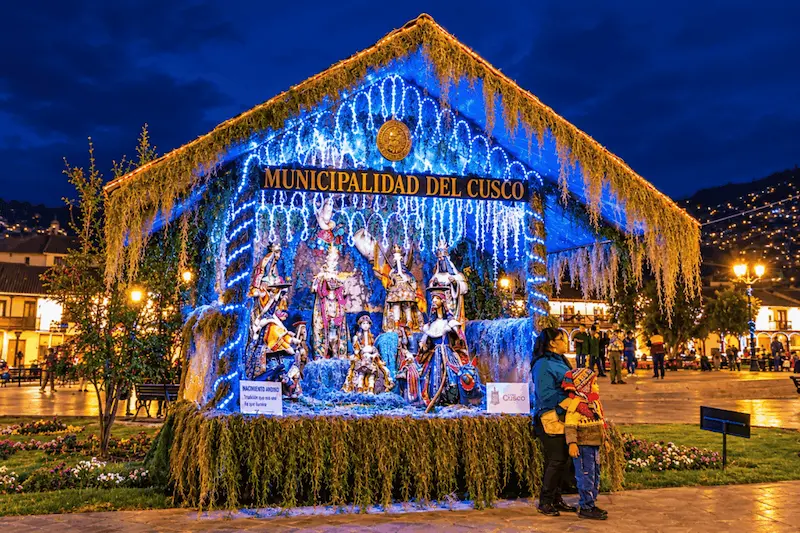
Nativity Scenes: A Christmas Tradition with Peruvian Identity
Nativity scenes, or nacimientos, are an important part of Christmas for many Peruvian families. However, they do not necessarily look the same everywhere.
Across the country, nativity scenes may incorporate local materials, landscapes, animals, clothing, and characters. A religious tradition is therefore adapted to reflect the culture and environment of each region.
Nativity Scenes That Tell Local Stories
A Peruvian nativity scene can include much more than the traditional figures of Mary, Joseph, and Baby Jesus.
Depending on the region, you may see representations of local landscapes, animals, traditional clothing, and everyday scenes. These details can turn a nativity scene into an expression of popular art and local identity.
For many families, setting up the nacimiento is also part of the Christmas preparations and can become an activity shared by several generations.
The Tradition of the Christ Child
The figure of Baby Jesus has a central place in Christmas celebrations rooted in Catholic tradition.
In different communities, the celebration may include Masses, songs, dances, processions, and other cultural expressions. These practices demonstrate how religious traditions have blended with local customs over time.
You might be interested in reading: 15 must-see markets in Peru
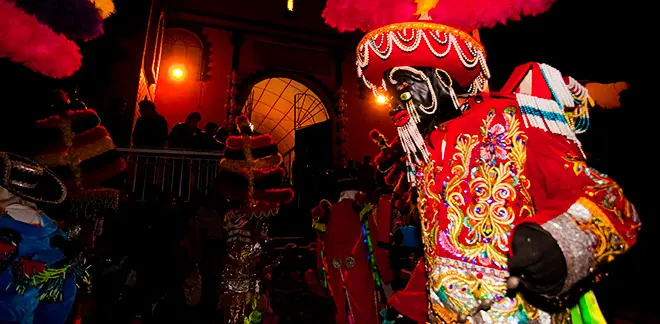
Christmas Traditions in Different Regions of Peru
One of the most fascinating aspects of Christmas in Peru is seeing how much the celebration can change from one region to another.
Peru brings together the Pacific coast, the Andes, and the Amazon, each with its own geography, history, and cultural identity. Christmas traditions naturally reflect this diversity.
Christmas in Lima and the Coast
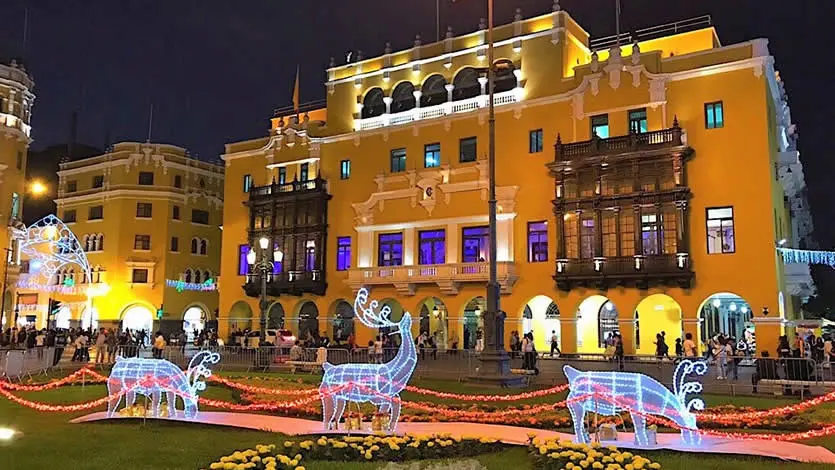
In Lima, Christmas is often centered around family gatherings, dinner, gifts, and decorations in homes, stores, and public spaces.
A typical Christmas dinner in many Lima households may include roast turkey, apple purée, Waldorf salad, Arabic-style rice, and panettone. However, there are many variations depending on each family’s traditions.
During December, commercial areas also become particularly active, with markets and shopping districts taking on a distinctly festive atmosphere.
Christmas in the Peruvian Andes
In the Andes, Christmas celebrations can have a stronger connection to community traditions.
Music, dances, fairs, nativity scenes, and religious celebrations may all form part of the holiday season. In several communities, Catholic traditions have blended with regional customs that have become part of local identity.
Cusco is a particularly interesting example, where Christmas traditions intersect with Andean culture, handicrafts, food, and religious celebrations.
Christmas in Cusco
Cusco has a particularly distinctive relationship with the Christmas season. The city and surrounding communities maintain traditions that combine religious, artistic, and cultural elements.
One of the best-known expressions is Santurantikuy, a traditional Christmas-season artisan fair held in Cusco. The event brings together artisans and visitors around the celebration of the birth of Baby Jesus.
Food also takes on regional characteristics. Christmas meals in Cusco may include Andean products and traditional dishes that are less common on the Peruvian coast.
For travelers visiting Cusco in December, this combination of history, religion, handicrafts, and local food offers another perspective on the city.
Christmas Traditions in Other Regions
The diversity does not stop with Lima and Cusco. Different parts of Peru have their own Christmas celebrations involving music, dances, food, and local traditions.
In Quinches, Yauyos, for example, the traditional Baile de las Pastoras is associated with Christmas celebrations and was declared Cultural Heritage of the Nation in 2023.
Amazonian regions also bring their own ingredients and dishes to the Christmas table. In Madre de Dios, for example, dishes such as paiche picadillo and masato may be part of holiday celebrations, while San Martín and Ucayali have their own regional preparations, including juane and tacacho con cecina.
There is, in other words, no single way to celebrate Christmas in Peru.
You might be interested in reading: 10 Things to do in Ica, Peru
Christmas Eve in Peru: What Happens on December 24?
To understand how Peruvians celebrate Christmas, it is important to look closely at Christmas Eve.
The evening of December 24 brings together many of the country’s most familiar holiday traditions. Families prepare dinner, gather at home, and wait together for midnight.
A Night for Gathering Together
For many families, dinner is the heart of the evening. Relatives gather around the table and share dishes that may have taken hours to prepare.
Conversation, music, family traditions, and anticipation are all part of the experience. For many people, simply being together is just as important as the gifts or other Christmas activities.
Welcoming Christmas at Midnight
When midnight arrives, family members often hug one another and wish each other a Merry Christmas.
In households where gift-giving is part of the tradition, this is also the moment when presents are opened.
Some families also participate in religious celebrations, particularly those who maintain the tradition of attending Christmas Mass.
You might be interested in reading: 6 Beautiful Churches in Cusco to visit
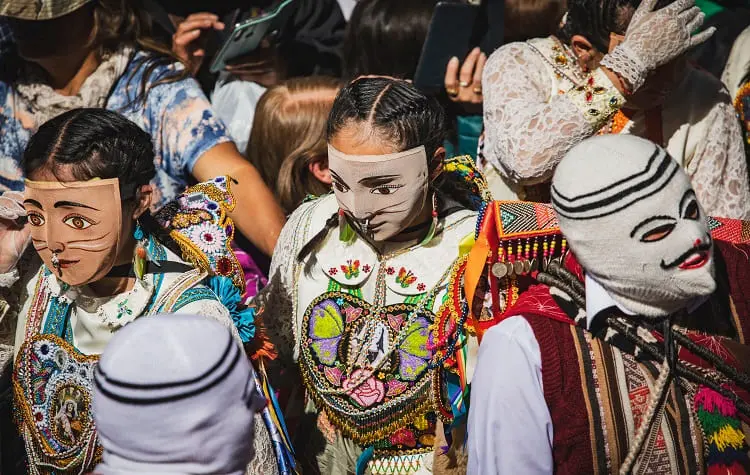
How Christmas in Peru Blends Tradition and Modern Life
One of the reasons Christmas in Peru is so interesting is that it is not a celebration frozen in the past.
Traditions continue to evolve. Classic panettone now comes in new varieties, families incorporate new customs, and celebrations can look different even between generations within the same family.
A Tradition That Continues to Evolve
Peruvian Christmas traditions preserve customs that have been part of celebrations for decades, while also incorporating new ways of gathering and celebrating.
Food is a good example. Alongside traditional panettone, modern versions made with Peruvian ingredients have become increasingly common.
The same applies to nativity scenes, decorations, and public celebrations. Each generation finds new ways to express traditions that continue to hold a strong place in family life.
Diversity Is Part of the Celebration
Perhaps the most representative feature of Christmas in Peru is that there is no single Peruvian Christmas.
A family in Lima may celebrate with turkey, panettone, and hot chocolate, while an Andean community may incorporate traditional dances and music, and a family in the Amazon may bring regional ingredients and dishes to the table.
All of these celebrations are part of Christmas in Peru, but each one reflects its own history, culture, and surroundings.
You might be interested in reading: World Folklore Day in Peru
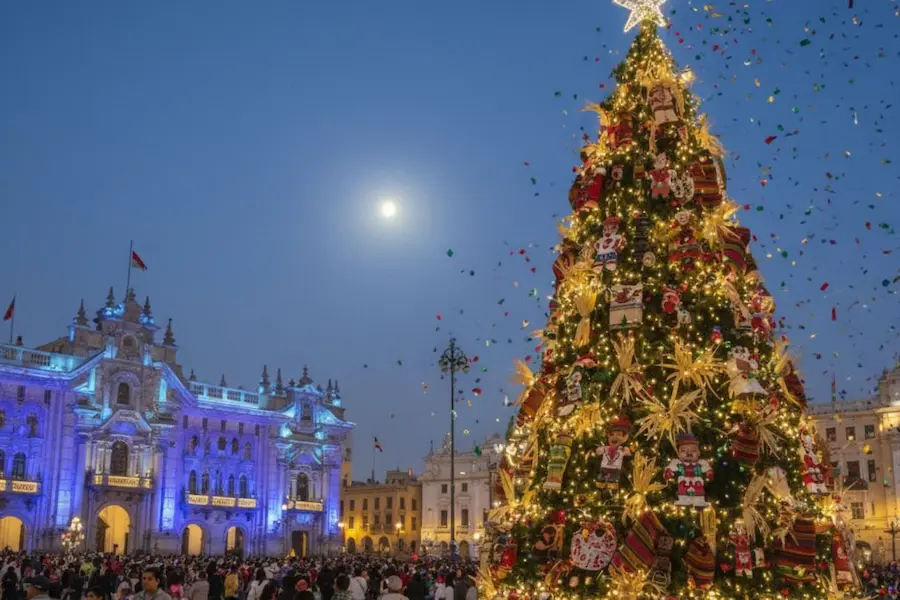
What Makes Christmas in Peru Special for Travelers?
For travelers, visiting Peru during December can provide a different perspective on the country.
Beyond archaeological sites and landscapes, the Christmas season offers opportunities to observe everyday traditions, local food, handicrafts, and cultural expressions that may not be part of a typical sightseeing itinerary.
Markets, Plazas, and Handicrafts
During December, markets and public spaces become particularly active. Christmas decorations, food, toys, handicrafts, and seasonal products fill many commercial areas.
In cities such as Cusco, handicrafts play an important role during the holiday season, creating an interesting connection between religious celebrations, local artistry, and traditional craftsmanship.
Seeing Another Side of Peru
Traveling during Christmas is not simply about seeing familiar destinations decorated for the holidays.
It can be an opportunity to see how an international celebration takes on a distinctly Peruvian character through food, music, religious traditions, handicrafts, and local customs.
For travelers interested in culture, December can therefore offer a different way to experience Peru.
Frequently Asked Questions About Christmas in Peru
How do people celebrate Christmas in Peru?
Christmas is commonly celebrated with family gatherings, a special dinner on Christmas Eve, gifts around midnight, religious traditions, music, and seasonal foods such as panettone and hot chocolate. Customs vary considerably between families and regions.
What do Peruvians eat for Christmas?
Christmas dinner varies by region. In many coastal cities, roast turkey and different side dishes are common, while other regions incorporate local ingredients and traditional dishes. Panettone and hot chocolate are also strongly associated with the Christmas season.
What is Christmas Eve called in Peru?
Christmas Eve is known as Nochebuena. It takes place on December 24 and is one of the most important moments of the Christmas celebration, particularly because of the family dinner and midnight festivities.
Is Christmas celebrated differently in Cusco?
Yes. Cusco has its own cultural expressions during the Christmas season, including traditional food, artisan activity, and local celebrations. The city’s Andean cultural heritage gives the holiday season characteristics that differ from those found in other parts of Peru.
What is Santurantikuy?
Santurantikuy is a traditional Christmas-season artisan fair in Cusco. It is associated with the celebration of the Niño Jesús and brings together artisans and visitors around religious and cultural traditions.
What is a typical Christmas dessert in Peru?
Panettone, known locally as panetón, is one of the most recognizable foods of the Christmas season. It is commonly enjoyed with hot chocolate and is now available in many Peruvian variations using local ingredients.
